Few things cause more panic than a glass of red wine spilling onto a light-colored carpet. Red wine stains are notoriously tough because the pigments and tannins in the wine quickly bond with carpet fibers. Once absorbed, the deep color sets fast, making it one of the most dreaded household spills.
Carpet fibers and dyes play a big role in how stubborn a stain becomes. Natural fibers like wool are highly absorbent, while synthetic carpets may resist slightly better but in both cases, the wine’s acidity and color compounds work their way deep into the fabric if not addressed right away.
Here’s the good news: with the right approach, most stains can be removed or at least significantly lightened. The key is acting smart and fast. Whether you rely on household cleaning tricks like salt, baking soda, and vinegar, or call in professional carpet cleaners, red wine doesn’t have to ruin your carpet forever.
The Golden Rule: Act Fast
When it comes to removing red wine stains from carpet, speed isn’t just helpful; it’s the number one factor that determines success. The longer the wine sits, the harder it becomes to lift out.
Here’s why: red wine contains natural pigments (anthocyanins) and tannins that bond with carpet fibers almost immediately. If you leave the spill unattended, oxidation kicks in, causing the stain to darken and sink deeper into the fabric. Once it sets, even powerful cleaning solutions struggle to break the bond. Enough with all the ingredient breakdown.
That’s why the first five minutes after a spill are critical. Blotting the wine quickly (never rubbing) helps absorb most of the liquid before it has time to settle. Acting right away can mean the difference between a stain that disappears with a simple cleaning trick and one that requires professional carpet cleaning.
Think of it this way: the faster you respond, the easier the cleanup and the less likely your carpet will carry a permanent reminder of “that one dinner party.”

What You’ll Need: Essential Household Items
Clean white cloths or paper towels
Use plain white cloths or paper towels for blotting; never colored towels that can transfer dye onto the carpet. Fold the cloth so you always blot with a clean surface, and rotate to a fresh section as it absorbs wine. Microfiber cloths work best because they lift liquid without spreading it.
Cold water
Cold water helps dilute and lift the wine without setting the stain. Always use cold, not hot, heat can “cook” the pigment into the carpet fibers and make the stain permanent. Keep a jug or spray bottle of cold water handy for immediate flushing.
Clear dish soap
Choose a clear, mild dish soap (no dyes or perfumes). A few drops mixed in a cup of cold water create a gentle surfactant solution that breaks surface tension and helps pull wine out of fibers. Clear soap avoids adding new colors, and it rinses out more cleanly than harsh detergents.
White vinegar (distilled)
White distilled vinegar (5% acidity) is an inexpensive, effective stain-breaker for tannins and pigments. It’s typically used diluted with water (1 part vinegar to 2–3 parts water). Always test a small hidden area first. Vinegar is okay on most synthetics, but can affect delicate natural fibers or finishes.
Baking soda
Baking soda is a mild abrasive and an excellent odor absorber. It’s useful as a drying agent (sprinkle onto a damp spot) or as a paste (mixed with water) to lift set stains. After it dries, you vacuum up the powder along with loosened pigment.
Table salt
Salt works as an immediate absorbent for fresh spills. Cover the stain generously with salt to draw liquid up and away from fibers; once it’s saturated and dry-ish, vacuum it up. Salt is especially handy in the first few minutes after a spill.
Spray bottle (optional but recommended)
A spray bottle lets you apply diluted solutions (soap, vinegar) evenly and gently, avoiding over-saturation. It’s also useful for rinse steps; a light mist of cold water helps remove soap residue without soaking the carpet.
Vacuum cleaner
You’ll need a vacuum with good suction to remove salt, baking soda, and loosened pigment after it dries. For best results, vacuum the area after any powder treatment and again after the carpet has fully dried.
Optional / Advanced items (use with caution)
- Club soda: Handy for immediate blotting, the carbonation can help lift wine. Not essential but useful in a pinch.
- 3% hydrogen peroxide (mixed): Works well on light/white carpets for stubborn stains, but it can bleach colors. Patch test first.
- Enzymatic carpet cleaner or carpet stain remover: Useful for set-in stains; follow product instructions and test first.
- Carpet extraction machine (steam cleaner): Good for large or deep stains, professional-grade extraction yields the best results.
- Soft-bristled brush or plastic scraper: For gently working in paste treatments or lifting dried residue without damaging fibers.
Step-by-Step Immediate Action Plan (Fresh Stains)
When a glass goes down, the first few minutes determine whether the spill becomes a minor clean-up or a permanent red wine stain. Move fast, keep calm, and follow these steps exactly to maximize your chances of removing red wine from carpet.
Blot, Don’t Rub
Blotting is the single most important rule for red wine stain removal it protects carpet fibers and prevents the stain from spreading.
How blotting protects carpet fibers
- Rubbing pushes wine deeper into the pile and frays fibers, which makes pigments penetrate and set.
Blotting absorbs liquid upward into the cloth, removing pigment before it bonds with the carpet.
Proper technique (do this immediately, within the first 1–5 minutes):
- Grab clean, white cloths or several paper towels. Fold the cloth so you always have a dry face to blot with.
- Press down gently on the stain; don’t scrub. Hold for a few seconds so the cloth soaks up the wine.
- Lift the cloth straight up (don’t wipe), then move to a fresh area of the cloth and repeat.
- Work from the outside of the stain toward the center to avoid spreading the wine across a larger area.
- Rotate and refold your cloth frequently so you’re always blotting with an absorbent surface.
- Continue blotting until no more wine transfers to the cloth.
Quick tip: Use a microfiber cloth if you have one; it pulls liquid well without leaving lint.
The Salt Trick
Salt is an old but effective immediate fix for fresh red wine spills because it draws liquid out of the carpet and prevents spreading.
How salt absorbs liquid and prevents spreading
- Salt crystals act like tiny sponges, sucking wine up from the carpet fibers; the crystals then trap the pigment on their surface instead of letting it sink deeper.
Step-by-step salt application (best within the first few minutes):
- While you’re blotting, pour a generous, thick layer of table salt directly onto the wet stain so every drop is covered.
- Leave the salt in place for at least 5–10 minutes for small spills; for larger spills, you can leave it until the salt appears damp and pinkish or until it has dried.
- Carefully vacuum the salt once it has absorbed the wine. The vacuuming removes salt plus some of the loosened pigment.
- Follow up with a cold water rinse or a gentle soap solution (covered in deep-cleaning steps) to remove leftover residue.
Best timing: apply salt immediately after blotting. The sooner the salt contacts the liquid, the more it can absorb and prevent the stain from setting.
Cold Water Flush
Diluting the stain with cold water helps remove remaining wine without setting the pigments, but you must do it carefully to avoid over-saturating the carpet.
When and how to dilute with cold water:
- Use cold water only and apply it gently. Hot or warm water can “cook” the tannins into the fibers and make the stain permanent.
- If the stain is small, mist cold water from a spray bottle or dab small amounts of water with a cloth. For larger spills, pour a slow, narrow stream of cold water from a cup at the edge of the stain and let it flow toward the center, then blot.
Step-by-step cold water flush technique:
- After blotting as much as possible, lightly mist or dab cold water onto the stained area. Don’t drench the carpet.
- Immediately blot again with a clean white cloth, absorbing the diluted wine.
- Repeat mist-and-blot cycles until the cloth stops picking up wine color.
- If using salt first, vacuum the salt, then do a light cold-water rinse to remove residual pigment and salt dust.
- Finish by blotting dry with absorbent towels and allowing the area to air-dry completely.
Why is hot water dangerous when removing a red wine stain from carpet
- Heat alters the chemical structure of tannins and pigments, effectively setting the stain deeper into fibers. Always use cold water for initial flushes and safe stain removal.
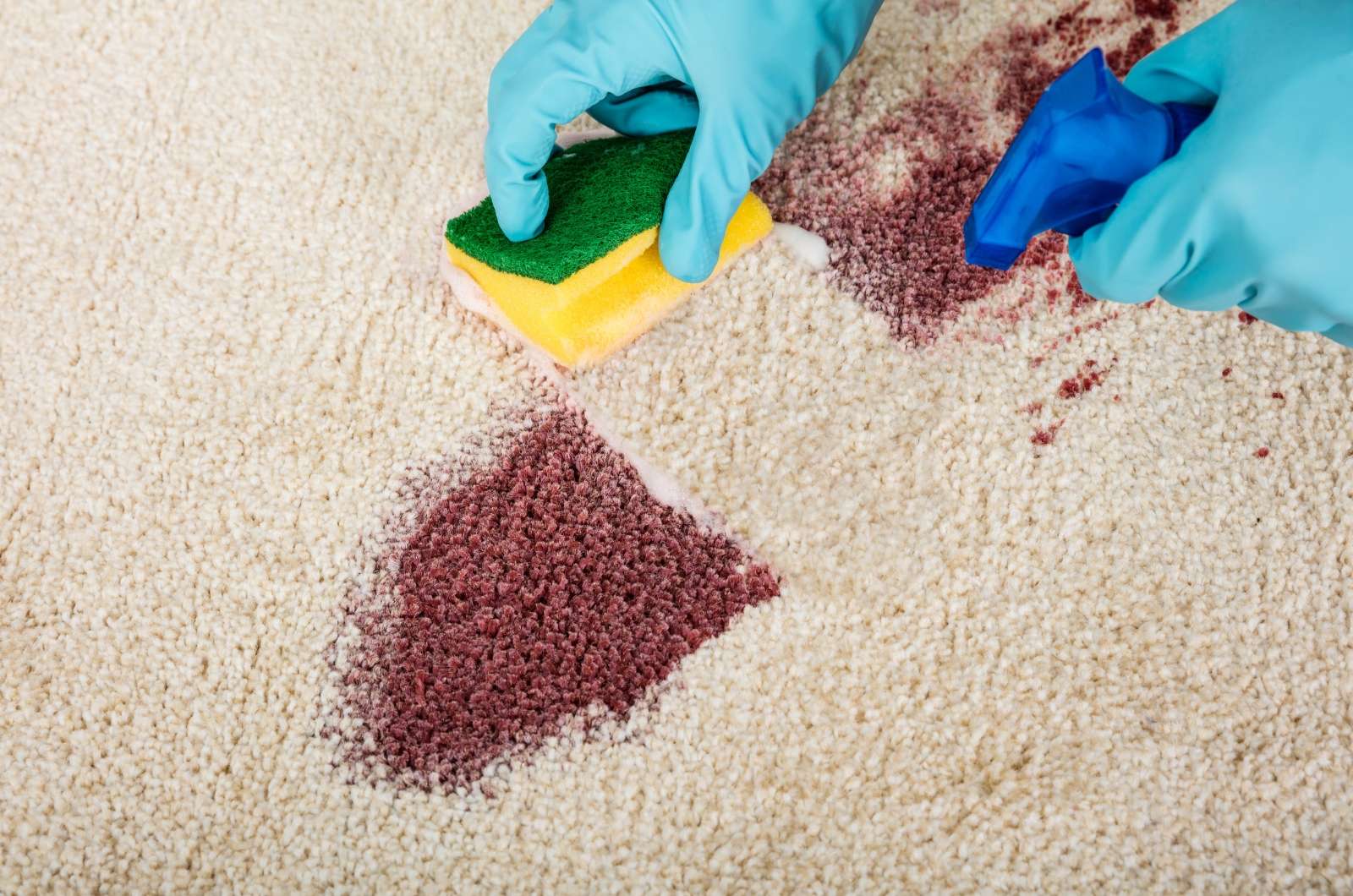
Step-by-Step Deep Cleaning Methods (For Stubborn or Dried Stains)
If you didn’t catch the red wine spill right away, don’t panic. While fresh stains are easiest to treat, stubborn or dried red wine stains can often still be lifted with the right household solutions. The key is patience and applying the right cleaning method for your carpet type and stain severity. Below are four proven DIY approaches.
Dish Soap Solution Method
One of the gentlest yet most effective methods for dried or stubborn stains is the classic dish soap and water solution. Dish soap works as a mild degreaser, breaking down wine’s sugars and tannins without harming carpet fibers.
Recipe:
- Mix 1 cup of cold water with just a few drops of clear (not colored) dish soap. Avoid strong detergents or dark-colored soaps that could leave their own stains.
How to apply and blot:
- Dip a clean white cloth into the soapy solution.
- Gently dab it onto the stained area, starting from the outside and working inward.
- As the wine begins to lift, switch to a fresh cloth to avoid re-depositing the stain.
- Continue alternating between applying the solution and blotting dry.
Rinsing and drying tips:
- After the stain fades, rinse the area with a small amount of cold water to remove soap residue.
- Blot thoroughly with dry towels until moisture is gone. Leftover soap can attract dirt and make the carpet look dingy later.
Vinegar and Water Method
White vinegar is excellent for set-in red wine stains, especially those from tannin-heavy wines like cabernet sauvignon or merlot. Its natural acidity helps break down pigments and balance the wine’s deep red color.
How vinegar works:
- Acetic acid in vinegar neutralizes wine’s dark anthocyanin pigments, making them easier to lift during blotting.
Step-by-step application:
- Mix a solution of 2 parts cold water and 1 part white vinegar in a bowl or spray bottle.
- Apply the solution directly to the stain, either by spraying lightly or dabbing with a clean cloth.
- Let it sit for 5–10 minutes to penetrate fibers.
- Blot gently with a dry cloth until the stain begins to lift.
- Rinse the area with a small amount of cold water and blot dry to remove lingering vinegar odor.
Baking Soda Paste Method
Baking soda is both a stain lifter and a natural deodorizer, making it ideal for older stains that also carry a lingering odor.
Baking soda’s role:
- Its alkaline nature loosens stain molecules while its absorbent texture pulls pigments out of carpet fibers.
Creating and applying the paste:
- Mix 3 parts baking soda with 1 part cold water until you form a thick, spreadable paste.
- Spread the paste directly over the stain, fully covering the affected area.
- Allow it to dry completely. This can take several hours or even overnight.
Drying and vacuuming steps:
- Once dry, the paste will harden and turn crusty.
- Vacuum thoroughly to remove the dried residue along with the lifted wine pigments.
- If needed, repeat the process for stubborn stains.
This method is especially good for carpets with deeper piles, where liquid cleaners don’t penetrate as well.
Combination Method (Soap + Vinegar + Baking Soda)
For truly stubborn or old red wine stains, layering methods can increase effectiveness without resorting to harsh chemicals.
Layering technique:
- Start with the dish soap solution to loosen and lift surface pigments.
- Follow with the vinegar and water solution to neutralize deeper tannins.
- Finish by applying a baking soda paste, letting it dry, and vacuuming.
When to repeat vs. when to stop:
- You can repeat this cycle once or twice if the stain continues to lighten.
- Avoid excessive scrubbing or too many wet cycles over-saturating the carpet can damage the backing or padding and cause odors.
- If the stain is still noticeable after two full attempts, it’s time to call a professional carpet cleaner to prevent long-term damage.
What NOT to Do When Cleaning Red Wine Stains
Knowing what not to do is just as important as knowing the right steps. A single wrong move can turn a manageable red wine spill into a permanent carpet scar. Here are the biggest mistakes to avoid when tackling wine stains.
Don’t rub the stain.
It’s tempting to scrub in a panic, but rubbing forces the wine deeper into the carpet fibers and spreads it over a larger area. Instead, always blot gently with a clean, absorbent cloth to lift the liquid without damaging the fibers.
Don’t use hot water.
Heat sets stains by bonding the pigments permanently to the fibers. Always stick to cold water when diluting or rinsing a red wine spill; it keeps the pigments loose and removable.
Don’t use colored cloths or paper towels.
Brightly dyed cloths can transfer color onto your carpet, making the problem worse. White, lint-free cloths or plain paper towels are the safest choice.
Don’t over-saturate with liquid.
Soaking your carpet with water, vinegar, or a soap solution can cause mold growth or damage the carpet backing. Apply cleaning solutions sparingly and always blot out excess moisture right away.
Don’t ignore manufacturer guidelines.
Some carpets, especially wool or delicate blends, have specific cleaning restrictions. Always check the care instructions or warranty details before applying DIY solutions to avoid voiding your coverage or damaging the fibers.
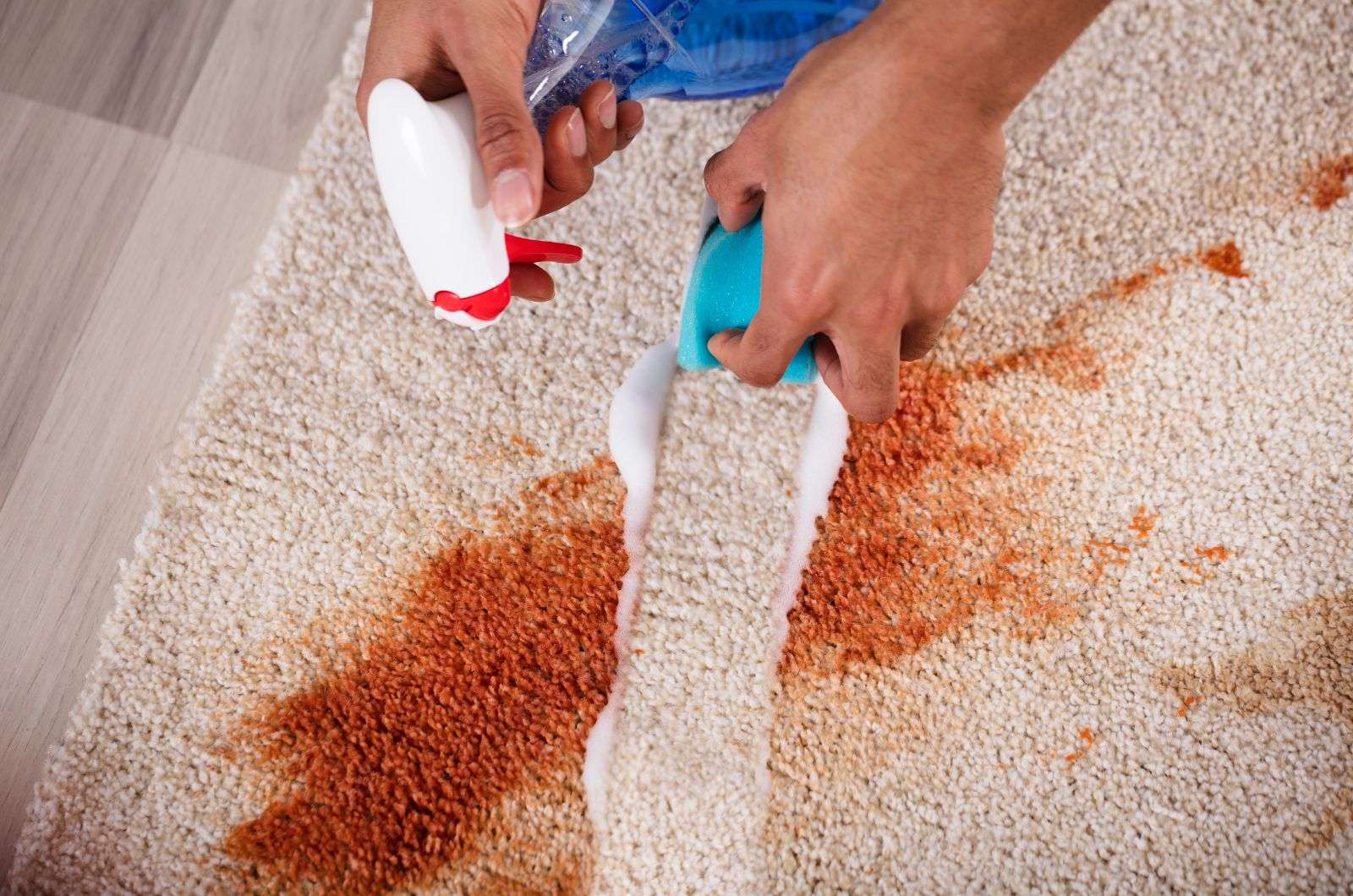
When to Call a Professional for Cleaning Red Wine Stains
DIY methods work wonders for most fresh or mild red wine stains, but sometimes a spill requires more than household solutions. Knowing when to bring in a professional carpet cleaner can save your flooring and your peace of mind.
Large spills that cover multiple carpet sections are best left to the pros. A bottle tipping over at a party or a full glass soaking into a wide area can quickly overwhelm home cleaning methods. Professionals use high-powered extraction tools that pull liquid and pigment from deep within the fibers, something blotting alone can’t achieve.
Old or deeply set stains are another scenario where expert help is worth it. Once wine pigments have oxidized and bonded with carpet fibers, DIY methods lose their effectiveness. Professional cleaners apply specialized treatments that break down stubborn tannins without damaging the material.
Delicate or expensive carpets, such as wool, silk, or Persian rugs, require professional care. These fibers react differently to moisture and cleaning agents, and one wrong move can cause discoloration, shrinking, or fiber damage. Carpet specialists have the training and eco-friendly solutions tailored for luxury and handmade rugs.
After failed DIY attempts, it’s smart to stop before making things worse. Over-saturating with water, layering multiple products, or scrubbing too aggressively can lock the stain in deeper. A professional cleaner can step in before irreversible damage occurs.
Benefits of Professional Carpet Cleaning
- Deep extraction technology that removes pigments from carpet padding as well as surface fibers.
- Safe, non-toxic products designed for both families and pets.
- Fiber protection treatments that make carpets more resistant to future spills.
- Time savings: no hours of blotting, rinsing, or waiting for carpets to dry.
Preventing Future Stains
The best way to deal with red wine stains is to stop them before they happen. Applying protective carpet sprays or fiber treatments creates a barrier that makes spills easier to clean. Keeping a simple “wine stain emergency kit” on hand with white cloths, baking soda, vinegar, and a spray bottle ensures you’re ready to act fast.
If you entertain often, a few smart hosting habits also help: serve wine in areas with rugs you can wash, choose stemless glasses for fewer tip-overs, and keep darker beverages away from delicate or light-colored carpets. Small steps like these can save you from big cleanups later.
You May Also Like: How Often Should Carpets Be Cleaned
The Bottom Line on Red Wine Stain Removal
Red wine stains might feel like a nightmare in the moment, but they don’t have to become permanent. The key is to act fast, use simple household items like baking soda, vinegar, or dish soap, and avoid common mistakes such as rubbing or pouring hot water on the spill.
For most cases, DIY methods will do the trick. But it’s equally important to recognize when to escalate to professional help, whether that’s for large spills, delicate carpets, or stains that just won’t budge. Knowing when to stop saves your carpet from lasting damage.
With the right approach, even a tough red wine spill doesn’t have to ruin your evening or your flooring. And if you’d rather leave it to the experts, our team at Clean4You specializes in professional carpet cleaning, including red wine stain removal. We use safe, effective methods to restore your carpets and help protect them from future stains. Contact us today to bring your carpet back to life hassle-free.
FAQs About Red Wine Stain Removal
This is one of the oldest tricks in the book, but it’s not the most effective. White wine may dilute red pigments slightly, but it can also leave behind sugars that attract dirt. Baking soda, vinegar, or dish soap are far safer and more reliable options.
Yes, but only for fresh stains. The carbonation in club soda can help lift pigments from the carpet fibers, while the water dilutes the wine. It’s a handy first step if you don’t have other cleaning supplies on hand, but it usually works best when followed by a vinegar or baking soda treatment.
Hydrogen peroxide can be effective for stubborn stains, but it carries a bleaching risk, especially on darker or wool carpets. If you use it, dilute it with water (about a 3:1 ratio) and always test on a hidden section first. For delicate fibers, skip this method and stick to gentler homemade cleaners.
The same principles apply: blot quickly, use cold water, and avoid rubbing. For clothing, pretreat with dish soap or vinegar before tossing it in the wash. For upholstery, stick to minimal moisture to avoid soaking the padding and follow up with a vacuum after drying.
Most natural cleaners like baking soda, vinegar, and dish soap are safe for synthetic carpets. However, wool, silk, and specialty rugs can be sensitive. Always test a small, hidden area first, and when in doubt, call a professional cleaner.
Yes, salt works like a sponge. When poured generously over a fresh spill, it absorbs the wine and prevents it from spreading. The key is speed. Apply it within the first few minutes and vacuum once dry.
If you’ve only spot-cleaned with small amounts of liquid, the area should be dry within a few hours. For deeper cleans or professional treatments, wait at least 6–8 hours to ensure the carpet is fully dry.
Red wine is full of tannins and anthocyanin pigments, both of which bind tightly to fibers. Combined with the acidic nature of wine, this makes stains set faster compared to lighter beverages.
Not always. Most small or fresh stains can be handled with DIY solutions if you act quickly. However, for large spills, old stains, or delicate carpets, professionals have the tools and knowledge to get the best results without risking damage.

Latest Blogs