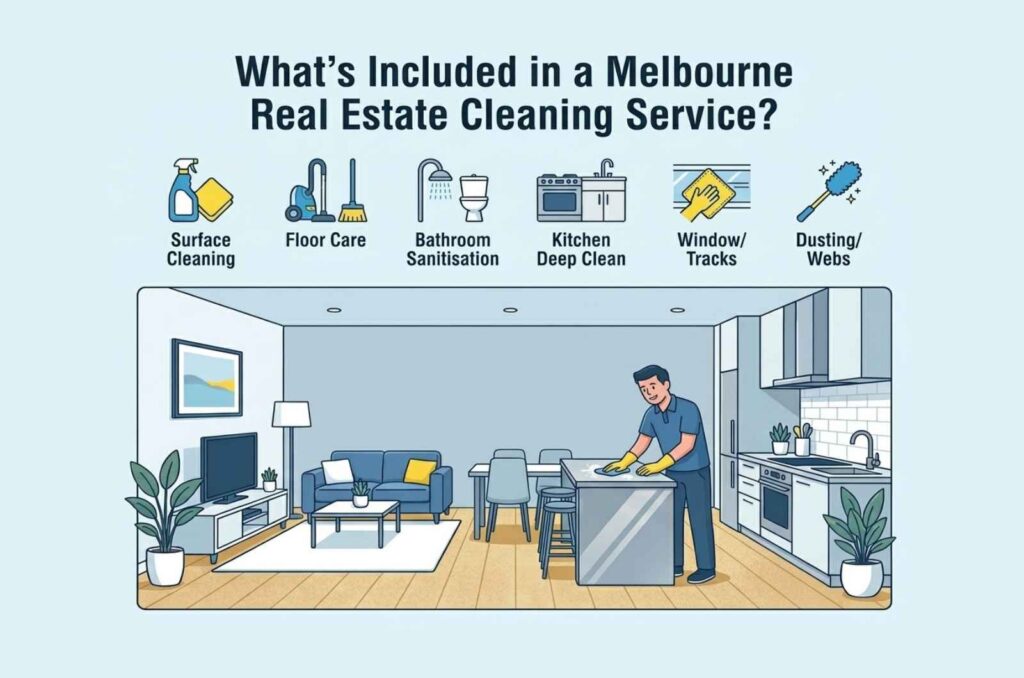
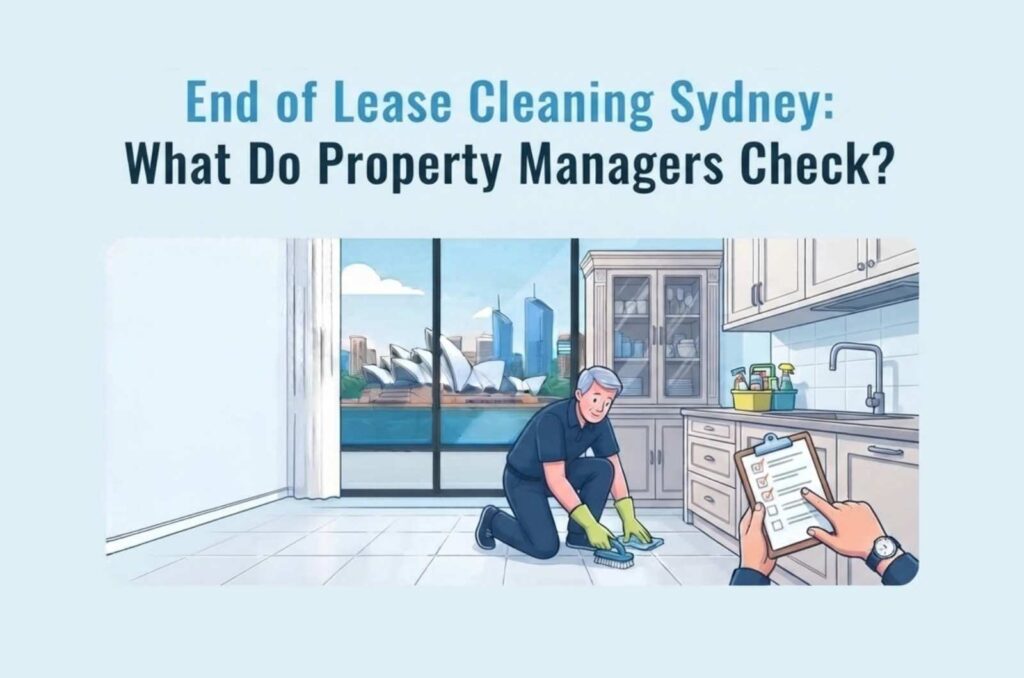
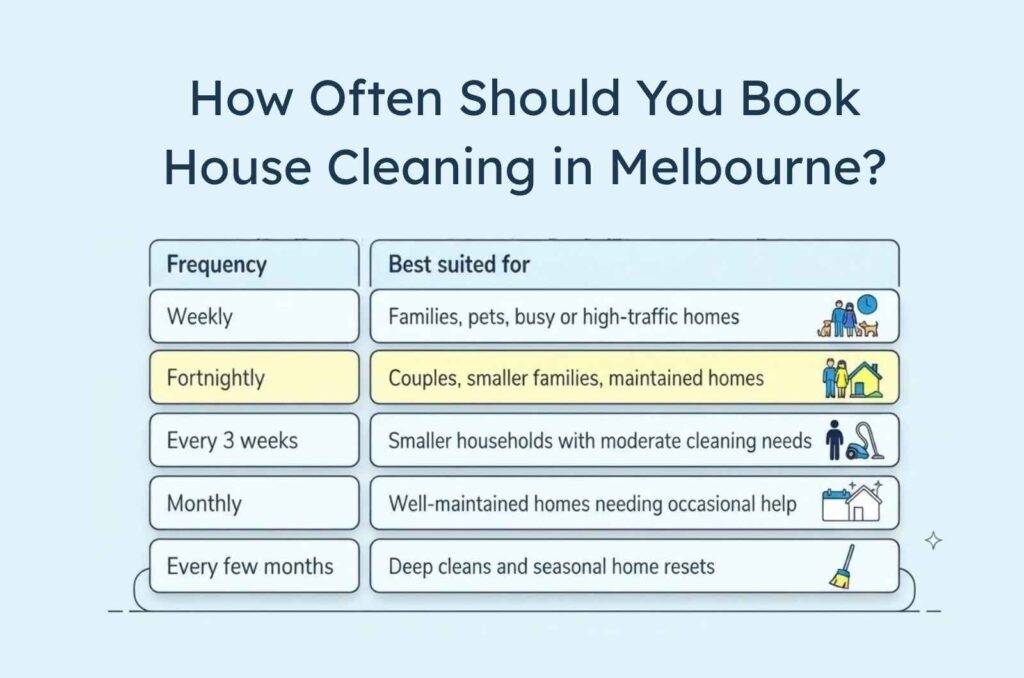
When you rent a property in Australia, leaving it clean at the end of your tenancy isn’t just polite, it's part of your legal responsibility. End of lease cleaning, sometimes called bond cleaning or vacate cleaning, is very different from your regular weekly tidy-up. It’s a deep, top-to-bottom clean designed to bring the property back to the same condition it was in when you first moved in, allowing for normal wear and tear.
The difference between standard cleaning and bond cleaning
Standard cleaning usually means vacuuming, mopping, wiping down surfaces, and keeping your home presentable. Bond cleaning, on the other hand, is far more detailed. It often includes tasks like:
- Scrubbing ovens and rangehoods until they’re grease-free
- Removing mould and limescale from bathrooms
- Steam cleaning carpets or removing stubborn stains
- Washing walls, skirting boards, blinds, and windows
It’s the type of cleaning that property managers and landlords expect during a final inspection, and missing even small details can cost you part (or all) of your bond.
Why landlords and property managers are stricter at the end of a tenancy
Property managers aren’t being fussy for no reason. Their job is to make sure the property is ready for the next tenant. If carpets are stained, ovens are greasy, or bathrooms are mouldy, the next renter may complain or refuse to move in until it’s fixed. This is why agents inspect every corner closely at the end of a lease much more carefully than they would during routine inspections.
The link between end-of-lease cleaning and bond return under Australian tenancy law
In Australia, your rental bond (the security deposit you paid at the start of your lease) is only returned if you meet all the conditions of your tenancy agreement. A big part of that is leaving the property “reasonably clean,” a standard defined under each state’s tenancy laws (for example, NSW Fair Trading, VIC Consumer Affairs, or QLD RTA guidelines). If the property doesn’t meet this standard, your landlord or agent can claim cleaning costs from your bond.
That’s why doing a thorough end-of-lease clean, or hiring a professional bond cleaning service with a bond-back guarantee, is one of the smartest moves you can make as a renter.
You May Also Like: How Clean Does a Rental Property Need to Be for Inspection
Key Rules and Regulations Renters Should Know in Australia
When it comes to end-of-lease cleaning in Australia, tenants don’t just have to satisfy their landlord’s personal standards. They must also meet the legal requirements outlined in each state or territory’s tenancy laws. Understanding these rules can save you from unnecessary disputes and protect your bond refund.
Tenant obligations under state/territory tenancy acts
Each state and territory in Australia has its own version of the Residential Tenancies Act, which sets out the rights and responsibilities of tenants and landlords. While the details vary slightly, the general expectation is the same everywhere: you must return the property in the same condition it was at the start of the tenancy, apart from fair wear and tear.
The key takeaway: you must leave the property “reasonably clean.” This doesn’t always mean “professionally cleaned” unless it’s written into your lease agreement.
What “reasonable wear and tear” actually means
This is one of the most misunderstood terms in tenancy law. In simple terms, “reasonable wear and tear” means damage or deterioration that happens over time through normal use of the property.
Examples of reasonable wear and tear:
- Carpet wear in high-traffic areas
- Faded paint or curtains from sunlight
- Minor scuff marks on the walls
- Loose hinges or worn taps from daily use
Examples of tenant damage (not covered by wear and tear):
- Red wine or pet stains on the carpet
- Broken tiles, mirrors, or blinds caused by neglect
- Mould buildup from not ventilating bathrooms
- Holes in the walls from nails or improper fittings
The law protects tenants from being charged for natural ageing of the property, but it also protects landlords from being stuck with the bill for cleaning up a tenant’s mess.
How cleaning disputes are handled by Fair Trading and tenancy tribunals
If your landlord claims part of your bond for cleaning, and you disagree, you don’t have to just accept it. Each state and territory has a tribunal or authority where disputes can be resolved:
- NSW – NSW Civil and Administrative Tribunal (NCAT)
- VIC – Victorian Civil and Administrative Tribunal (VCAT)
- QLD – Queensland Civil and Administrative Tribunal (QCAT)
- Other states/territories have similar bodies.
These tribunals look at:
- The entry condition report (photos or documentation from when you moved in)
- The exit condition report (what the property looked like at the end)
- Evidence such as cleaning receipts, photos, and inspection notes
If the tribunal finds that the property was left “reasonably clean” and only shows fair wear and tear, the landlord’s claim may be rejected. On the other hand, if the evidence shows avoidable dirt, mould, or stains, the landlord is within their rights to deduct cleaning costs from your bond.

The Ultimate End of Lease Cleaning Checklist (Room by Room)
One of the most common reasons tenants in Australia lose part of their bond is incomplete end-of-lease cleaning. Real estate agents and property managers don’t just glance around the property; they run through detailed checklists during final inspections. To help you pass with flying colours, here’s a room-by-room bond cleaning checklist covering all the high-priority areas.
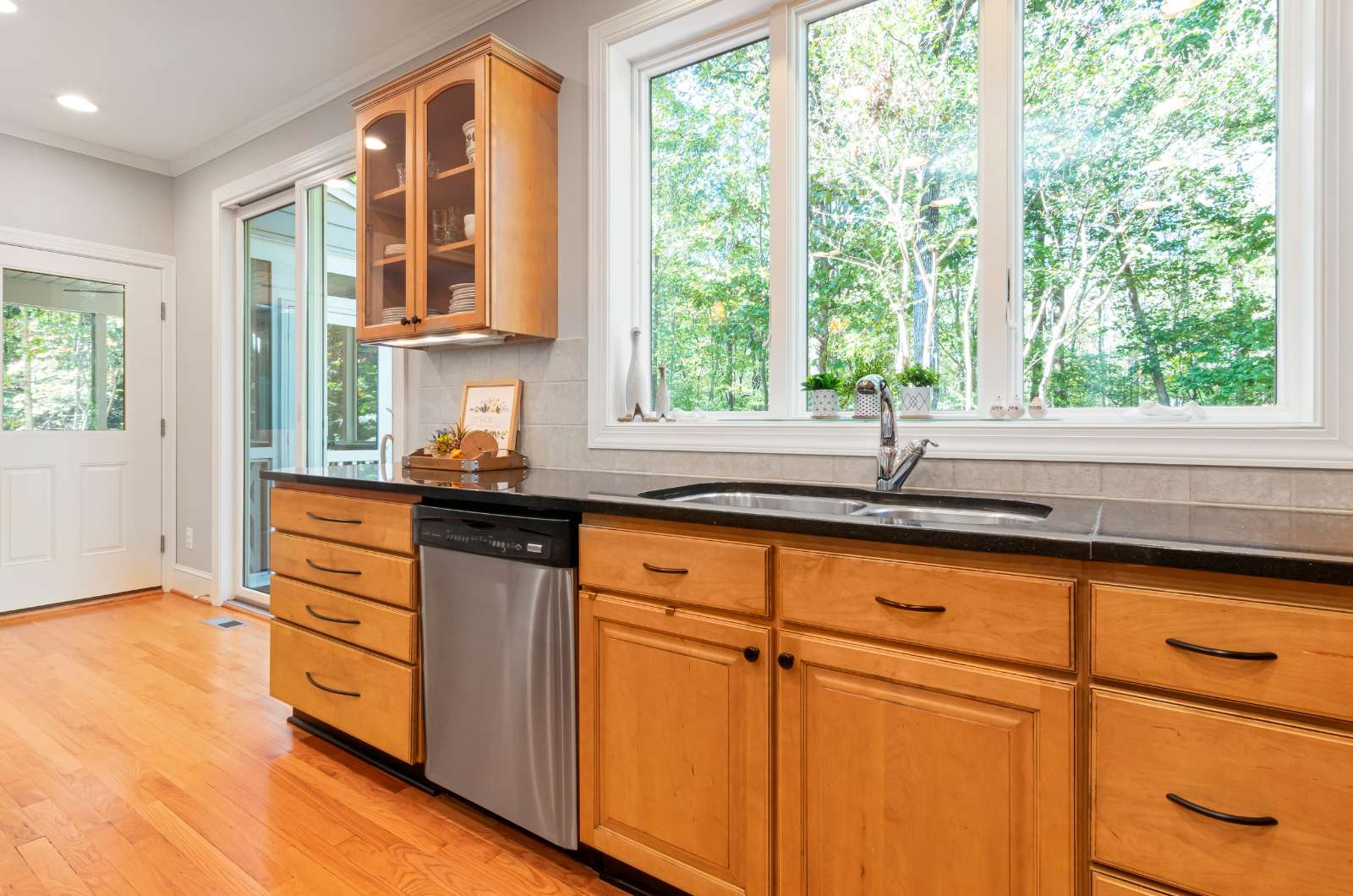
Kitchen
The kitchen is the number one area property managers scrutinise, since food residue, grease, and odours can easily build up. To avoid deductions, focus on:
- Oven: Clean oven walls, racks, trays, and doors. Remove baked-on grease with appropriate cleaners or natural DIY methods.
- Stovetop: Degrease burners, elements, and drip pans. Polish stainless steel surfaces to remove streaks.
- Rangehood & filters: Wash or replace filters. Clean the hood inside and out to remove oil build-up.
- Cupboards & drawers: Wipe inside and outside, removing crumbs, stains, and fingerprints. Don’t forget handles.
- Sink & taps: Scrub away limescale, polish taps, and clean drain holes.
- Benchtops: Disinfect surfaces, ensuring there are no stains or sticky patches.
- Floors: Sweep and mop, paying extra attention to grease-prone corners.
Pro tip: Most bond disputes in kitchens come from dirty ovens and greasy range hoods. Don’t leave these until the last minute.
Bathroom
Bathrooms are notorious for mould, limescale, and soap scum, all of which landlords treat very seriously. Your checklist should include:
- Tiles & grout: Scrub walls, floors, and grout lines to remove mould and mildew.
- Shower screens & doors: Remove water stains, streaks, and soap residue until the glass is clear.
- Toilet: Clean inside the bowl, around the base, and behind the toilet.
- Basin & taps: Polish taps and remove toothpaste or limescale build-up.
- Mirrors: Streak-free shine using glass cleaner or vinegar solution.
- Exhaust fan: Dust and wipe fan covers to ensure proper ventilation.
- Bathtubs: Remove limescale, soap scum, and stains.
Pro tip: Property managers often run a finger along grout lines and behind taps to check for hidden grime.
Carpets and Floors
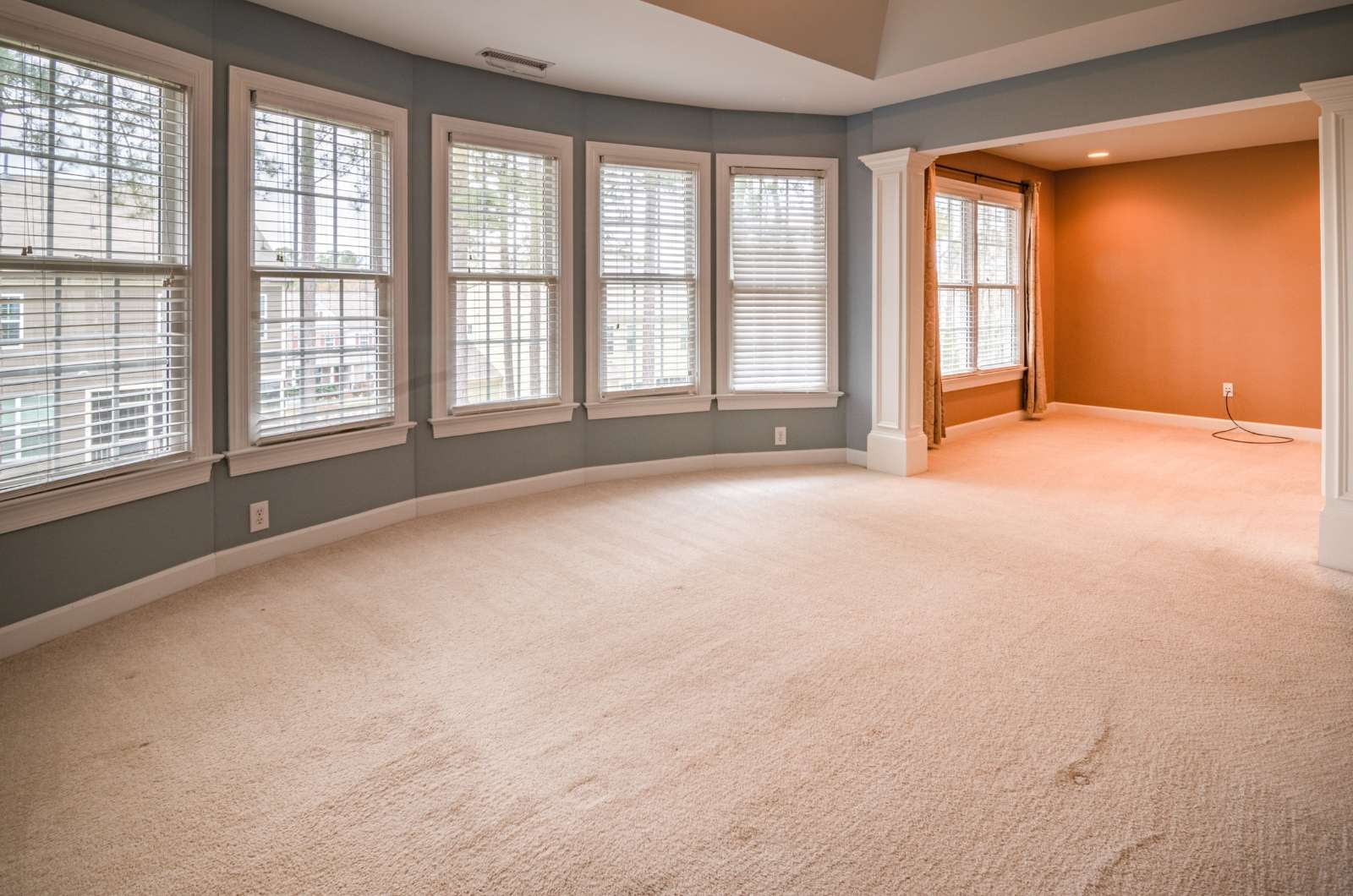
Carpets are another bond-killer area, especially if you’ve had pets or spilled liquids during your tenancy. Requirements vary by state and lease agreement, but typically:
- Vacuuming: Go over all rooms thoroughly, including edges, corners, and under furniture.
- Spot cleaning: Treat any visible stains (red wine, coffee, or pet accidents).
- Professional steam cleaning: Many Australian leases require professional carpet cleaning at the end of tenancy, especially in pet-friendly rentals. Keep the receipt as proof.
- Hard floors: Sweep and mop thoroughly. Pay attention to scuff marks on skirting boards and stains around furniture legs.
Pro tip: Check your lease; some landlords may require a pest control treatment if pets live inside.
Bedrooms and Living Areas
These spaces may seem easier, but missed details here can still cause deductions. Focus on:
- Walls: Spot clean scuff marks, fingerprints, and crayon marks (if applicable).
- Skirting boards & doors: Wipe down to remove dust and dirt.
- Blinds & curtains: Dust blinds, wash or vacuum curtains (check care labels).
- Light fixtures: Dust or wipe fittings, and remove dead insects from light covers.
- Ceilings: Check for cobwebs, dust, or water stains.
- Wardrobes & cupboards: Wipe shelves, mirrors, and sliding door tracks.
Pro tip: Agents often shine a torch along skirting boards and door frames to check for dust.

Outdoor Areas (if applicable)
If your rental includes a balcony, patio, or garden, don’t forget these spaces. Landlords will check them, especially in houses and ground-floor apartments.
- Balconies & patios: Sweep, mop, and remove cobwebs. Clean sliding door tracks.
- Garages & sheds: Sweep floors, remove oil stains, and clear out belongings.
- Bins: Empty, clean, and deodorise wheelie bins.
- Gardens: Mow lawns, trim hedges, and weed garden beds (if required by lease).
Pro tip: Outdoor neglect is a common bond deduction trigger. Even if it’s a small balcony, wipe railings and sweep floors.
High-Impact Areas That Property Managers Scrutinize
When it comes to end-of-lease cleaning in Australia, not all rooms are treated equally. Property managers and landlords focus their inspections on a few high-impact areas that make or break your bond refund: kitchens, bathrooms, and carpets. These spaces are where dirt builds up fastest, and where most tenants slip up.
Kitchens: The Grease and Grime Magnet
The kitchen is almost always the first stop in an inspection. Why? Because it’s the hardest area to keep spotless. Property managers zero in on:
- Ovens and stovetops – baked-on grease, food splatters, and smoky odors are bond killers.
- Rangehood filters – tenants often forget these, but clogged filters are an instant red flag.
- Cupboards and drawers – crumbs and sticky residues can be grounds for cleaning disputes.
Common oversight: Tenants clean the oven glass but leave behind burnt residue on oven racks or drip trays.
Bathrooms: Mould and Limescale Trouble Spots
Bathrooms are another major inspection hotspot. They show wear and tear more visibly than other rooms, and property managers know it.
- Tiles and grout – dark mould or mildew, even in corners, can trigger a bond deduction.
- Shower screens – streaks, soap scum, and water spots are usually checked under bright light.
- Toilets and sinks – limescale, stains, and grime buildup are non-negotiables.
Common oversight: Tenants clean mirrors and basins but forget to dust and wipe the exhaust fan cover.
Carpets: The Silent Bond Killer
Carpets absorb everything: dust, pet hair, spills, and odours, and are one of the most common causes of cleaning disputes. In many Australian leases, professional carpet steam cleaning is required before vacating. Property managers look for:
- Visible stains – wine, coffee, food spills.
- Pet damage – fur, odours, and lingering stains.
- General wear vs neglect – a dirty carpet often signals poor maintenance.
Common oversight: Tenants vacuum but don’t remove stubborn stains, assuming “reasonable wear and tear” will cover it. In reality, it rarely does.
Tackling Common Bond-Failing Issues
Even if you’ve cleaned every room, a few stubborn problems can still cost you your bond. Property managers know exactly where to look for these, so tackling them properly is essential. Here’s how to deal with the most common bond-failing issues in Australian rentals.
Mould and Mildew: Prevention and Removal
Mould is one of the top reasons tenants lose money at the end of a lease. It thrives in damp areas like bathroom grout, ceilings, and window sills.
- Prevention: Keep rooms well-ventilated during your tenancy. Use exhaust fans and open windows after showers.
- Removal: For light mould, mix white vinegar and water in a spray bottle, apply directly, and scrub with a stiff brush. For tougher patches, use a commercial mould remover, but test it on a small area first to avoid damage.
Tip: If the mould is due to a structural issue (like a leaking roof), that’s the landlord’s responsibility, not yours. Document it early to protect your bond.
Marks, Scuffs, and Stains on Walls
Walls can make a place look dirtier than it really is. While minor scuffs fall under reasonable wear and tear, larger stains or crayon marks usually don’t.
- Use a magic eraser or a damp cloth with mild soap to remove light scuffs.
- For stubborn stains, try a baking soda paste.
- Never repaint without approval. Mismatched paint can make the issue worse.
Tip: Always check your entry condition report. If marks were already there, make sure you have photos for proof.
Pet Hair, Odours, and Hidden Dirt
If pets live in the property, extra cleaning is almost always required. Property managers will check carpets, skirting boards, and even behind doors for signs of pets.
- Hair and dander: Vacuum thoroughly with a high-suction vacuum, including under furniture and edges of rooms.
- Odours: Sprinkle baking soda on carpets, leave for several hours, then vacuum. Use a fabric-safe deodorizer for curtains and upholstery.
- Hidden dirt: Don’t forget blinds, air vents, and light fittings; these are commonly overlooked.
Tip: Many Australian leases specifically require professional carpet cleaning and flea treatment after pets. Always check your tenancy agreement.
Documentation and the Final Walk-Through
Even if you’ve done a spotless end-of-lease clean, you need proof to protect your bond. In Australia, landlords and property managers rely heavily on documentation when disputes arise, so it’s smart to cover yourself with solid evidence and a careful walk-through.
Taking Before-and-After Photos
Photos are your strongest defence in a bond dispute. Take clear, timestamped photos:
- Before moving in, capture the property’s condition, including any stains, scratches, or marks.
- After moving out, photograph every room after you’ve cleaned it, focusing on high-risk areas like ovens, bathrooms, carpets, and walls.
Tip: Use natural light where possible, and take wide shots as well as close-ups. This helps prove you’ve left the place “reasonably clean” as required under Australian tenancy law.
Using the Property Condition Report to Your Advantage
When you first move in, you’re given an entry condition report. At the end of the lease, your landlord or property manager will compare this with the exit condition report.
- Cross-check both reports to make sure the property matches the “before” state, allowing for reasonable wear and tear.
- Highlight any pre-existing damage noted in the entry report; you shouldn’t be held responsible for these.
Attach your cleaning receipts (for carpet steam cleaning, pest control, or professional end of lease cleaning if required) to show compliance.
What to Look for During Your Final Inspection with the Agent
A final walk-through with the property manager is your last chance to address issues before bond deductions. Here’s what to keep an eye on:
- Kitchens: oven, rangehood, and cupboards (inside and out).
- Bathrooms: grout, shower screens, and exhaust fans.
- Carpets and floors: stains, pet odours, and vacuuming quality.
- Walls and skirting boards: scuffs or fingerprints.
- Outdoor spaces: bins emptied, patios swept, and gardens tidy.
Tip: Bring your phone and condition report to the inspection. If the agent points something out, you can fix it quickly or discuss whether it falls under fair wear and tear.
DIY vs Professional End of Lease Cleaning
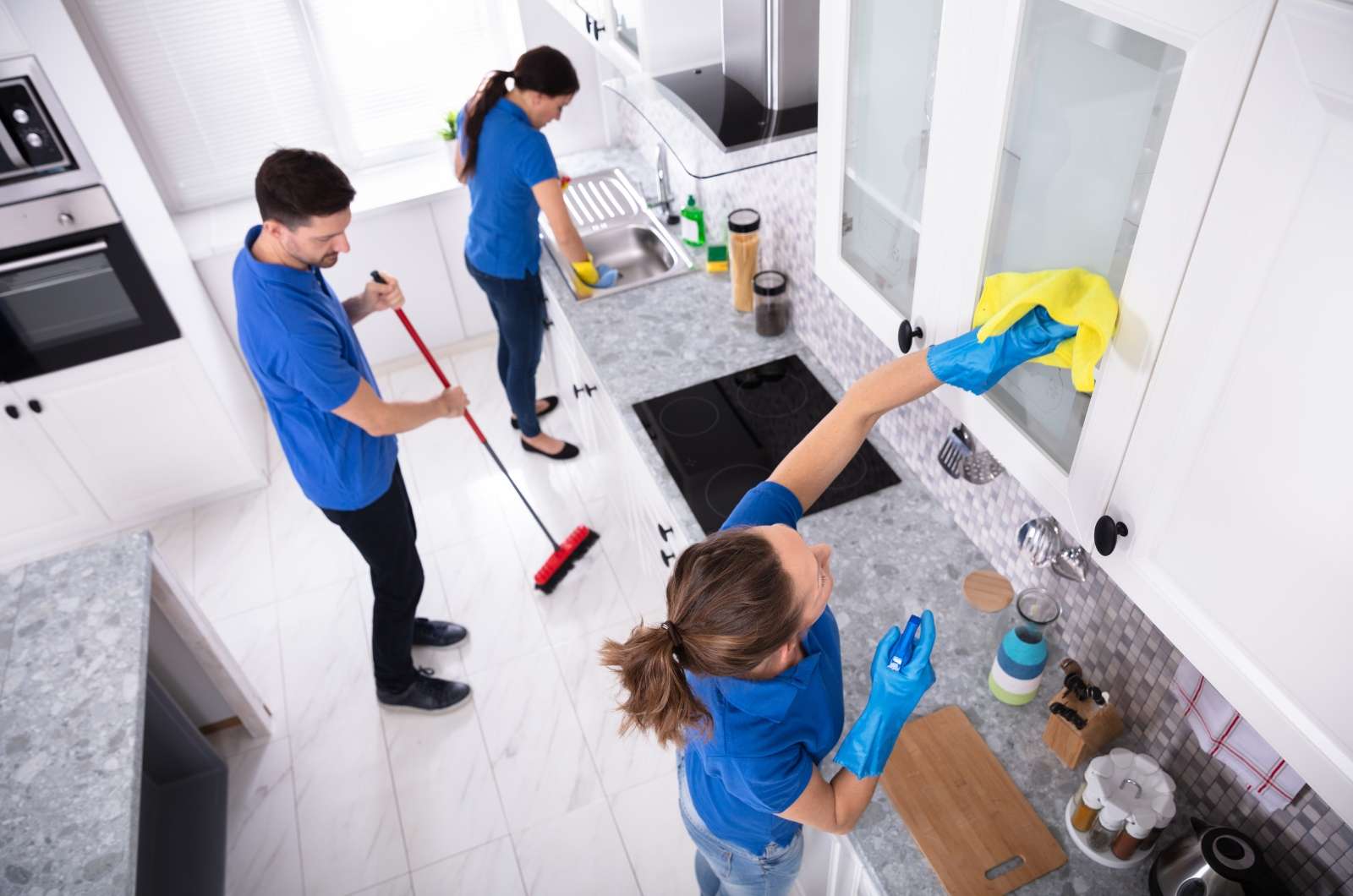
When it comes time to move out, tenants often face the question: Should I clean the property myself or hire professional bond cleaners? Both options have pros and cons, but the right choice depends on your time, budget, and confidence in meeting the landlord’s expectations.
Time, Cost, and Effort Comparison
- DIY Cleaning: On the surface, doing it yourself looks cheaper because you avoid paying for a service. However, bond cleaning isn’t the same as a regular weekend tidy-up. It can take 20–30 hours to clean a standard apartment thoroughly, especially if ovens, carpets, and bathrooms need deep scrubbing.
Professional Cleaning: The upfront cost might range from a few hundred dollars, depending on the size of the property. But cleaners bring industrial-grade equipment, eco-friendly chemicals, and the experience to finish the job in a fraction of the time.
Risks of DIY Cleaning
- Missed Spots: Tenants often overlook high-impact areas like rangehood filters, grout, or skirting boards. Agents are trained to check these details, and even a single oversight can lead to deductions.
- Failed Inspection: If the property manager isn’t satisfied, you’ll either have to clean again (under tight deadlines) or lose part of your bond.
- Hidden Costs: DIY often means buying extra cleaning supplies, hiring carpet steam cleaners, or even losing wages if you take time off work to clean.
Benefits of Hiring Professional Bond Cleaners
- Guaranteed Bond Return: Many professional cleaners in Australia offer a bond-back guarantee, meaning they’ll re-clean free of charge if the agent isn’t happy.
- Compliance with Agent Expectations: Professionals know exactly what landlords and property managers look for, and they clean to that standard.
- Proof of Service: A cleaning receipt is valuable evidence if disputes end up in a tenancy tribunal. It shows you took all reasonable steps to return the property in good condition.
- Stress-Free Moving: Hiring a cleaner frees you up to focus on packing, organising removalists, and settling into your new home.
Choosing the Right End-of-Lease Cleaning Service in Australia
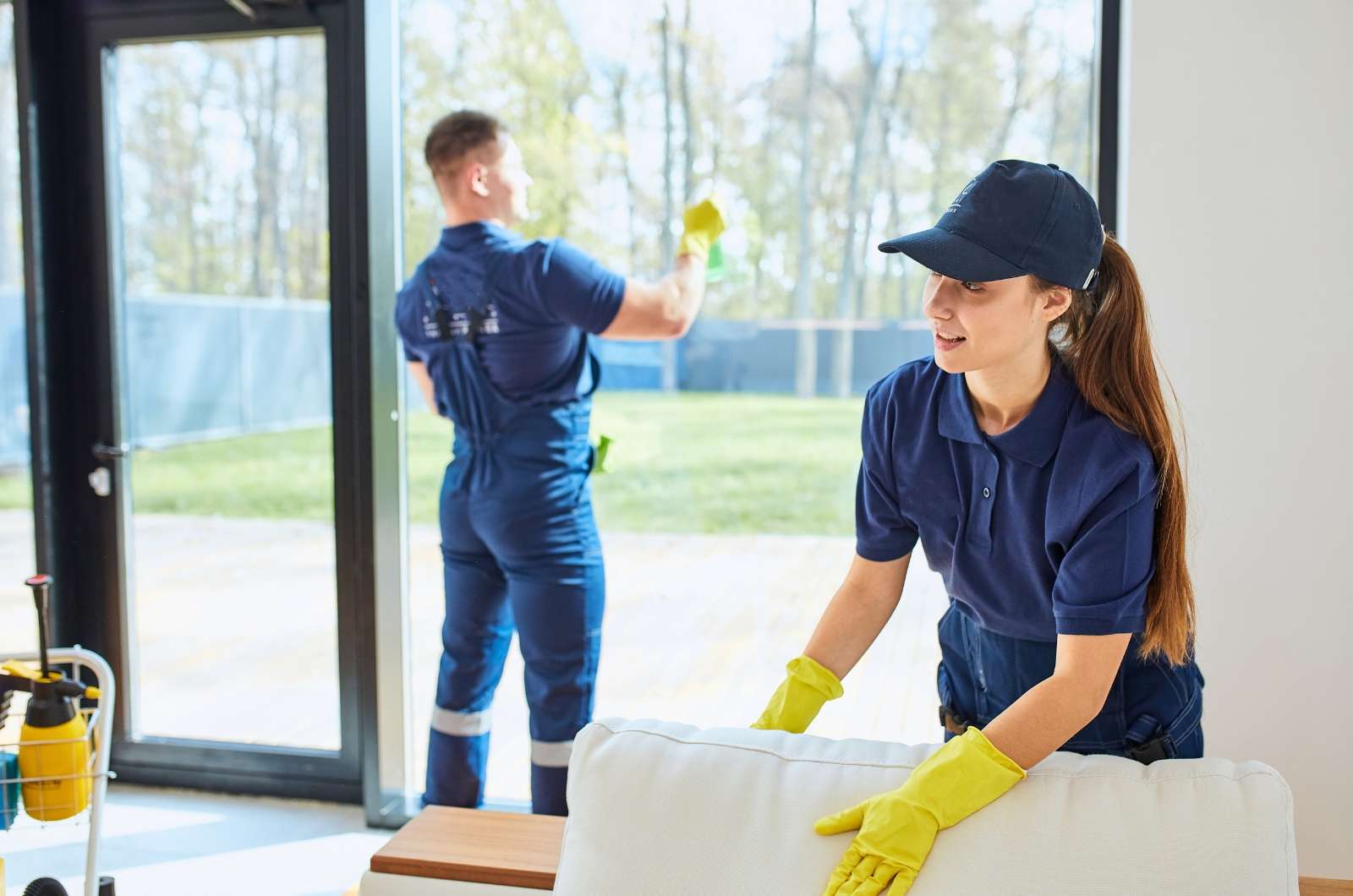
When selecting a professional end-of-lease cleaner, tenants should focus on a few key things: a bond-back guarantee, fully insured and verified teams, a strong local reputation, and flexible scheduling to fit their move-out timeline. It’s also important to ensure the service follows real estate standards, provides transparent pricing, and offers optional extras like carpet cleaning if needed.
For tenants across Australia, Clean4You ticks all these boxes. With a 100% bond-back guarantee, experienced local cleaners, and top-rated service in cities like Adelaide, Brisbane, Sydney, and Perth, Clean4You delivers inspection-ready cleaning that meets landlord expectations. From kitchens and bathrooms to carpets and living areas, their professional team ensures every corner is spotless, helping you secure your full bond with minimal stress.
Final Thoughts: Securing Your Full Bond Refund
Getting your full bond back comes down to thorough cleaning, attention to detail, and meeting landlord or property manager expectations. While DIY efforts can handle basic tasks, some areas like carpets, kitchens, and bathrooms require professional-level cleaning to ensure nothing is missed. Following a detailed checklist, combined with expert support from trusted cleaners like Clean4You, gives renters peace of mind. By planning carefully and using the right cleaning strategies, you can move out confidently, leave the property spotless, and maximise your bond return without the stress.
Frequently Asked Questions

Latest Blogs