Introduction
A clean oven isn’t just about looks; it’s about safety, hygiene, and better cooking results. When grease, burnt food, and smoke buildup are left unchecked, they can affect the taste of food, release unpleasant odours, and even become a fire hazard.
If you are looking for ways on how to clean oven, the good news is? You don’t need expensive products to keep your oven in top shape. From DIY oven cleaning hacks like using baking soda or homemade oven cleaners to calling in professionals for a deep clean, there are solutions for every need. In this guide, we’ll break down the best ways to clean an oven, what to avoid, and how to keep it sparkling with minimal effort.
Understanding Oven Cleaning
Keeping your oven clean goes beyond aesthetics; it’s essential for safety, efficiency, and food quality. Understanding why ovens get dirty, the risks of ignoring buildup, and how often to clean them will make your oven cleaning routine more effective.
Why Ovens Get Dirty
Ovens are magnets for mess. Even with careful cooking, grease, spills, and smoke accumulate over time. Common causes include:
- Grease splatters from cooking: Roasting meats or frying foods often leaves tiny droplets of oil that stick to oven walls.
- Spilled food and baked-on residue: Sauces, cheese, or sugary spills can harden during cooking, creating stubborn crusts.
- Smoke, carbon, and odour buildup: Repeated high-heat cooking releases smoke and food particles that deposit as black carbon or lingering odours.
These factors combine to make ovens dirty and harder to clean if neglected, which is why regular maintenance is key.
Risks of a Dirty Oven
A neglected oven isn’t just unpleasant to look at; it can pose real problems:
- Fire hazards: Grease and food debris can ignite, especially at high temperatures.
- Smoke and unpleasant smells: Residue can produce smoke and odours that affect your kitchen and the taste of meals.
- Reduced efficiency and uneven cooking: Layers of grime can block heat circulation, causing uneven baking or roasting.
- Impact on food taste and quality: Burnt residue can transfer flavours to your dishes, making meals taste off.
- Health concerns: Bacteria, allergens, and chemical residues can accumulate, creating a potential health risk over time.
Understanding these risks highlights why regular oven cleaning is more than just a chore; it’s about protecting your family, your food, and your appliance.
How Often Should You Clean Your Oven?
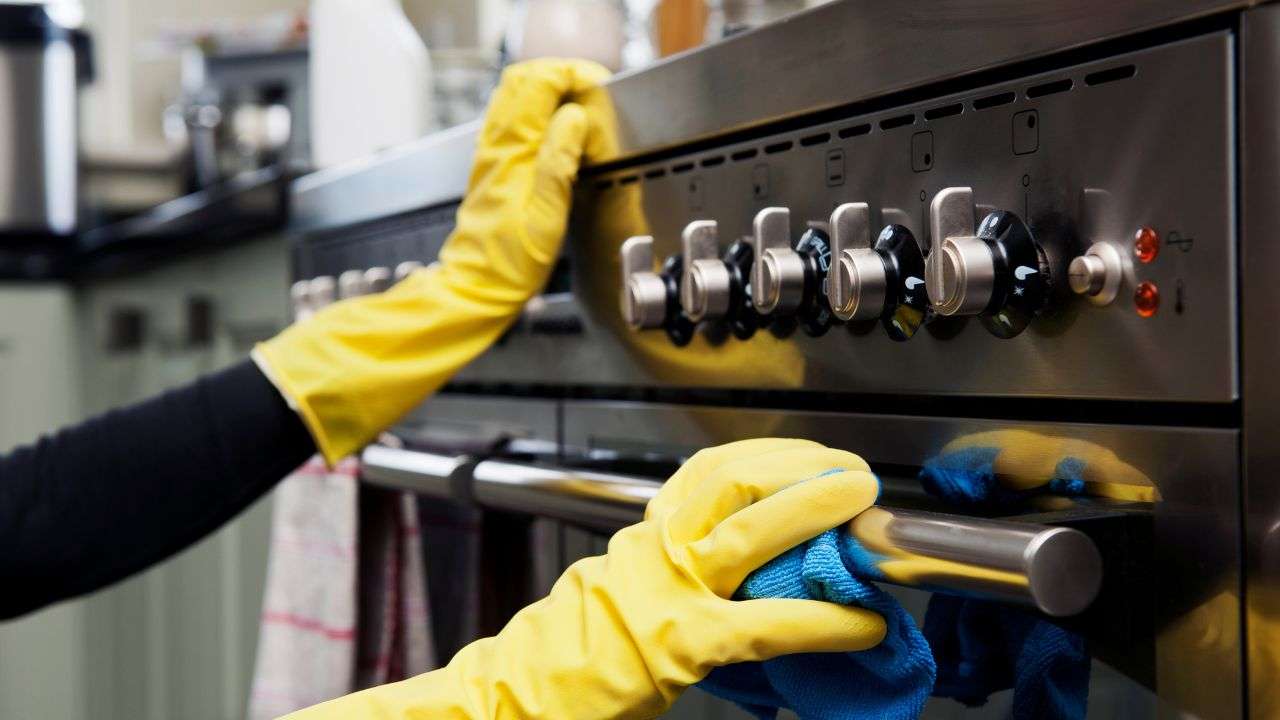
The frequency of cleaning depends on usage and oven type. General guidelines include:
- Light users: Clean every 3–6 months if you cook occasionally and spills are minimal.
- Heavy users: Clean every 4–6 weeks if you bake, roast, or use your oven daily.
- After major spills: Spot-clean immediately to prevent residue from hardening.
Signs your oven needs cleaning:
- Smoke or unusual odours when preheating or cooking
- Visible grease or carbon buildup on walls and racks
- Slow preheating or inconsistent cooking temperatures
For most households, a combination of routine touch-ups after spills and seasonal deep cleans provides the best balance, keeping your oven safe, hygienic, and efficient.
Oven Cleaning Safety Essentials
Cleaning your oven effectively is important, but safety should always come first. Proper precautions protect you from burns, chemical exposure, and potential appliance damage while making your oven cleaning process smoother.
General Safety Tips
Before starting any cleaning task, follow these essential safety steps:
- Turn off and unplug your oven (or shut off the gas supply for gas ovens)
- Allow the oven to cool completely before touching any surfaces.
- Wear gloves to protect your hands from grime and cleaning agents.
- Use protective eyewear to avoid splashes from cleaners.
- Ensure proper ventilation by opening windows or using fans.
Following these basics reduces the risk of injury and makes cleaning more efficient.
Chemical Safety
Many commercial oven cleaners are designed to dissolve baked-on grease quickly, but they often contain strong chemicals that can be harmful if misused. Direct skin contact, inhaling fumes, or accidental mixing of different products can cause burns or respiratory irritation.
Always read and follow the product instructions carefully. Wear gloves and, if needed, a mask to prevent inhaling fumes. After cleaning, thoroughly wipe down all surfaces to remove chemical residues. Safe disposal of leftover cleaner according to local guidelines is also crucial.
For a safer alternative, homemade oven cleaners using baking soda, vinegar, or lemon juice are effective for most ovens. They reduce exposure to harsh chemicals while still tackling grease, carbon buildup, and odours.
Special Precautions
Different ovens require different care. Gas ovens have exposed burners and gas lines that must be handled carefully, while electric ovens have delicate heating elements that can be damaged by excessive scrubbing or moisture.
Self-cleaning ovens are convenient but operate at extremely high temperatures. Always follow the manufacturer’s instructions for the cleaning cycle and ensure proper ventilation, as smoke and odours can be intense. Never attempt to manually clean while the self-cleaning cycle is running.
Take extra care with sensitive parts like glass doors, rubber seals, and control panels. Abrasive tools or harsh chemicals can crack glass, degrade seals, and reduce the oven’s lifespan. If unsure, consider professional oven cleaning, especially for high-end or heavily soiled ovens.
Tools and Materials for Oven Cleaning
Before you know about "How to clean oven," it's important to understand what materials you will need. Having the right supplies makes oven cleaning faster, safer, and more effective. Whether you’re going the DIY route or using a homemade cleaner, preparing your materials ahead of time ensures the process is smooth and efficient.
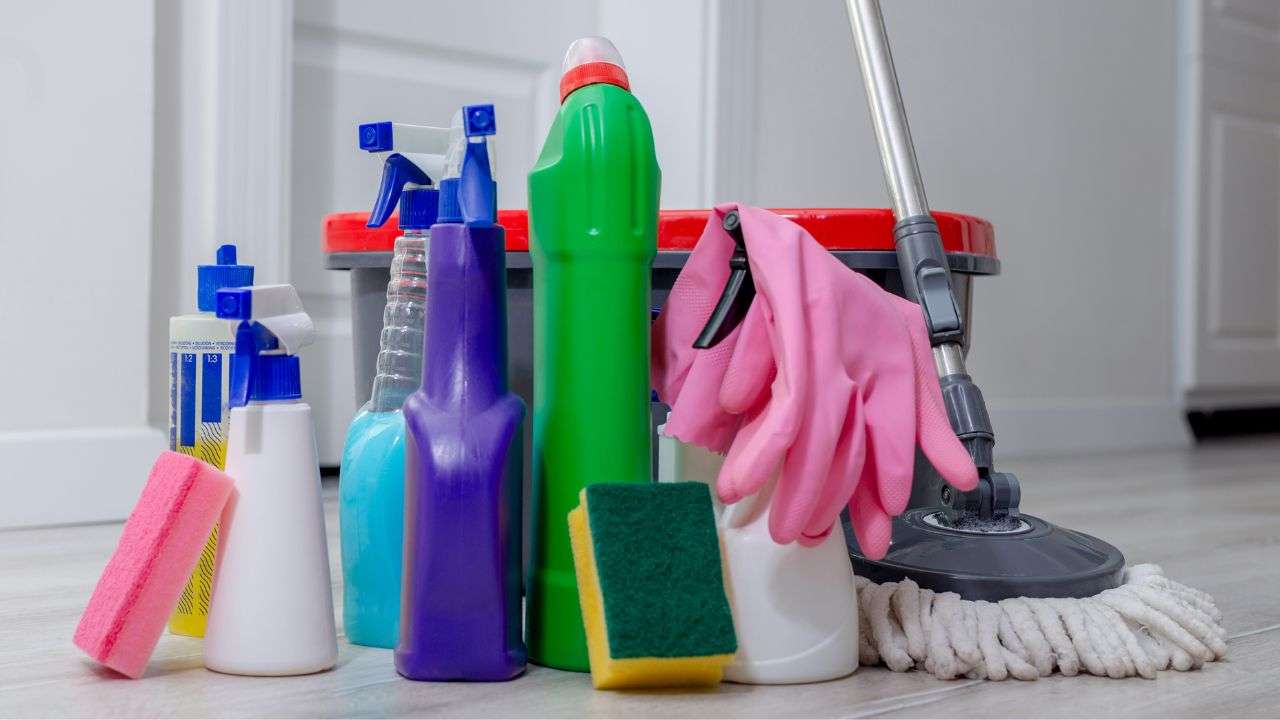
DIY Cleaning Supplies
Many people prefer natural oven cleaners because they are safe, effective, and eco-friendly. Some of the most popular DIY options include:
- Baking soda: A gentle abrasive that loosens grease and baked-on residue without scratching surfaces.
- White vinegar: Works as a natural degreaser and deodoriser when paired with baking soda.
- Lemon juice: Its acidity helps break down grime and leaves a fresh scent.
- Salt: Combined with baking soda, it can help scrub tough spots.
- Dish soap: Mild and effective for wiping away grease and sticky spills.
- Microfiber cloths and scrub pads: Perfect for wiping down surfaces without leaving scratches.
These ingredients form the basis of many homemade oven cleaner recipes and oven cleaning hacks that are safe for frequent use.
Essential Tools
Alongside your cleaning supplies, the right tools make a big difference:
- Non-abrasive sponges and scrapers: Ideal for removing stubborn residue without damaging the oven.
- Old toothbrushes: Great for cleaning corners, edges, and small crevices.
- Rubber gloves: Protect your hands from chemicals, grease, and grime.
- Protective sheets for floors and counters: Prevent drips and spills from causing additional mess.
With these supplies and tools on hand, you’ll be fully prepared to tackle both light touch-ups and deep cleaning sessions. Using the right combination of materials ensures your oven shines while minimising effort and potential damage
Step-by-Step DIY Oven Cleaning Methods
Cleaning your oven doesn’t have to be intimidating. With the right techniques and a bit of patience, you can restore your oven’s shine using safe, DIY oven cleaning methods. Here’s a detailed guide for tackling every part of your appliance.
Natural DIY Method (Baking Soda + Vinegar)
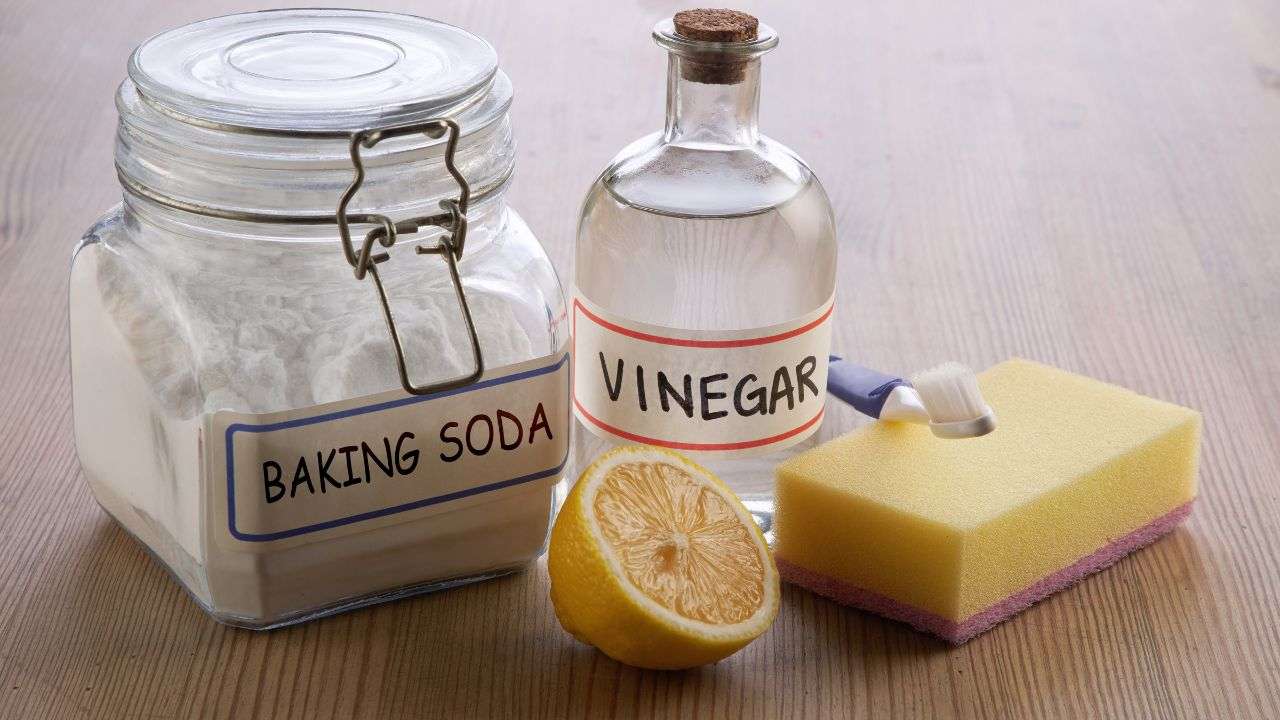
The classic baking soda and vinegar method is one of the most effective ways to clean a greasy, dirty oven naturally.
Step-by-step guide:
- Mix a thick paste of baking soda and a small amount of water.
- Spread the paste over the interior surfaces of your oven, avoiding heating elements.
- Let it sit for at least 12 hours or overnight for tough, baked-on stains.
- Spray white vinegar over the baking soda paste it will fizz, helping lift grease and grime.
- Wipe clean with a damp cloth or sponge.
Tips for stubborn stains: Scrape gently with a plastic scraper or old credit card to remove hardened residue. Repeat the paste application if necessary.
This method is safe, effective, and doubles as a natural oven cleaner, avoiding harsh chemicals.
Lemon and Steam Method
For light cleaning and deodorising, lemon and steam are a quick and refreshing option.
- Fill an oven-safe dish with water and the juice of one lemon.
- Heat the oven to 250°F (120°C) and let the water simmer for 20–30 minutes.
- The steam loosens grease while the lemon neutralises odours.
- Wipe down the interior with a microfiber cloth once cooled.
This method works best for regular maintenance and is a simple oven cleaning hack for keeping smells under control.
Soap and Water Method (Light Cleaning)
For frequent touch-ups, mild soap and water can keep your oven looking clean without effort:
- Mix warm water with a few drops of dish soap.
- Use a soft sponge or cloth to wipe all interior surfaces.
- Rinse with a damp cloth and dry to avoid streaks.
This approach is perfect for preventing buildup between deep cleans and maintaining a clean oven efficiently.
Cleaning Oven Racks Separately
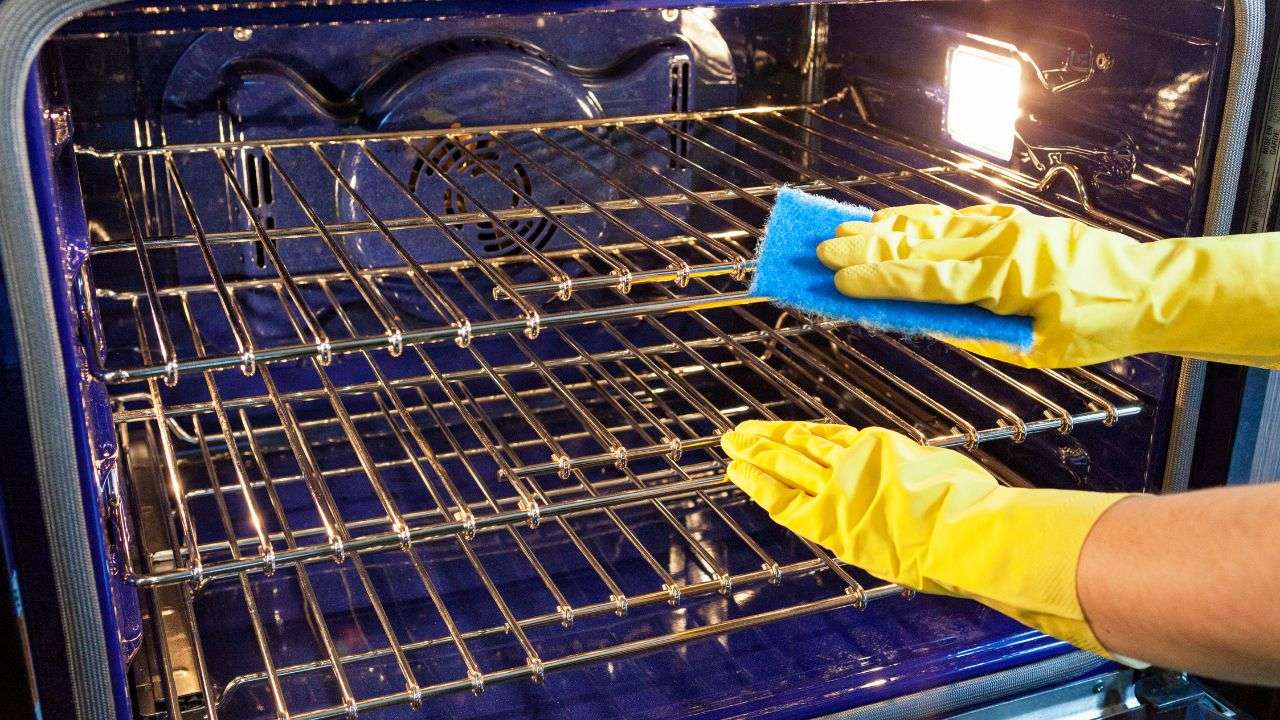
Oven racks often collect the most stubborn grime and deserve special attention.
- Soak racks in a bathtub or large sink filled with warm water, baking soda, and vinegar for several hours.
- Use a sponge or non-abrasive brush to scrub away remaining grease.
- For heavy-duty cleaning, commercial rack cleaning bags can save time.
Always avoid steel wool or harsh abrasives, as these can scratch the finish.
Glass Door Cleaning
The oven glass door is prone to streaks and baked-on splatters, so it needs careful handling:
- Make a paste of baking soda and water and apply it to the glass. Let it sit for 15–20 minutes.
- Gently scrub with a soft cloth or sponge, then wipe clean.
- For extremely stubborn spots, a razor blade scraper can be used cautiously, holding it at a low angle to prevent scratches.
- Always finish by wiping the glass with a damp cloth to remove residue and prevent permanent stains.
What NOT to Do When Cleaning Your Oven
Knowing what to avoid is just as important as knowing how to clean your oven. Mistakes can lead to damage, safety risks, or even reduce your appliance’s lifespan. Here’s what to steer clear of:
- Don’t use harsh abrasives: Steel wool, wire brushes, or metal scouring pads may seem effective, but they can scratch oven surfaces, damage enamel, and ruin coatings. Stick to non-abrasive sponges, soft brushes, or microfiber cloths instead.
- Don’t clean a hot oven: Attempting to scrub while the oven is hot increases the risk of burns and can cause cleaning products to react dangerously. Always wait until the oven has completely cooled.
- Don’t leave chemical residue: Many commercial oven cleaners contain strong chemicals. Failing to wipe them off properly can release fumes the next time you cook, affecting food safety and potentially causing respiratory irritation.
- Don’t spray directly on heating elements: Exposing heating elements to liquids or sprays can cause electrical damage or short circuits. Instead, focus on the oven walls, racks, and door, and carefully avoid the elements.
- Don’t ignore the manufacturer’s instructions: Every oven is different. Self-cleaning ovens, gas models, and high-end appliances may have specific cleaning requirements. Ignoring these can void warranties or damage sensitive parts like glass doors, seals, and control panels.
🧽 Cleaning your oven for a bond refund? Read our End of Lease Cleaning Mistakes guide.
Professional Oven Cleaning Solutions
While DIY methods work well for routine maintenance, some ovens require the expertise and equipment that only professional cleaners can provide. Professional oven cleaning services ensure a deep, thorough clean while saving you time and protecting your appliance.
When to Call a Professional
There are several situations where hiring a professional makes sense:
- Deep grease buildup you can’t remove: Over time, baked-on grease and carbon deposits can become extremely stubborn, especially in older ovens. Professionals have specialised tools and cleaning agents to tackle even the toughest grime.
- Safety concerns with gas ovens: Gas ovens involve burners, gas lines, and pilot lights that can be dangerous to clean without proper knowledge and precautions. Professionals ensure cleaning is done safely.
- Annual deep clean for heavy-use kitchens: Homes that cook frequently or commercial kitchens benefit from a yearly professional deep clean to maintain efficiency and hygiene.
- Time-saving for busy households: Oven cleaning is labour-intensive. Hiring a professional frees up time while ensuring your oven is thoroughly sanitised.
What Professionals Do Differently
Professional cleaners have access to techniques and tools that go beyond the typical DIY approach:
- Specialised, industrial-grade tools: These allow them to remove even the toughest carbon buildup and grease without damaging the oven.
- Non-toxic, eco-friendly cleaners: Many services use safe, biodegradable products that minimise chemical exposure while still delivering excellent results.
- Full disassembly: Professionals can remove doors, racks, panels, and trays for deep cleaning in areas DIY methods often miss.
- Faster, more thorough results: With experience and proper equipment, professionals can clean an entire oven in a fraction of the time it would take at home.
These advantages make professional cleaning especially valuable for heavily used or delicate ovens, ensuring both safety and longevity.
Cost of Professional Oven Cleaning
The cost of professional oven cleaning varies depending on several factors:
- Average pricing range: Most residential oven cleanings range from $80 to $200, depending on size and condition.
- Factors affecting cost: Larger ovens, extremely dirty interiors, gas models, or high-end appliances may increase the price.
- Value vs DIY: While DIY cleaning is cheaper, professional cleaning guarantees a deeper, safer, and faster result. For homeowners with busy schedules or heavily soiled ovens, the convenience and thoroughness can outweigh the cost.
Professional cleaning is an investment in safety, hygiene, and the lifespan of your oven, making it a smart option for many households
Maintenance Tips to Keep Your Oven Cleaner Longer
Maintaining a clean oven is easier with simple habits that prevent buildup and reduce the need for intensive scrubbing. Here are the most effective tips:
- Wipe spills immediately after cooking: Grease and sauces become baked-on residue if left, so a quick wipe with a damp cloth while slightly warm saves time later.
- Use oven liners carefully: Heat-safe liners catch drips and crumbs, minimising mess. Make sure they don’t block vents or touch heating elements, and always follow manufacturer recommendations.
- Cover dishes with lids or foil: Containing splatters during cooking prevents grease and food residue from sticking to oven surfaces.
- Stick to a regular cleaning schedule: Combine frequent light cleans (wiping racks, walls, and doors) with periodic deep cleans using baking soda, vinegar, or other safe cleaners.
- Deodorise naturally: Place a small dish of baking soda in a cool oven to absorb odours, or heat lemon juice in water to create steam that freshens the oven interior.
By incorporating these habits, you can keep your oven cleaner longer, making deep cleans easier and ensuring your appliance stays efficient, safe, and odour-free.
👉🏻 You may also like: How to Clean a Range Hood Filter
Wrap-Up: DIY and Professional Oven Cleaning Tips
Keeping your oven clean is about more than just appearances; it’s essential for hygiene, safety, and cooking efficiency. Regular maintenance prevents grease buildup, smoke, and odours, ensures even cooking, and protects your health from harmful bacteria or allergens.
When it comes to oven cleaning, you have options. DIY methods using baking soda, vinegar, lemon, or other natural cleaners are effective for routine maintenance and light buildup. For deeply soiled ovens, gas models, or busy households, professional cleaning provides a faster, safer, and more thorough solution.
A clean oven doesn’t just improve food taste and safety; it prolongs your appliance’s lifespan and keeps your kitchen more enjoyable to use. For households seeking convenience and expert care, consider our professional services at Clean4You. We specialise in oven cleaning and offer a range of other residential and commercial cleaning solutions to keep your home sparkling.
Invest in your oven today, and enjoy safer cooking, fresher meals, and a spotless kitchen.
Frequently Asked Questions
Yes, self-cleaning ovens are designed to handle frequent cycles. However, using it too often can stress the oven’s components and produce smoke or odours. For regular maintenance, combine self-cleaning with light DIY cleaning for best results.
Yes, if liners touch heating elements or block vents, they can warp, melt, or even cause a fire hazard. Always use heat-safe liners approved by your oven manufacturer and place them only on the oven floor or designated tray area.
After a deep clean, allow your oven to dry completely, usually 30–60 minutes for natural or DIY cleaners. For chemical cleaners, follow the manufacturer’s instructions and ensure all residues are wiped away before cooking.
Natural cleaners like baking soda, vinegar, and lemon are highly effective for routine cleaning and moderate buildup. However, for very heavy grease, carbon deposits, or commercial ovens, chemical cleaners or professional services may deliver faster, deeper results.
Most professional cleaning services now use eco-friendly, non-toxic cleaners that are safe for your home while still removing tough grease and grime. Always ask the provider about the products they use if chemical sensitivity is a concern.
For light users, a deep clean every 3–6 months is usually sufficient. Heavy users or those cooking frequently should clean every 4–6 weeks, plus spot-clean spills immediately. Seasonal deep cleans help maintain hygiene and efficiency.
Yes, but only with extreme caution. Hold the blade at a very low angle and avoid applying excessive pressure. Always use a clean blade and finish by wiping the glass with a damp cloth to prevent scratches or permanent marks.
For beginners, a simple baking soda paste combined with vinegar works effectively. Apply, let sit overnight, spray with vinegar, then wipe clean. For very light maintenance, the steam and lemon method is quick and requires minimal effort.
Absolutely. A clean oven heats evenly, reduces smoke, prevents odour transfer, and helps food cook properly. Regular maintenance keeps your appliance efficient and extends its lifespan.

Latest Blogs