You have just finished a painting or renovation project, and everything looks perfect except for a few stubborn paint splatters on your tiles. Whether it is a minor drip on the floor or a streak on your backsplash, it can be very frustrating. The good news is that removing paint from tiles is entirely possible if you follow the right methods and take a careful approach.
In this guide, we will go through the most effective ways to remove paint from tiles and grout safely. You will also learn helpful tips for when to tackle the problem yourself and when it is better to bring in professional help. If your tiles are covered in more than just paint, such as dust, plaster, or debris from recent construction, you will see how a professional builder’s cleaning service can save time and ensure the job is done properly.
Step 1: Identify the Type of Paint
Before starting, it is important to understand what type of paint is on your tiles. Different paints require different approaches. Water-based paints such as latex or acrylic are generally easier to remove and respond well to warm water, soap, or natural cleaning solutions. Oil-based paints are more stubborn and may require stronger solvents or commercial paint removers. Knowing the type of paint will guide you in choosing the most effective removal method and prevent accidental damage to your tiles.
Testing a small, hidden area before attempting a full removal is always a good precaution to ensure the method will not affect the tile finish.
Step 2: Begin with Soap and Gentle Scraping
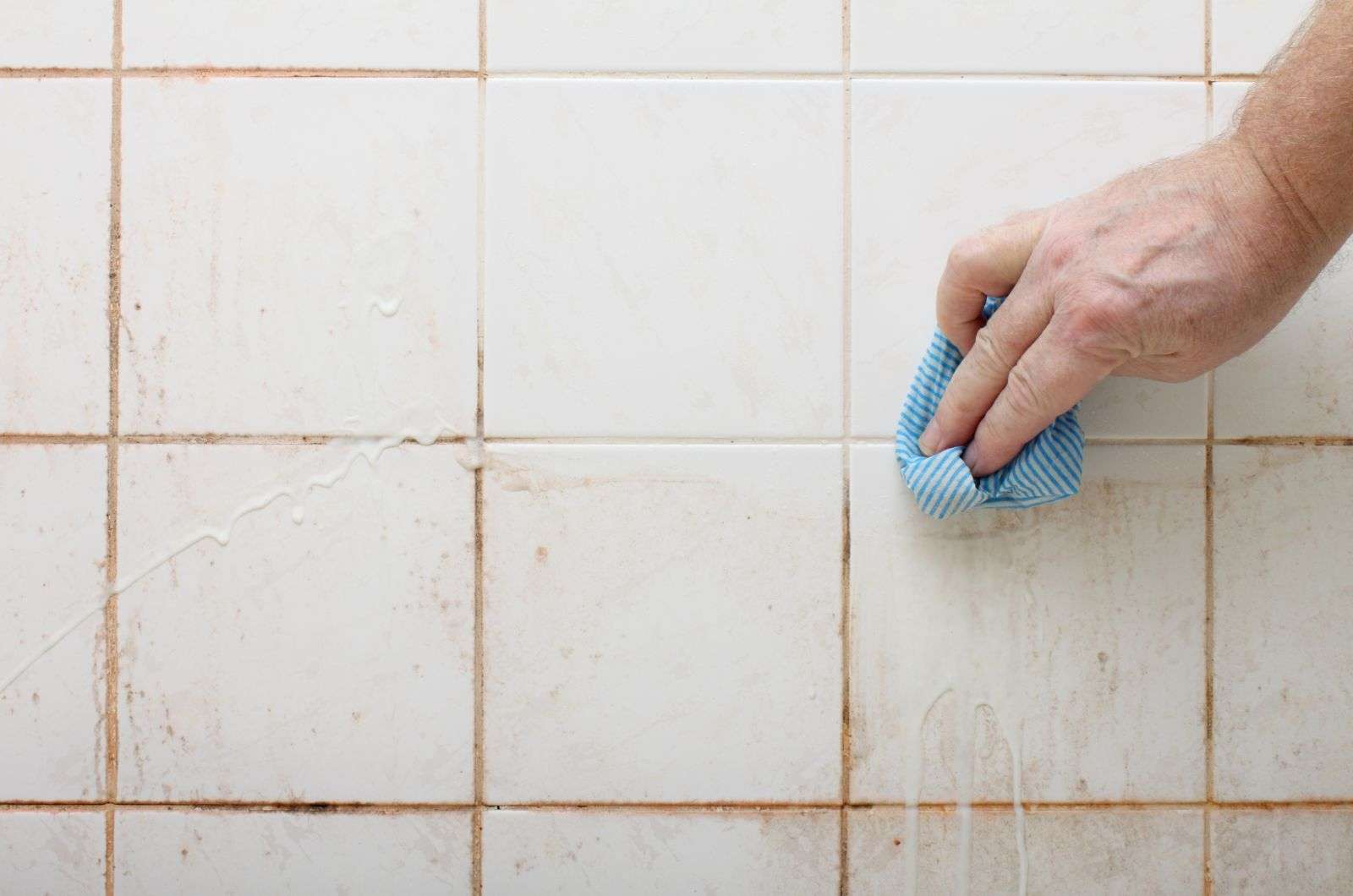
For fresh or slightly dried paint, harsh chemicals are not necessary. A combination of warm soapy water and a gentle scraper is often sufficient to lift paint without damaging the tiles. Mix warm water with a few drops of dish soap and apply it to the paint stain using a sponge or cloth. Then gently use a plastic scraper to lift the paint.
Avoid metal tools on glossy or delicate tiles as they can cause scratches. For extra protection, wrap a plastic scraper with a soft cloth to prevent any accidental damage to the surface.
Step 3: Use Heat to Soften Stubborn Paint
If scraping alone does not work, heat can be used to soften dried paint. A hair dryer or heat gun works well for this purpose and makes paint easier to remove without applying excessive force that could harm the tiles. Hold the heat source a few inches from the surface and heat the paint for 10 to 15 seconds. Once the paint softens, scrape it gently with a plastic tool and wipe the area with a damp cloth.
It is important not to overheat the tile, especially ceramic or vinyl tiles, as this can cause cracking or discoloration. Applying heat in small, controlled amounts ensures safety and efficiency.

Step 4: Using Paint Removers for More Stubborn Layers
For older or thicker paint, a commercial paint remover designed for tile surfaces can be highly effective. Apply a thin layer of paint remover using a brush or cloth and allow it to sit for 10 to 15 minutes to soften the paint. After this period, gently scrape the paint using a plastic tool. Finally, clean the area with a damp cloth and a mild soap solution.
Eco-friendly citrus-based gel removers are a great alternative for those who prefer less harsh chemicals. These products cling to the paint, making it easier to remove, and are especially effective on vertical surfaces such as tiled walls.
Step 5: Household Alternatives for Paint Removal
If commercial paint removers are not available, certain household items can provide effective solutions. Warm white vinegar works particularly well on water-based paints. Slightly heat the vinegar and apply it to the paint before scrubbing. Nail polish remover containing acetone can be used for small oil-based paint spots, but it should be applied carefully and rinsed promptly. Rubbing alcohol is another option for lighter paint stains. Apply with a soft cloth and scrub gently.
It is important to test any household solution on a small, hidden section first to ensure it does not damage the tile finish or glaze.
Step 6: Removing Paint from Grout
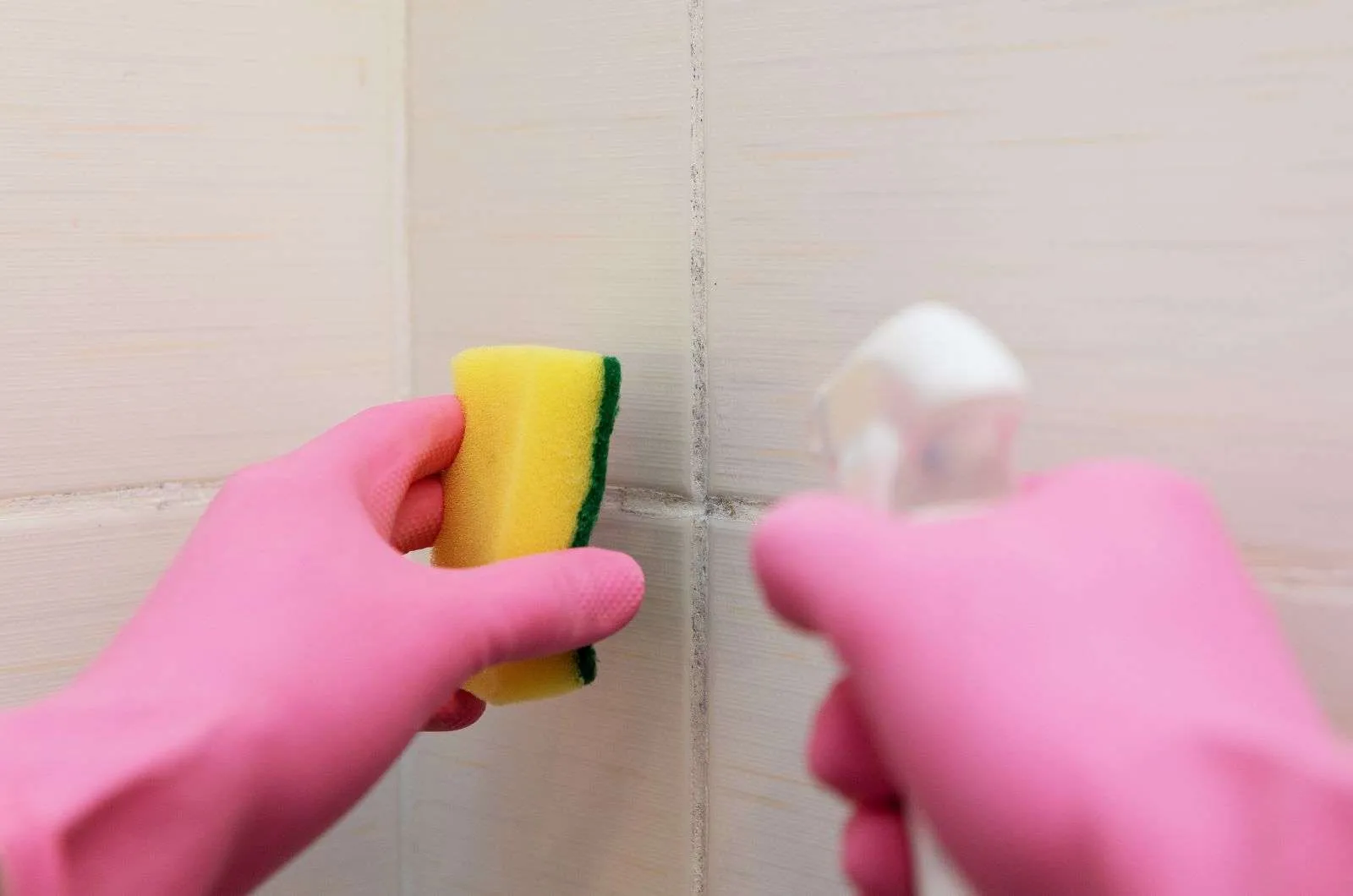
Grout presents a greater challenge than tiles because of its porous nature. Fresh paint can often be wiped away immediately using a damp cloth. For dried or more stubborn paint, mixing equal parts vinegar and warm water and scrubbing with an old toothbrush can be effective. In cases where paint has penetrated deeply into the grout, a specialized grout cleaner or a small amount of commercial paint remover may be necessary. If all else fails, re-grouting the affected section might be the most practical way to restore a clean and uniform appearance.
When to Call in a Professional Help
While DIY paint removal is possible for small splatters or minor areas, there are situations where professional assistance is the safer and more efficient option. Delicate, textured, or antique tiles, large paint spills, or extensive post-renovation messes require the expertise of professionals.
At Clean4you, our builder’s cleaning service is designed for exactly these scenarios. We handle tough paint removal, construction dust, plaster residue, and all types of debris that remain after a renovation. Our team has the tools, experience, and techniques to restore your tiles and grout to their original shine without causing damage. This allows you to enjoy a perfectly clean, move-in-ready space without spending hours scrubbing.
Tips for Maintaining Tiles After Paint Removal
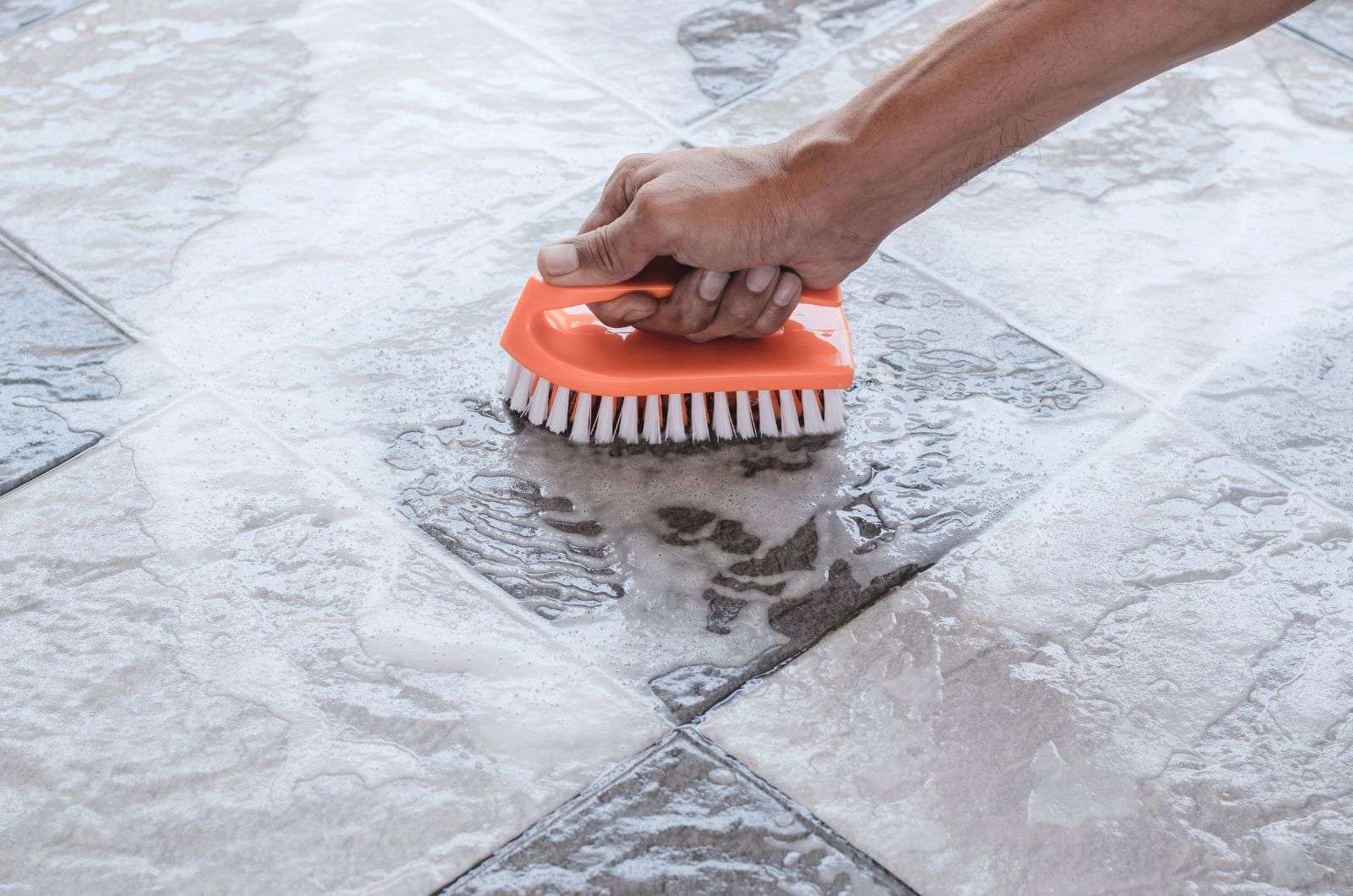
After removing paint, it is important to care for your tiles to prevent future issues. Always wipe away any residual chemicals or cleaning solutions. Avoid metal tools on glazed surfaces and opt for plastic scrapers or silicone tools instead. Work in a well-ventilated area when using heat or chemical removers. Regular cleaning of both tiles and grout helps prevent paint or other stains from settling deeply and becoming difficult to remove.
You May Also Like: How to Clean Bathroom Drains
Final Thoughts
Learning how to remove paint from tiles is a valuable skill for anyone completing a home project. Start with gentle methods such as warm water and soap, progress to heat or household alternatives, and use commercial removers only when necessary.
For extensive paint splatters, delicate tiles, or situations where time is limited, professional help can save both effort and risk of damage. Clean4you’s builder’s cleaning service ensures post-renovation and post-construction cleanups are done safely, thoroughly, and efficiently. With the right approach and care, your tiles can look spotless and pristine once again.

Latest Blogs