Ever jumped into the shower, ready to unwind after a long day, only to realise the water is pooling around your ankles? It’s not exactly the relaxing moment you had in mind. A slow-draining or smelly bathroom drain can turn your peaceful routine into a frustrating clean-up session.
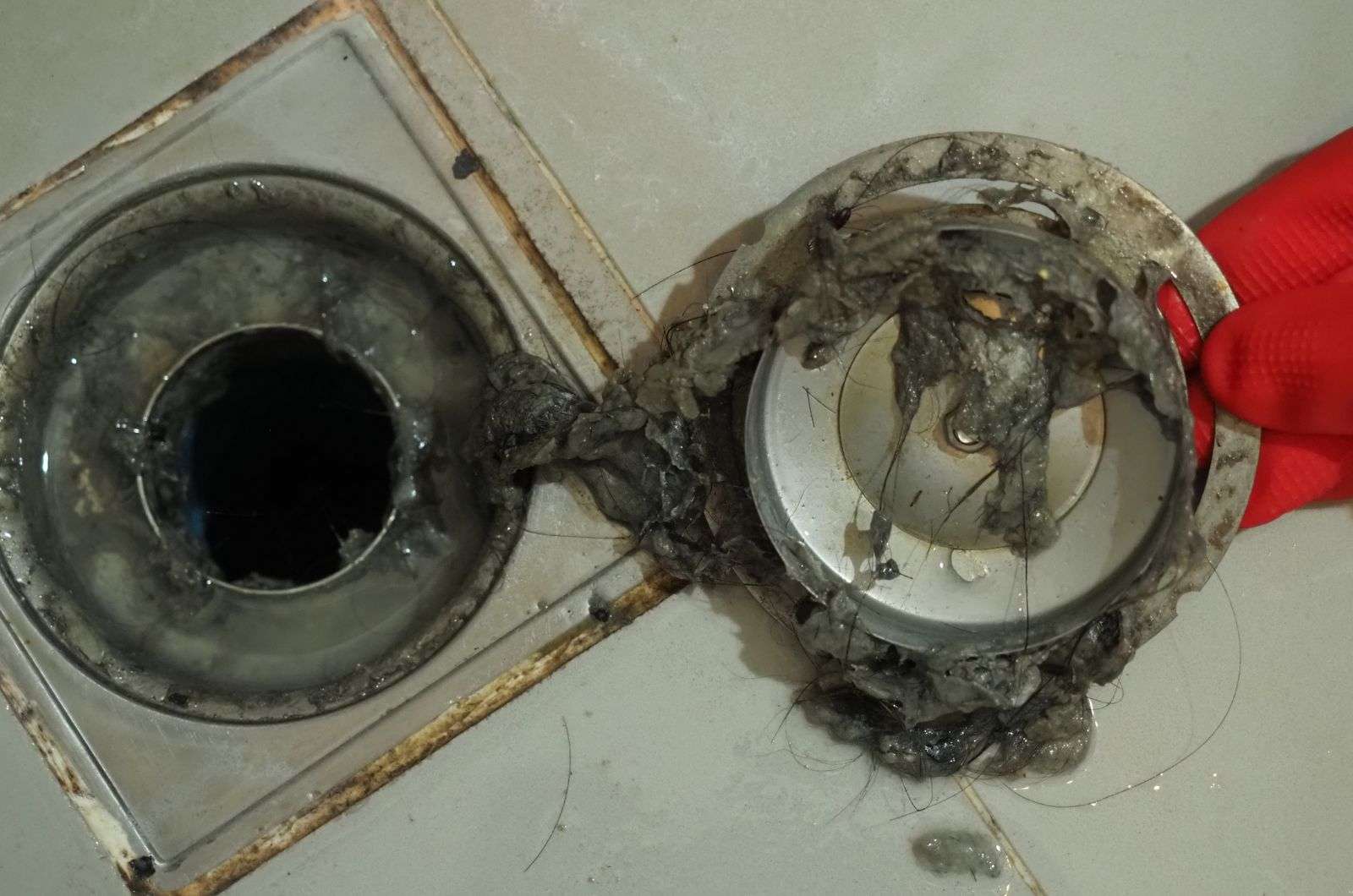
The truth is, drains collect much more than just water. Hair, soap scum, shampoo residue, and body oils slowly build up over time. Before you know it, the drain gets clogged, the water takes forever to go down, and that unpleasant smell starts to linger in the bathroom.
The good news is that you don’t need to panic or call a plumber right away. With a few simple steps, you can easily clear out the buildup, eliminate odours, and keep your bathroom drain flowing smoothly again.
So in this guide, we’ll show you exactly how to clean a bathroom drain, how to remove bad smells, and how to prevent future blockages. You’ll also learn when it might be time to call in an expert if the clog refuses to budge.
Why Cleaning Your Bathroom Drain Actually Matters
Your bathroom drain does a lot more work than you might think. Every time you shower, tiny bits of residue from soaps, shampoos, conditioners, and even hard water minerals wash down the drain. Over time, they start to cling to the inner walls of your pipes, creating the perfect spot for grime and bacteria to build up. This not only affects how quickly the water drains but can also cause unpleasant smells that linger long after you’ve finished showering.
Ignoring this buildup can turn a small issue into a bigger headache. Slow-draining water can eventually lead to complete blockages, and the moisture trapped in your drain can encourage mould growth, which isn’t great for your health or your bathroom’s cleanliness. Giving your bathroom drain a quick clean now and then helps prevent these problems and keeps your bathroom feeling fresh, hygienic, and easy to maintain.
How Often Should You Clean a Shower Drain
Your bathroom drain might seem fine most days, but a little regular maintenance can make a big difference. Checking your drain once a week is a simple habit that helps prevent buildup before it becomes a problem. Take a quick look for any visible hair, soap residue, or debris and remove them right away. This only takes a minute, but goes a long way toward keeping your bathroom water flowing smoothly.
For a more thorough clean, aim to deep-clean your bathroom drain once a month. This includes flushing it with hot water and vinegar or using a gentle cleaner for cleaning bathroom drains to clear out any residue stuck deeper inside the pipes. If your home has multiple people, especially those with long hair, you might want to increase the frequency to every two weeks. The more proactive you are, the less likely you’ll deal with slow drainage or unpleasant smells down the line.
What You’ll Need
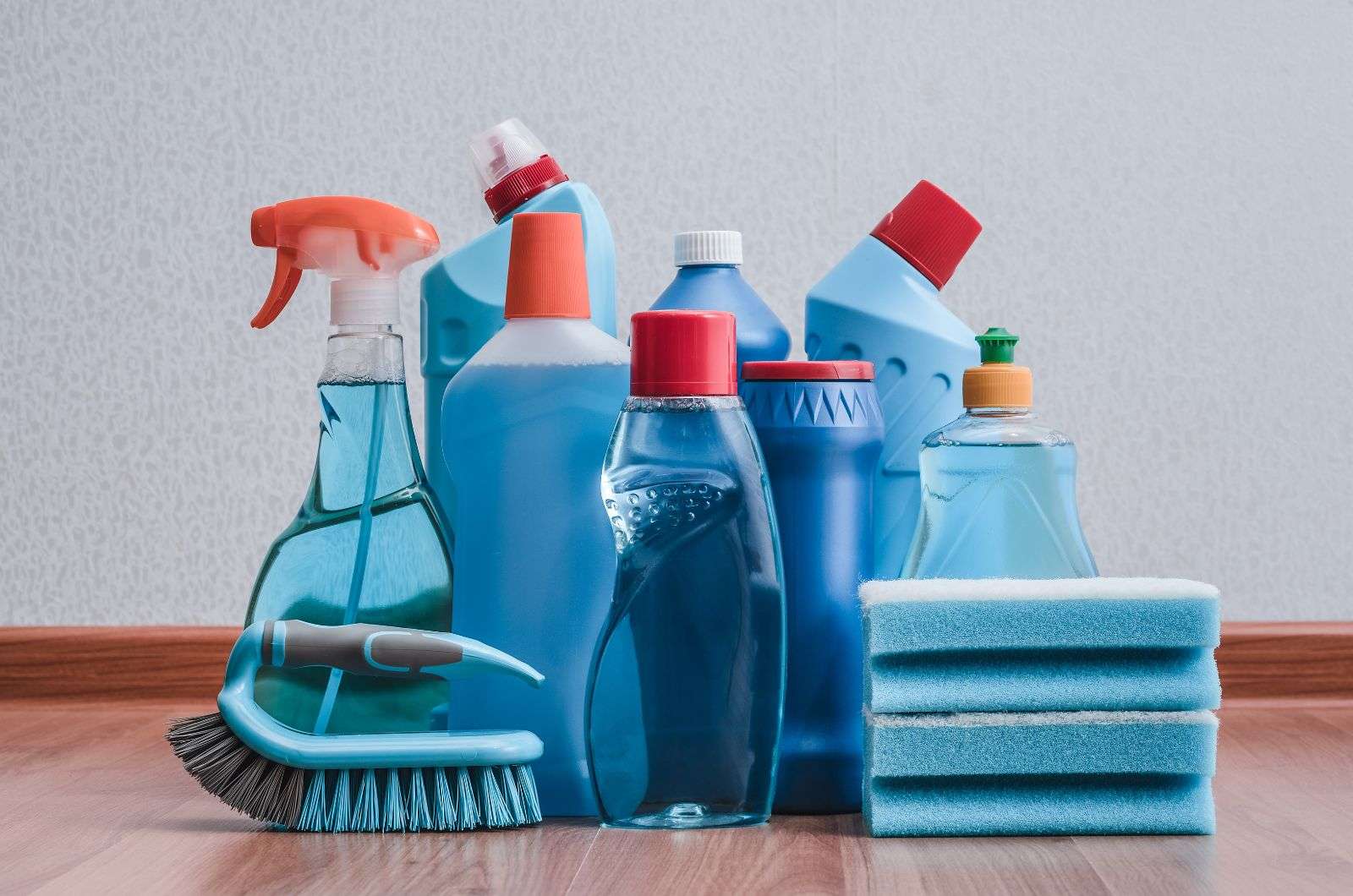
Before you start cleaning the bathroom drain, it’s best to have everything you need within reach. This makes the job easier and keeps you from running back and forth mid-clean. Here’s what you’ll need:
Essentials:
- Rubber gloves to protect your hands
- An old toothbrush or bottle brush for scrubbing
- White vinegar for breaking down grime
- Hot (not boiling) water for rinsing
- Baking soda (optional) for lifting buildup and removing odours
- A cup plunger or drain snake for stubborn clogs
It’s also smart to prepare your space before you begin. Open a window or turn on the bathroom fan to keep the area ventilated, especially if you’re using vinegar or any cleaning products with a strong scent. Keep a small bucket nearby for collecting debris and an old towel on the floor to catch splashes. A bit of setup beforehand helps make the whole cleaning bathroom drains process smoother and less messy.
Step-by-Step: How to Clean a Bathroom Drain
Cleaning your bathroom drain might not be the most exciting job, but it’s one of those small home tasks that can make a huge difference. A clean drain keeps your shower flowing smoothly, prevents unpleasant smells, and saves you from bigger plumbing headaches later. Once you know the right steps, it’s quick, easy, and honestly kind of satisfying. Here’s how to do it properly:
1. Remove the drain cover
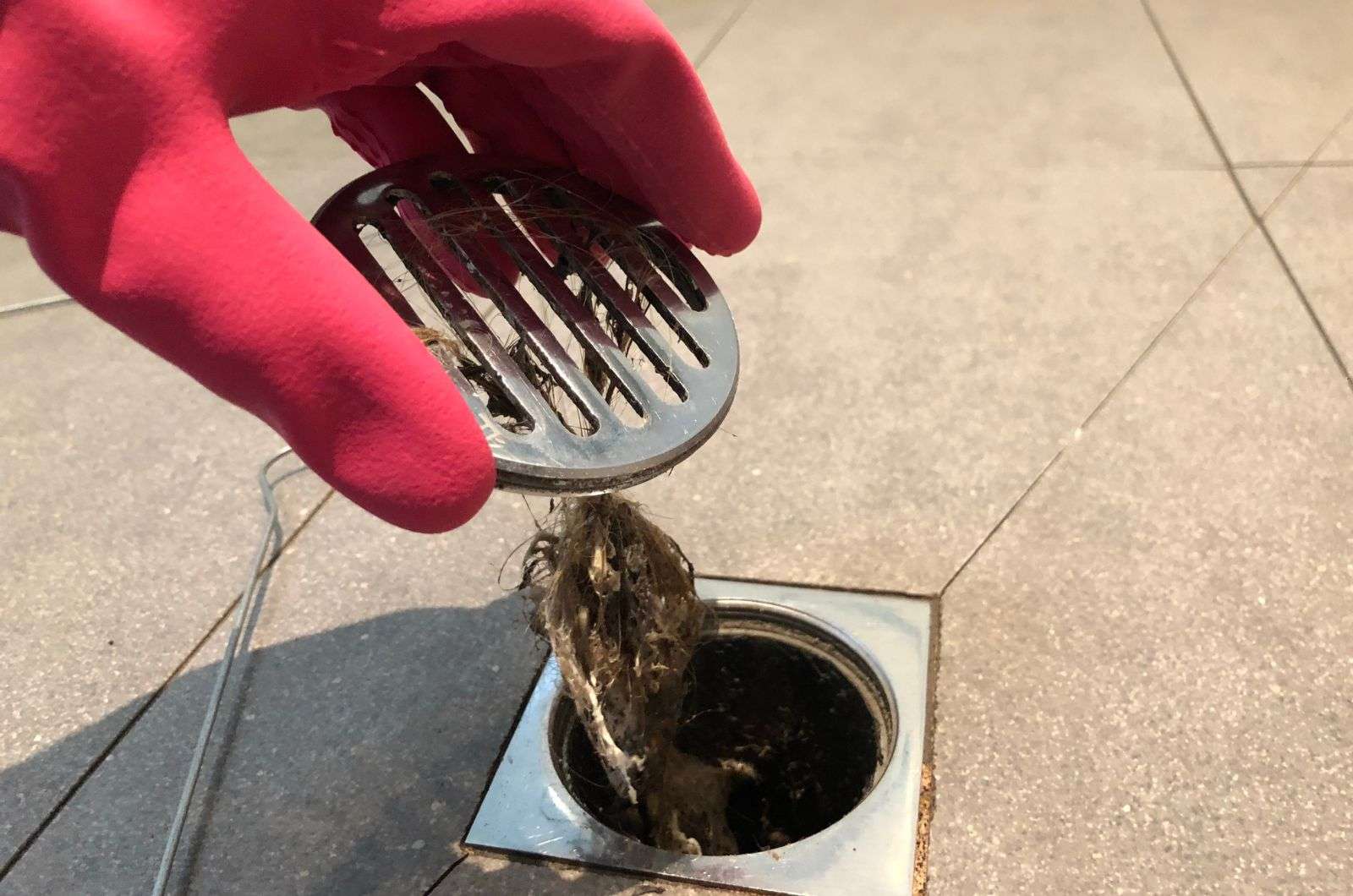
Start by taking off the drain cover so you can see what you’re dealing with. Some covers can be lifted by hand, while others need to be unscrewed. If yours feels stuck, carefully slide a thin hook or a flathead screwdriver underneath to loosen it. Go slow to avoid scratching the metal or damaging the edges. This small step gives you better access to the buildup hiding below the surface.
2. Clear out hair and debris
Now comes the part most people dread, but it’s also the most effective. Put on your rubber gloves and reach into the drain to remove any visible hair, soap buildup, or gunk. Tweezers or a drain cleaning tool can be really helpful here, especially if the debris is packed tightly. Make sure to throw everything straight into the bin rather than flushing it down the toilet. It might feel a little gross, but removing this buildup is key to keeping the water flowing freely again.
3. Wash the drain components
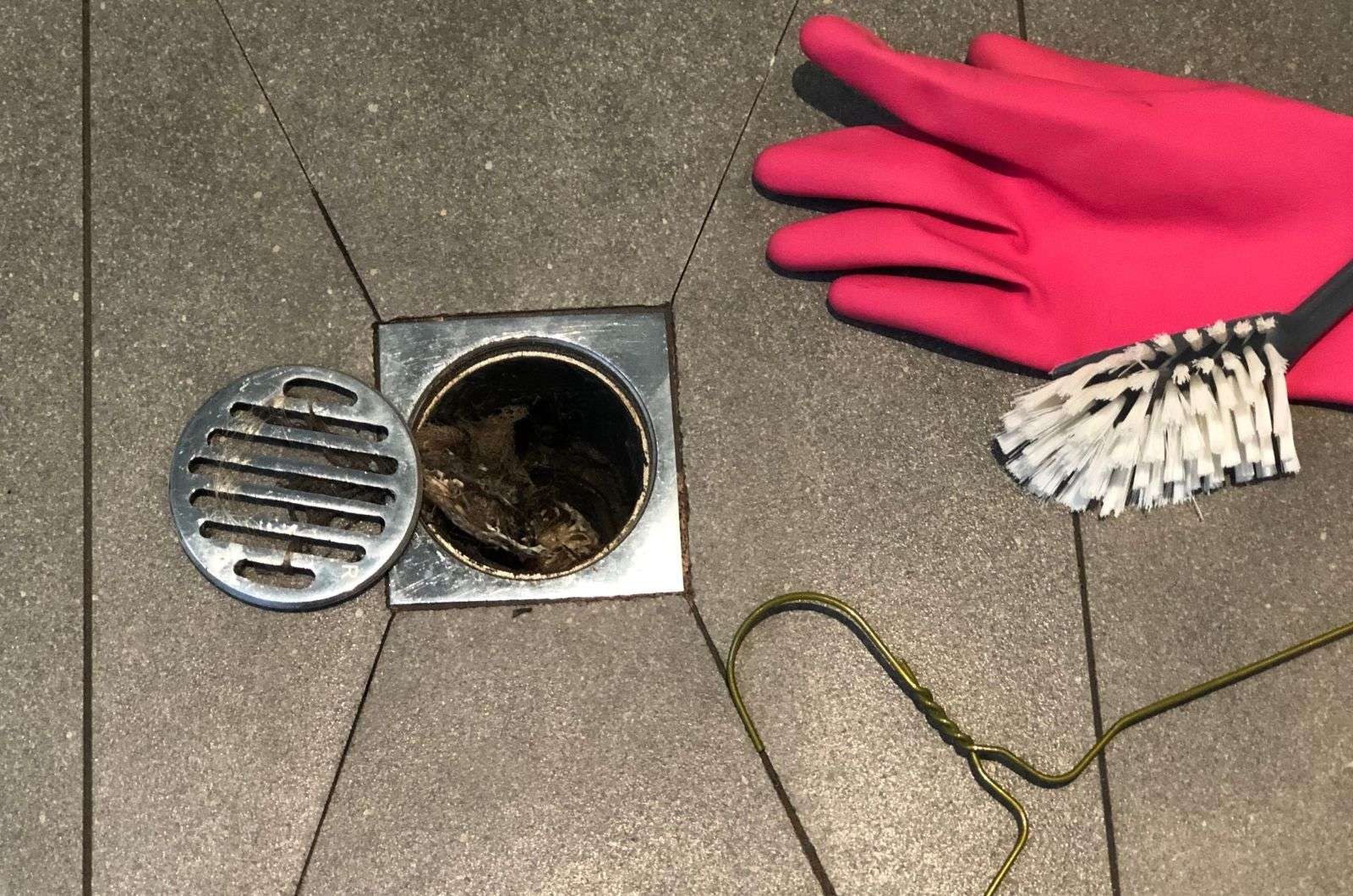
Once you’ve cleared the surface, focus on cleaning the drain cover and any removable parts. Soak them in a small bucket or sink filled with warm, soapy water for about fifteen minutes. This helps loosen any soap scum or dirt that’s stuck on. After soaking, scrub each part using an old toothbrush or bottle brush, then rinse them well under hot water and dry them completely before putting them back.
4. Scrub the drain opening
Spray some warm, soapy water directly into the drain and use your brush to clean around the rim and the inner edges. This helps dislodge leftover residue and freshens up the area. If you notice any stubborn buildup around the surface, sprinkle a bit of baking soda and scrub gently. It acts as a mild abrasive without damaging your pipes. Taking your time with this step ensures your drain not only works properly but also stays fresh longer.
5. Flush with vinegar and hot water
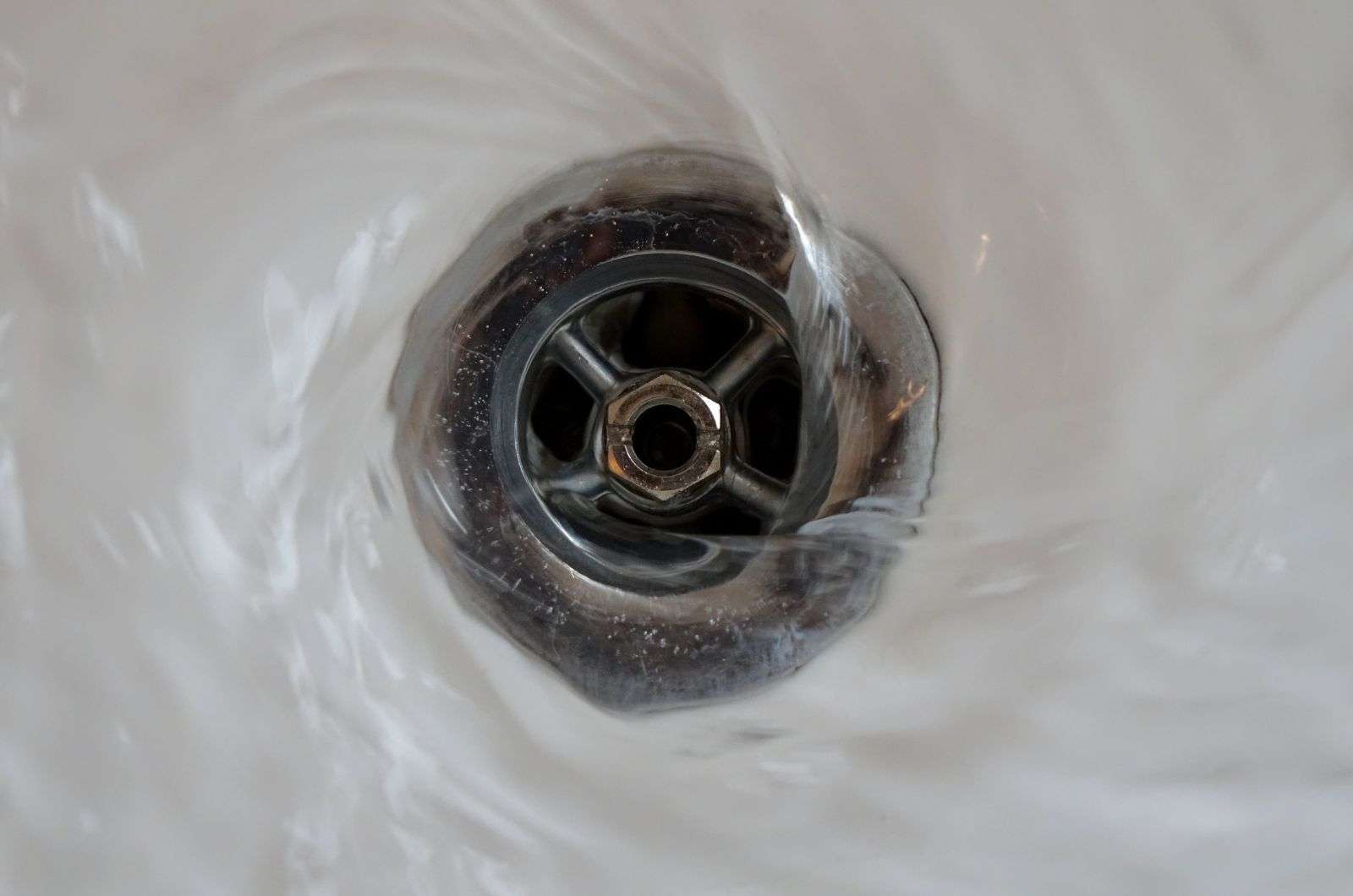
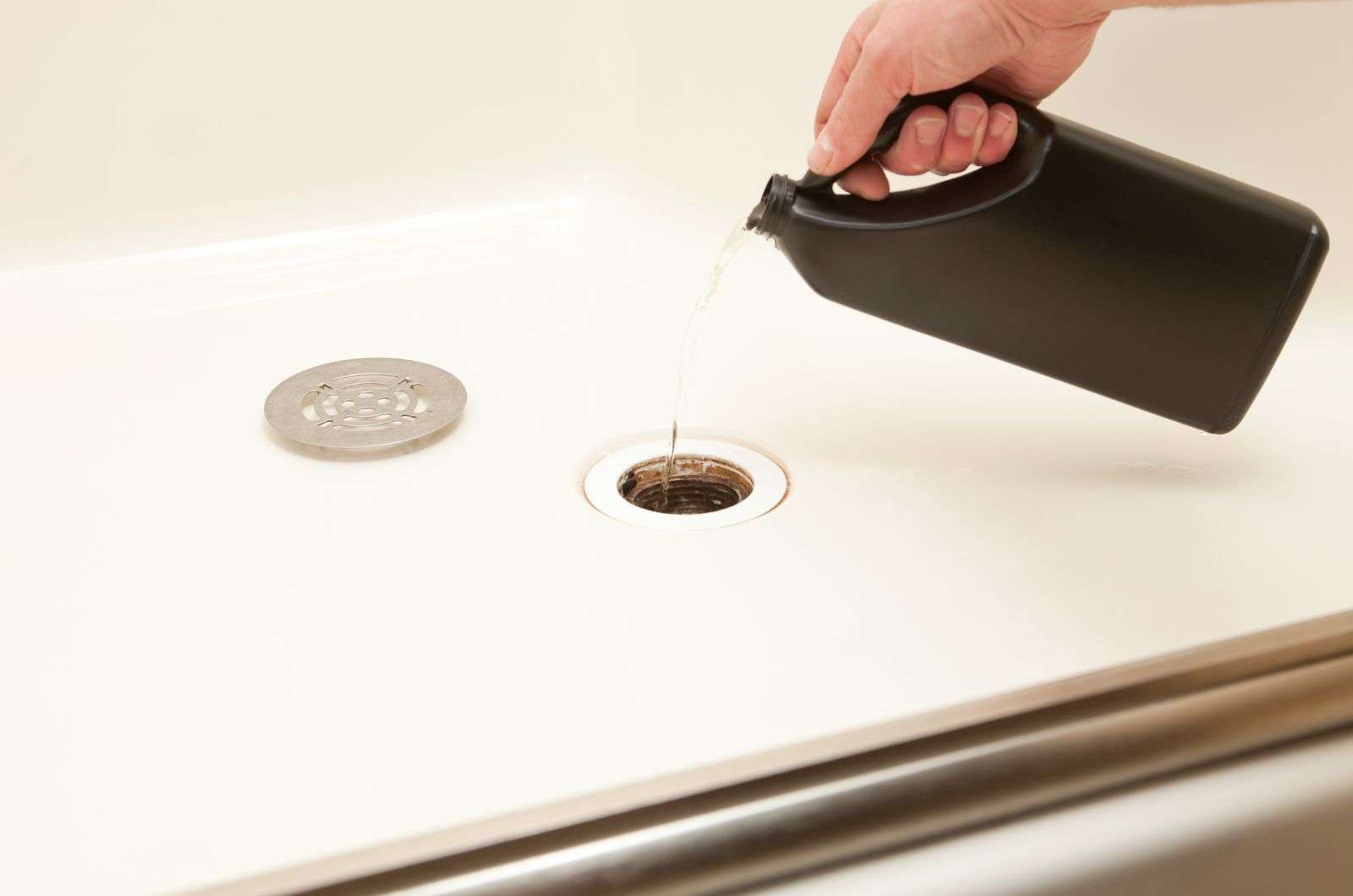
Once the scrubbing is done, it’s time to give your drain a natural flush. Pour about two cups of white vinegar down the drain and let it sit for around ten minutes. The vinegar helps dissolve grime, kills bacteria, and neutralises odours naturally. After that, carefully pour hot (but not boiling) water to rinse everything away. You’ll probably notice the water flowing more smoothly right after.
If you prefer, you can also use a bio-enzymatic drain cleaner instead of vinegar. These cleaners use natural enzymes to break down organic matter like hair and soap scum, making them a great eco-friendly option that’s safe for most plumbing systems.
How to Deep Clean a Blocked Bathroom Drain
If your shower drain is completely clogged and regular cleaning isn’t doing the trick, there are a few methods you can try to tackle the blockage. One of the simplest tools is a plunger. Fill the shower base with a few centimetres of water, position the plunger over the drain, and pump several times. The pressure often helps break up deeper blockages and get the water flowing again.
Another effective option is a drain snake. Slowly feed the snake into the drain while twisting it. When you feel resistance, you’ve likely reached the clog. Keep turning to catch the debris, then carefully pull it out and dispose of it in the bin. This method works well for hair and soap scum that have built up further down the pipe.
If neither the plunger nor the snake clears the blockage, you can try a cleaning solution. Bio-enzymatic cleaners are a safer choice for long-term use because they break down organic matter without harming your pipes or the environment. Mild chemical drain cleaners can also work, but they should be used sparingly since they can damage pipes and are less eco-friendly.
How to Get Rid of Bad Smells from Shower Drains
Even after cleaning, shower drains can sometimes hold onto unpleasant odours. A common reason is a dry P-trap, especially if the shower hasn’t been used for a while. Running water for a few minutes can restore the water seal and block the smell. Pouring white vinegar down the drain and following it with hot water helps kill bacteria and neutralise odours. For deeper issues, letting a bio-enzymatic cleaner sit overnight can break down hair, soap scum, and other organic buildup that often causes persistent smells.
If the odour keeps coming back despite these efforts, it might indicate a clog further down the pipes or even venting problems in your plumbing system. That’s when it’s best to call a professional to inspect and clear hidden blockages. Regular maintenance, like occasional hot water flushes and using bio-enzymatic cleaners, can help keep your shower drains smelling fresh and prevent future issues from developing.
Preventing Future Clogs
Preventing clogs is much easier than fixing them, and a few simple habits can save you a lot of hassle. Using a drain cover or hair catcher is one of the most effective ways to stop hair and larger debris from going down the pipes. Checking and cleaning your drain weekly helps prevent buildup before it becomes a problem. It is also important to be mindful of what goes down the drain. Avoid pouring greasy or oily products, thick lotions, or heavy soap residues into the shower, as these can stick to the pipes over time.
For deeper maintenance, flush your drain with a mixture of vinegar and hot water once a month. This helps dissolve any minor buildup and keeps the drain smelling fresh while flowing smoothly. You can also occasionally use a bio-enzymatic cleaner to naturally break down organic residue. By combining these small habits with regular care, you can keep your shower drains clear, reduce unpleasant smells, and avoid costly plumbing issues in the future.
When to Call in the Pros

If your shower still drains slowly after cleaning, or if you notice bad smells and gurgling sounds, there might be a deeper blockage in your plumbing system. That’s when expert help is worth considering.
Cleaning on a routine basis with professionals like Clean4you can be one of the best ways to keep your bathroom in top shape. Their experienced team handles the deep cleaning tasks most people don’t have time for, tackling buildup around drains, tiles, and other hard-to-reach areas. For anyone with a busy schedule or simply wanting a cleaner, fresher home without the extra effort, hiring professionals can make all the difference.
Final Thoughts
Keeping your shower drain clean isn’t just about looks. It’s about keeping your bathroom running smoothly and feeling fresh every day. From clearing out hair and soap scum to tackling bad smells or stubborn clogs, a little regular care goes a long way in preventing bigger plumbing headaches later. Simple habits like using a drain catcher, doing weekly checks, and flushing your drain with vinegar and hot water once a month can make all the difference.
Still, life gets busy, and it’s easy to let these small tasks slip. That’s where scheduling routine cleaning with professionals can really help. Experienced professional takes care of the cleaning jobs most people don’t have time for, keeping your shower, tiles, and drains spotless and hygienic. Whether you handle the maintenance yourself or bring in the pros every now and then, keeping up with drain care ensures your showers stay relaxing, your bathroom stays fresh, and your home feels a little more stress-free.
FAQs
No, boiling water can damage PVC pipes. Stick with hot water that’s around 50 to 60 degrees Celsius.
Yes, baking soda is safe, but it should be used in moderation. Using too much can cause clumping and make the clog worse.
Pour vinegar and hot water directly into the drain holes. For ongoing issues, use a bio-enzymatic cleaner every week to maintain cleanliness.
If the smell keeps coming back, it could be due to trapped buildup deeper in the pipes or a dry P-trap. Try running hot water for a few minutes or use a bio-enzymatic cleaner overnight to break down hidden residue.
Ideally, give your shower drain a quick clean every week and a deeper clean once a month. Regular maintenance helps prevent clogs, bad smells, and slow drainage.

Latest Blogs