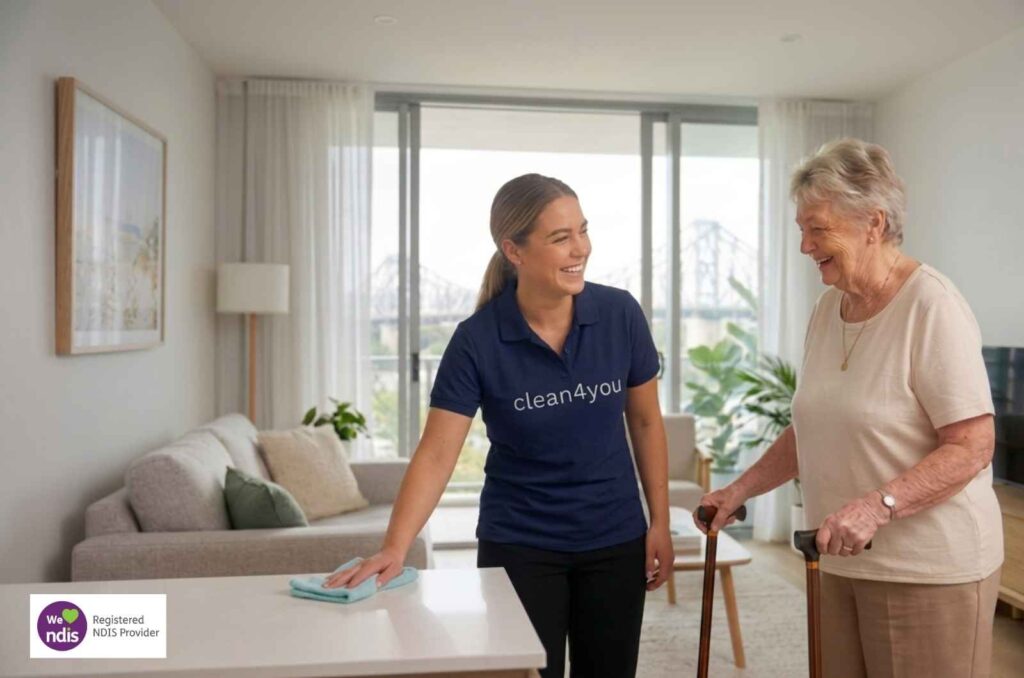
Ever walk into a room and instantly feel lighter, like the air itself is fresher, softer, and somehow “cleaner”? That’s not your imagination. It’s the quiet power of clean air at work, one of those everyday luxuries most of us never notice until it’s gone.
We spend most of our time indoors working, resting, and living, yet rarely think about the quality of the air we’re breathing. The truth is, indoor air quality (IAQ) isn’t just about comfort. It’s closely tied to your health, focus, and overall wellbeing. Clean air supports sharper concentration, fewer allergies, and even better sleep. Poor air, on the other hand, can quietly trigger headaches, fatigue, and respiratory issues, all without you realising it’s the air, not your lifestyle, that’s weighing you down.
Here’s where cleaning comes in. More than just dusting or vacuuming, the right cleaning habits can transform your indoor environment, reducing allergens, balancing humidity, and eliminating pollutants that silently circulate through your space. In other words, every wipe, sweep, and deep clean helps your home or office breathe a little easier and helps you do the same.

What Exactly Is Indoor Air Quality and Why It Matters
Have you ever noticed how the air inside your home sometimes feels heavy even when everything looks spotless? Maybe it’s that faint, stale scent that lingers after cleaning. Or the way your eyes sting a little after spending hours indoors.
That’s not your imagination; it’s your air quality talking.
Indoor Air Quality (IAQ) refers to the condition of the air inside and around buildings, particularly as it relates to the health, comfort, and performance of the people breathing it. In simple terms, it’s a measure of how clean or polluted your indoor air really is.
And it matters more than most people think. We spend nearly 90% of our time indoors at home, at work, or in shared spaces, yet we rarely think about what’s actually floating around us.
Here’s the surprising part: studies show indoor air can be up to five times more polluted than outdoor air.
What causes this? A mix of everyday pollutants that quietly build up over time:
- Dust and allergens trapped in carpets, curtains, and bedding.
- Cleaning chemicals that release volatile organic compounds (VOCs).
- Poor ventilation that allows moisture, odours, and carbon dioxide to linger.
- Humidity and mould spores thriving in bathrooms and basements.
- Air ducts and HVAC systems that recirculate dust, debris, and bacteria.
These invisible pollutants don’t just make a room feel stuffy; they can lead to allergies, fatigue, headaches, dry skin, or that persistent feeling of indoor sluggishness you can’t quite explain.
When the air inside feels heavy, your body notices even if you don’t.
The Hidden Culprits Behind Poor Indoor Air Quality
Sometimes, what makes indoor air “dirty” isn’t obvious. It’s not always smoke or visible dust floating in a sunbeam; it’s the quiet buildup of particles, chemicals, and moisture that slowly makes a room feel heavier, duller, and harder to breathe in.
Let’s break down the most common offenders hiding in plain sight.
Dust and Clutter The Silent Polluters
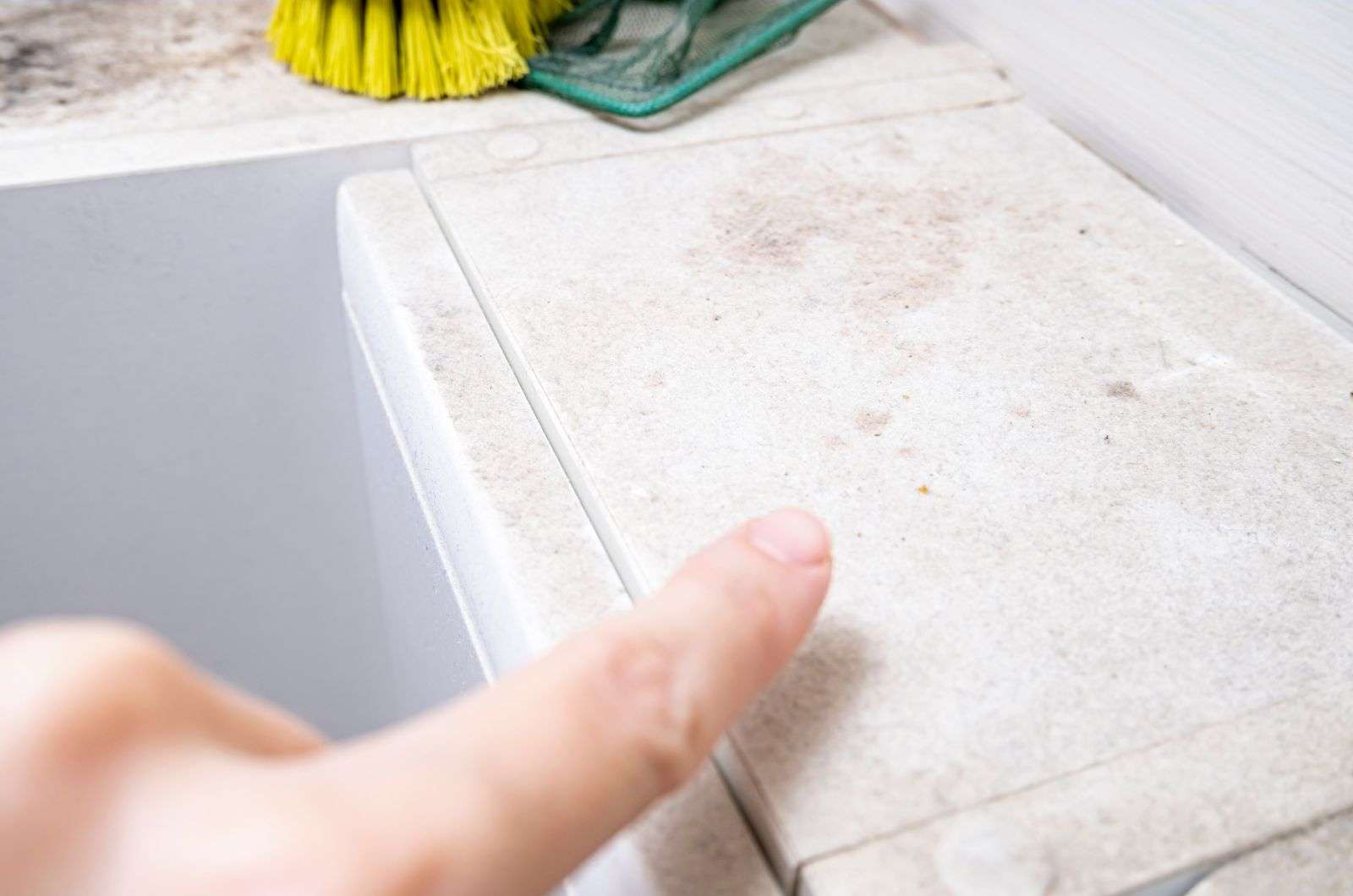
Every home collects dust. But what most people don’t realise is what dust actually is—a mix of dead skin cells, fabric fibres, pet dander, pollen, and microscopic particles that carry bacteria and allergens.
When clutter piles up in stacks of papers, books, or forgotten corners, it becomes a perfect trap for these fine particles.
Each time you move around, these pollutants resettle into the air, ready to be inhaled.
A 2023 EPA report found that dust can hold traces of more than 40 different toxic compounds, from flame retardants to heavy metals. Not exactly what you want floating near your desk or dinner table.
Harsh Chemicals: The Invisible Offenders
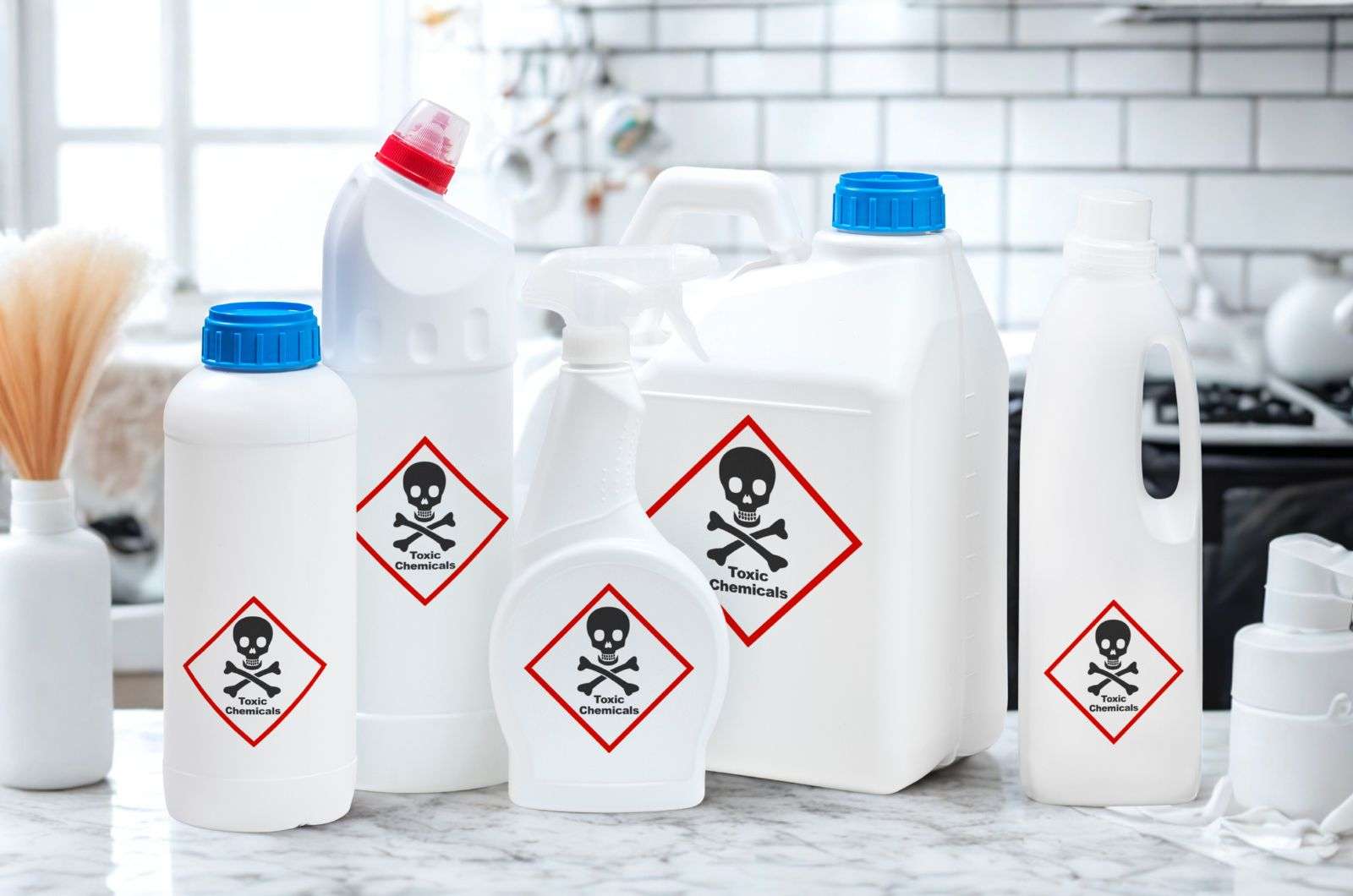
Ironically, many “clean” smells come from what’s dirtying your air.
Strong detergents, disinfectants, and synthetic air fresheners often contain volatile organic compounds (VOCs), gases that evaporate easily at room temperature.
These VOCs can irritate your eyes, throat, and lungs, and in poorly ventilated rooms, they linger for hours.
Over time, frequent exposure can trigger headaches, fatigue, and respiratory irritation, especially for kids and people with asthma.
So while your space may look spotless, the air can quietly become more polluted than before you cleaned.
The Forgotten Corners That Hold Contaminants
Under the couch. Behind the printer. Inside vents or air ducts that haven’t been cleaned for years.
These hidden areas often collect dust mites, mould spores, and pet hair that quietly feed the cycle of poor air.
Every time your air conditioner or fan runs, it stirs up these trapped contaminants, spreading them through the entire room.
The result? You breathe in a mix of old dust, spores, and allergens, even if you vacuum regularly.
Think of it as a recycling system for pollutants.
Humidity Imbalance Breeding Ground for Mould
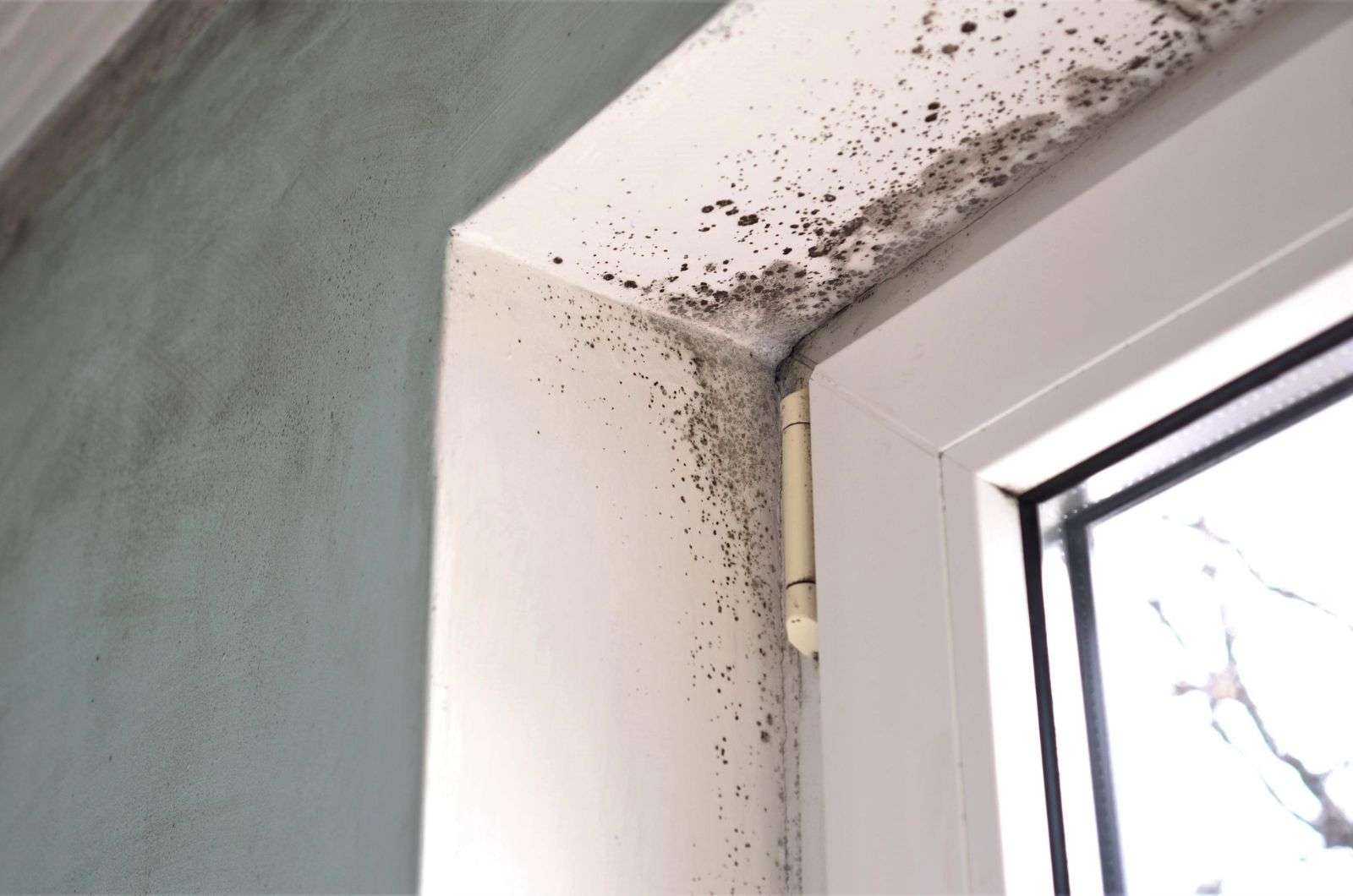
When the air is too humid, it creates the perfect environment for mould, mildew, and bacteria to grow, especially in bathrooms, basements, and poorly ventilated kitchens.
Even a small patch of mould can release thousands of spores into the air, worsening allergies and causing that unmistakable musty odour. On the other hand, too little humidity dries out nasal passages and skin, making you more vulnerable to irritation and infections.
The sweet spot for indoor humidity is between 40% and 60%, where your air stays comfortable and less prone to microbial growth.
These culprits work quietly, but their impact builds over time, affecting how your space smells, how you feel, and how well you function throughout the day.
When the air turns stale, so does your energy.
How Smart Cleaning Improves Indoor Air Quality
Cleaner air doesn’t come from gadgets alone; it starts with smarter, more intentional cleaning. Every surface you wipe, every corner you clear, and every product you choose shapes the quality of the air you breathe.
Here’s how simple habits can make a measurable difference.
Regular Cleaning Reduces Allergens and Dust Load
The easiest way to improve indoor air quality is also the most overlooked: consistent cleaning.
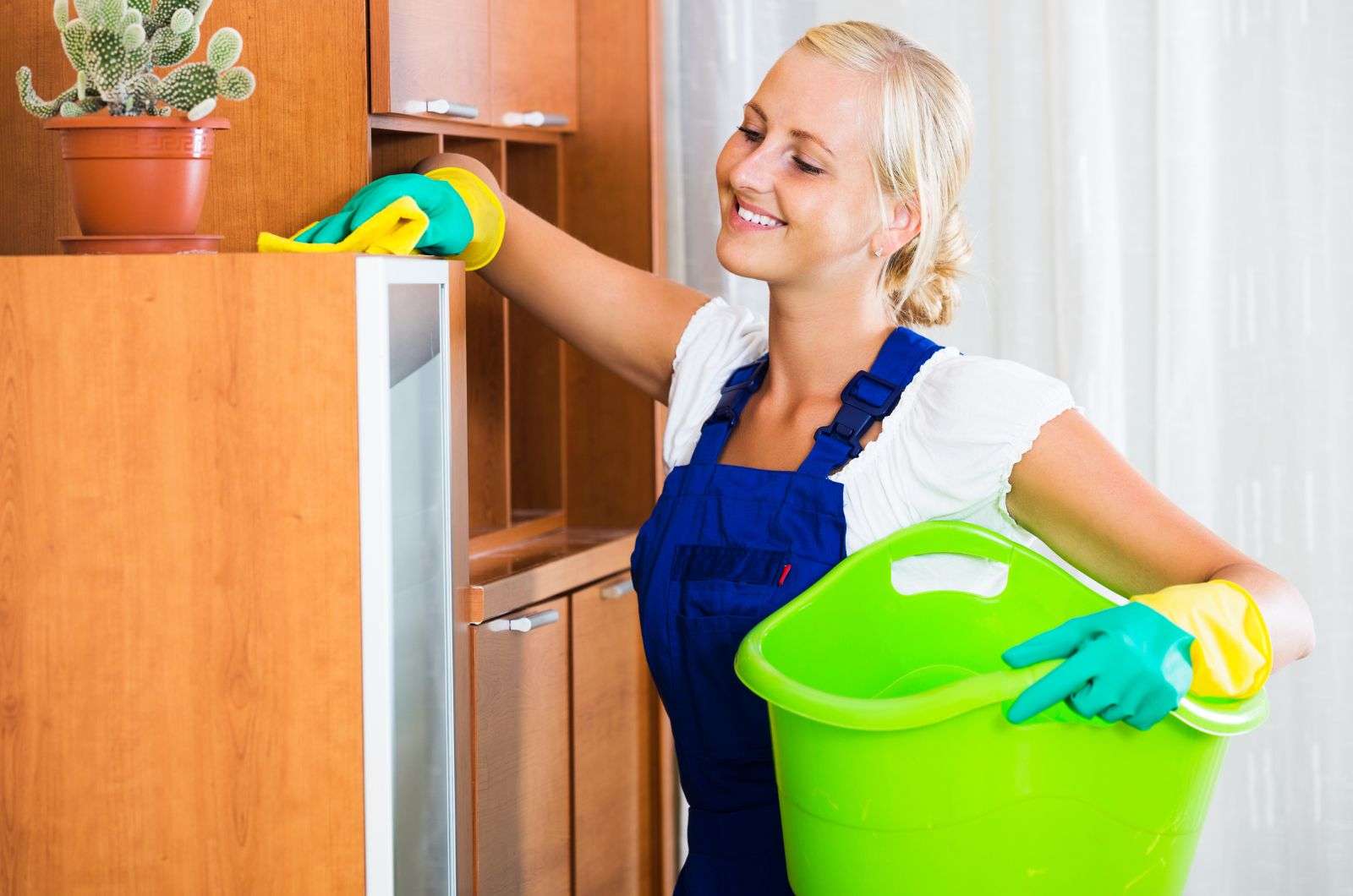
Regular vacuuming, dusting, and decluttering prevent dust, pollen, and pet dander from building up and circulating in the air.
Vacuuming with a HEPA filter is especially effective. It traps microscopic particles, the kind that slip through standard vacuums and end up back in your lungs.
Even routine dusting matters. Surfaces like window blinds, bookshelves, and electronics attract fine particles that get stirred up whenever someone moves through the room. Keeping these areas clean means fewer irritants floating around.
A tidy space isn’t just about appearance; it’s a low-maintenance air filter in disguise.
Choosing the Right Cleaning Products
Not all “clean” smells are healthy. Many store-bought sprays, wipes, and disinfectants contain volatile organic compounds (VOCs), chemicals that evaporate into the air and can cause eye, nose, or throat irritation.
Switching to low-VOC, biodegradable, or plant-based cleaners can significantly cut down airborne toxins. These alternatives clean just as effectively but don’t release harsh fumes that linger for hours.
Look for simple, transparent ingredient lists, or even make your own cleaners using vinegar, baking soda, or mild soap.
Small swaps like these reduce chemical load and make your home or office safer to breathe in every day.
Deep Cleaning Hidden Areas
Even if you clean regularly, pollutants often hide in places we rarely check.
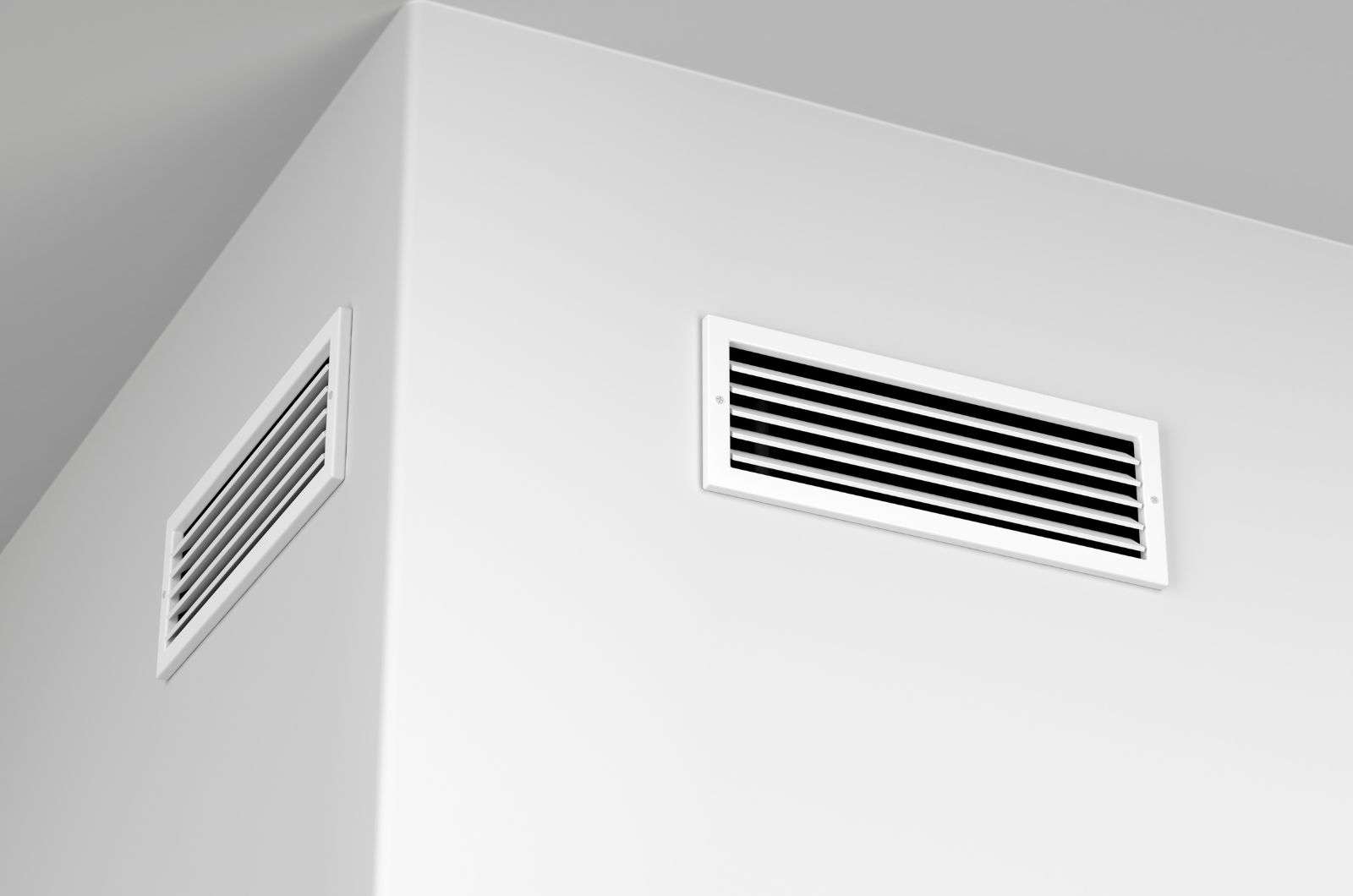
Carpets, upholstery, air vents, and ducts trap allergens, mould spores, and dust mites that recirculate through the air whenever the fan or air conditioner runs.
That’s where deep cleaning comes in. Steam cleaning carpets, wiping skirting boards, and clearing vents remove what weekly cleaning can’t reach.
This kind of targeted maintenance keeps your air fresher, especially in enclosed or high-traffic spaces.
If your room ever smells “stale” despite looking spotless, that’s your cue it’s time to clean deeper.
The Role of Ventilation and Airflow
Clean air doesn’t stay clean if it has nowhere to go. Good ventilation is what keeps fresh oxygen moving in and stale air moving out.
Simple steps like opening windows for 15 minutes a day, keeping vents unblocked, or using extractor fans in humid areas can dramatically reduce indoor pollutants.
Cross-ventilation helps remove moisture, odours, and carbon dioxide, balancing your air’s composition naturally.
Think of it as teamwork: cleaning removes the source of pollutants, and ventilation sweeps them out for good.
A well-cleaned, well-ventilated space doesn’t just look better; it feels lighter, clearer, and more energising. You breathe differently, think sharply, and even sleep better when the air around you is genuinely fresh.
When Routine Isn’t Enough: The Case for Professional Cleaning
Even the most diligent cleaning routines have limits. You might vacuum weekly, wipe surfaces daily, and keep clutter under control, but some sources of indoor pollutants remain stubbornly out of reach.
Carpets, upholstery, air ducts, and hidden corners can quietly trap dust, allergens, mould spores, and even bacteria. Over time, these unseen contaminants circulate through your home or office, affecting both air quality and well-being.
This is where professional deep cleaning makes a difference. Experts use industrial-grade vacuums, high-efficiency HEPA filters, and eco-safe disinfectants to target the areas your regular routine can’t touch. They understand how to tackle buildup in tricky spots under furniture, inside vents, or behind appliances, ensuring the air you breathe is genuinely fresh.
By viewing professional cleaning as a complement to your routine, rather than a replacement, you not only maintain a cleaner space but also safeguard your health, productivity, and comfort.
Clean4You’s Role in Cleaner, Healthier Air
At Clean4You, we believe cleaning goes beyond surfaces; it’s about protecting the air you breathe. Our trained staff use certified, low-VOC products, HEPA-filter vacuums, and deep-cleaning techniques to tackle hidden dust, allergens, and pollutants that impact indoor air quality.
We focus on consistency and attention to detail, following tailored cleaning schedules for homes and offices across Australia. Every corner, vent, and hidden space is treated with care, ensuring your environment is genuinely fresh and healthy.
The outcome is clear: cleaner air, fewer allergens, improved well-being, and spaces that feel lighter, fresher, and safer to live or work in.
If your home or office feels stuffy no matter how much you tidy up, it might be time to refresh more than just surfaces. Get in touch with Clean4You; we’ll help you breathe easier every day.
Key Takeaway
- Clean air starts with consistent, mindful habits.
- Regular dusting, decluttering, and cleaning reduce allergens and indoor pollutants.
- Wiping high-touch surfaces and vacuuming with a HEPA filter helps maintain a healthier environment.
- Don’t forget hidden corners, as they can harbor dust and buildup.
- Professional cleaning can complement regular efforts, tackling areas that are hard to reach.
- Every refreshed surface supports lung health, keeps your space inviting, and benefits everyone in the home or office.

Latest Blogs