
Keeping your windows sparkling clean isn’t just about appearances. It impacts the light, air quality, and overall feel of your home or workspace. Whether you’re tackling smudges and fingerprints on interior panes or stubborn dirt and hard water stains on exterior glass, having the right tools, techniques, and safety practices makes all the difference.
In this complete window cleaning guide, we’ll walk you through everything you need to know about window cleaning: from essential cleaning tools and DIY methods to professional techniques and safety tips. By the end, you’ll have a clear, step-by-step roadmap for achieving streak-free, crystal-clear windows every time, no matter the height, location, or level of dirt.
Essential Tools for a Professional Finish
Cleaning windows effectively starts with having the right tools. Using professional-grade equipment even for DIY cleaning makes the process faster, safer, and leaves your glass streak-free. Here’s what you need to know:
Squeegees: Types and How to Use Them Effectively
Squeegees are the cornerstone of window cleaning. They remove water and cleaning solution efficiently, preventing streaks and drips. Key points:
- Types: Choose a rubber-blade squeegee for smooth finishes. Professional squeegees come in different widths (typically 10–18 inches) for interior and exterior use.
- Technique: Start at the top corner and pull in a straight line down the glass. Wipe the blade with a clean cloth after each pass to avoid streaks. Overlapping slightly ensures no water lines are left behind.
- Tips: For high or wide windows, use an extension pole to maintain control without leaning dangerously.
Scrims and Cloths: Choosing the Right Material for Streak-Free Cleaning
Cloths and scrims are used to apply solutions and wipe excess moisture:
- Scrims: These are loosely woven cloths that absorb dirt and apply cleaning solutions evenly. Ideal for interiors where gentle cleaning is enough.
- Microfiber Cloths: Soft, lint-free, and highly absorbent. Microfiber is perfect for final wiping and polishing, preventing streaks and removing smudges.
Tips: Always keep separate clothes for glass and frames to avoid transferring dirt.
Applicators and Solutions: Which Cleaners Work Best for Different Window Types
The right cleaning solution makes a huge difference:
- DIY Solutions: A mix of water, a few drops of dish soap, and white vinegar works well for general cleaning.
- Commercial Cleaners: Ammonia-free glass cleaners are effective for tough stains, especially for large windows or commercial settings.
- Applicators: Use sponges, scrims, or soft brushes to evenly apply the solution. Avoid abrasive scrubbers on delicate glass to prevent scratches.
Optional Accessories: Ladders, Extension Poles, and Safety Gear
Cleaning high or exterior windows safely requires the right equipment:
- Ladders: Ensure they are stable, placed on level ground, and tall enough to reach the window comfortably.
- Extension Poles: Allow you to clean exterior windows from the ground, reducing the risk of falls.
- Safety Gear: Gloves, goggles, and non-slip shoes protect your hands, eyes, and feet. For second-story or higher windows, consider harnesses or professional help.
Preparing the Window and Surrounding Area
Proper preparation is key to a smooth and efficient cleaning process. Begin by removing any obstacles near the window, such as furniture, decorations, or potted plants, to create enough workspace. Lay down towels or a plastic sheet on the sill and floor to catch drips and prevent water damage. Dust the window frame, sill, and corners with a dry cloth, duster, or handheld vacuum to remove loose dirt, cobwebs, and debris before applying any cleaning solution.
Applying Cleaning Solution Correctly
Choosing the right cleaning solution makes a huge difference in achieving streak-free windows. For a DIY option, mix warm water with a few drops of mild dish soap and a splash of white vinegar. Spray the solution evenly across the glass surface, avoiding oversaturation of the frame or sill. Use a scrim or microfiber cloth to gently scrub the glass, focusing on fingerprints, smudges, and stubborn spots. Work in small sections to prevent the solution from drying too quickly and leaving streaks.
Squeegee Techniques for a Streak-Free Finish
Using a squeegee properly is essential for professional-looking results:
- Start at the top corner of the window.
- Pull the squeegee straight down in one smooth motion.
- Wipe the blade with a clean cloth after each stroke to avoid transferring dirt and leaving streaks.
- For wide windows, use overlapping strokes to ensure full coverage.
- Finish with vertical or horizontal strokes around edges to remove remaining solution.
Pro tip: Avoid pressing too hard; gentle, consistent pressure gives a cleaner finish.
Drying and Polishing for a Sparkling Result
After squeegeeing, some solution may remain along edges or in corners. Use a dry, clean microfiber cloth to wipe down edges, corners, and the window sill. Buff the glass in circular motions to remove streaks or water spots. Check the window from different angles under natural light to ensure no streaks or spots are left behind. A well-polished window not only looks better but also resists dust and grime buildup longer.
Common Mistakes to Avoid on Interior Windows
Even small mistakes can ruin an otherwise great cleaning effort. Avoid these common errors:
- Cleaning on a sunny day: Direct sunlight can dry cleaning solutions too fast, leaving streaks.
- Using dirty cloths or squeegee blades: Residue and dirt on your tools can scratch or streak glass.
- Oversaturating the window: Too much solution can drip onto frames, sills, or flooring.
- Ignoring corners and edges: Residue here can attract dust quickly, making the window look dirty again soon.
- Mixing harsh chemicals: Abrasive cleaners can damage glass coatings or window frames.
By following these steps and avoiding common mistakes, interior windows can look professional, clean, and streak-free, whether you’re doing it yourself or preparing for professional cleaning.
How to Clean Exterior Windows Safely
Cleaning outside windows can be trickier than cleaning inside ones because of dirt buildup, hard water stains, and access issues. Safety and preparation matter most. With the right tools and methods, you can get sparkling results without putting yourself at risk.
Ground-Level Cleaning Techniques for Easy Access
For windows you can easily reach from the ground, start by rinsing the glass with a garden hose to remove dust, pollen, and loose debris. Apply a window-cleaning solution with an applicator or soft sponge, scrubbing away bird droppings, insect marks, and grime. Use a squeegee with smooth, overlapping strokes, just like indoors. Finish by wiping edges and frames with a microfiber cloth to prevent water streaks.
Using Extension Poles for Higher Windows
When windows are just out of reach, extension poles make cleaning much safer than using ladders. Attach a squeegee or brush head to the pole and use it with soapy water or a professional window-cleaning solution. Many modern poles allow you to connect to a hose for continuous water flow, making rinsing easier. The key is to work from top to bottom and use controlled, steady strokes to avoid streaking.
Professional Tools for Second-Story and Hard-to-Reach Windows
For second-story or difficult spots, professionals often use water-fed pole systems with purified water that leaves no streaks or residue. These tools allow safe ground-level cleaning up to several stories high. If you don’t have access to such equipment, it’s often safer and more effective to hire a professional window cleaner. Attempting to balance on ladders with buckets and tools is risky, especially for multi-story homes.
Safety Precautions for External Window Cleaning
Safety should always come first:
- Avoid ladders when possible: Use extension poles instead.
- Check ground stability: If you must use a ladder, place it on level, solid ground.
- Wear non-slip shoes: Wet surfaces can be slippery.
- Protect your hands and eyes: Gloves and safety glasses shield you from harsh cleaning chemicals and debris.
- Never lean out of windows: Always keep your body weight balanced and secure.
Weather Considerations: Best Times to Clean Exterior Windows
The weather has a big impact on results. The best time to clean windows is on a cloudy day with mild temperatures, as direct sunlight can cause streaking. Avoid cleaning during windy conditions, since dust and debris may quickly settle on wet glass. Freezing or extremely hot conditions should also be avoided, not only for your comfort but also to prevent water spots and streaks.
Tackling Hard Water Stains and Mineral Deposits
Hard water stains and limescale are among the toughest problems when cleaning windows. They appear as cloudy, white, or chalky spots that don’t go away with normal soap and water. These stains are caused by minerals like calcium and magnesium that dry on the glass after rain, sprinklers, or hose water. The good news? With the right approach, you can restore clarity and shine to your windows.
Identifying Hard Water Spots and Limescale on Windows
Hard water stains look different from regular dirt or dust. You’ll usually see:
- White, hazy spots or streaks.
- A rough texture when you run your fingers over the glass.
- Stains that don’t budge with regular cleaning.
If left untreated, these deposits can etch into the glass surface over time, making them permanent. That’s why tackling them early is essential.
Effective DIY Solutions for Mineral Deposits
You don’t always need expensive products. A few household remedies can break down mineral buildup:
- Vinegar solution: Mix equal parts white vinegar and water, spray on the affected area, and let it sit for 5–10 minutes before wiping with a microfiber cloth.
- Lemon juice: The natural acidity in lemon helps dissolve calcium deposits. Rub half a lemon directly on the stain, then rinse and dry.
- Baking soda paste: For stubborn spots, mix baking soda with water into a paste, gently rub it onto the stains, then rinse.
Tip: Always test DIY solutions on a small section first to avoid damage to window coatings.
Commercial Cleaners for Tough Stains
Sometimes DIY methods aren’t enough. In those cases, use specialised hard water stain removers designed for glass. Look for products containing mild abrasives or acidic formulas that are safe for windows. Professional-grade cleaners often deliver faster results without excessive scrubbing.
Safety note: Wear gloves and follow the manufacturer’s instructions when using chemical cleaners. Avoid using harsh abrasives like steel wool, which can scratch glass.
Preventive Tips to Reduce Future Hard Water Damage
Prevention saves effort in the long run. Here are some strategies:
- Adjust sprinklers: Ensure they don’t spray directly onto windows.
- Install water softeners: Reducing minerals in household water cuts down on deposits.
- Apply a protective coating: Glass sealants create a barrier against minerals, making cleaning easier.
- Regular maintenance: Wipe windows dry after rain or garden watering to stop minerals from drying on the surface.
Safety Tips for Cleaning High or Second-Story Windows
Cleaning high or second-story windows isn’t just about achieving a streak-free shine; it’s also about minimising risks and working smartly. Falls from ladders are one of the most common household accidents in Australia, so whether you’re doing DIY window cleaning or considering professional help, safety must come first.
Personal Protective Equipment (PPE) for Window Cleaning
Before starting, make sure you have the right gear:
- Non-slip shoes to keep your footing steady on ladders or wet surfaces.
- Safety gloves to protect your hands from sharp edges or strong cleaners.
- Protective eyewear if you’re using commercial cleaning solutions or working in windy conditions.
- Hi-vis clothing if cleaning near driveways or areas with vehicle traffic.
PPE may feel like overkill for “just windows,” but it reduces the chance of injury and helps you stay focused.
Ladder Safety and Proper Placement
Ladders are useful, but also the biggest source of accidents. Follow these rules:
- Place the ladder on stable, flat ground, never on uneven surfaces.
- Follow the 4-to-1 rule: for every 4 feet (1.2m) of ladder height, place the base 1 foot (30cm) away from the wall.
- Always face the ladder and maintain three points of contact (two feet and one hand, or two hands and one foot).
- Don’t overreach; move the ladder instead of stretching to the side.
Avoid using ladders in wet or windy conditions, as they can easily slip or tip over.
Using Professional Harnesses or Platforms
For windows above the second story, ladders often aren’t enough. Professionals use:
- Safety harnesses with secure anchor points.
- Elevated work platforms (EWPs) such as cherry pickers or scissor lifts.
- Water-fed pole systems that allow cleaning from the ground up to several stories high.
These methods reduce the risk of falls while still ensuring a professional-quality finish. If you don’t have access to this equipment, it’s safer to leave higher jobs to trained cleaners.
When to Call a Professional for Risky Heights
There’s a clear line where DIY should stop. Call a professional if:
- Your windows are above the second story.
- You don’t have access to safe ladders, harnesses, or extension poles.
- You’re uncomfortable with heights or lack experience with safety gear.
- The building design makes windows difficult to reach (e.g., sloped roofs, narrow ledges).
Professional window cleaners are trained, insured, and equipped to handle these challenges safely and effectively. In the long run, hiring help can be cheaper and safer than risking injury.
DIY vs Professional Window Cleaning: Which Option Is Right for You?
Window cleaning might seem straightforward, but there’s a big difference between a quick DIY job and the polished finish a professional can deliver. The best choice depends on your goals, budget, and how much time you’re willing to invest.
Advantages of DIY Window Cleaning
Many homeowners prefer DIY cleaning because it’s:
- Cost-effective – You only need basic supplies like a squeegee, bucket, and solution.
- Flexible – You can clean on your own schedule, whenever the windows look dirty.
- Satisfying – There’s a sense of accomplishment when you finish with sparkling results.
- Customisable – You control which products are used, which is helpful if you prefer eco-friendly or homemade cleaners.
DIY is a good choice for ground-level windows or when you just need a quick refresh.
Benefits of Hiring Professional Window Cleaners
Professional cleaners bring more than just convenience:
- Expert techniques – Trained cleaners use methods that prevent streaks, smears, and water spots.
- Specialised equipment – From water-fed poles to commercial-grade solutions, they tackle tough stains and high windows safely.
- Consistent results – Windows stay cleaner for longer because professionals know how to treat glass properly.
- Safety – No need to climb ladders or risk accidents on second-story windows.
- Time-saving – A full house can take you hours, while a professional team gets it done quickly.
Conclusion: Clear Windows, Brighter Homes
Clean, streak-free windows don’t just improve the look of your home; they also let in more natural light, boost your mood, and keep your living spaces feeling fresh. Whether you prefer the hands-on approach of DIY or the convenience of hiring professionals, the right tools, techniques, and regular maintenance will make all the difference.
And if you’d rather leave the hard work to the experts, Clean4You is here for you. We provide professional house cleaning services across Australia, including window cleaning, carpet cleaning, end of lease cleaning, and a wide range of other cleaning solutions customised to your needs. Our trained and reliable team ensures every corner of your home gets the attention it deserves, so you can sit back, relax, and enjoy spotless results.
Clean4You Team
Whether it’s house cleaning, end of lease, carpet, windows, or lawn care, Clean4You is ready to help. Contact us today and enjoy reliable, professional cleaning with flexible service options to suit your needs.

Clean4you Team
At Clean4you, we’re a team of experienced cleaning professionals passionate about helping Australians keep their spaces clean and well maintained. We share practical tips, cost guides, and smart cleaning hacks, backed by real, hands-on experience to make cleaning easier for homeowners, tenants, and businesses.
Table of Contents
ToggleOur Services
Latest Blogs
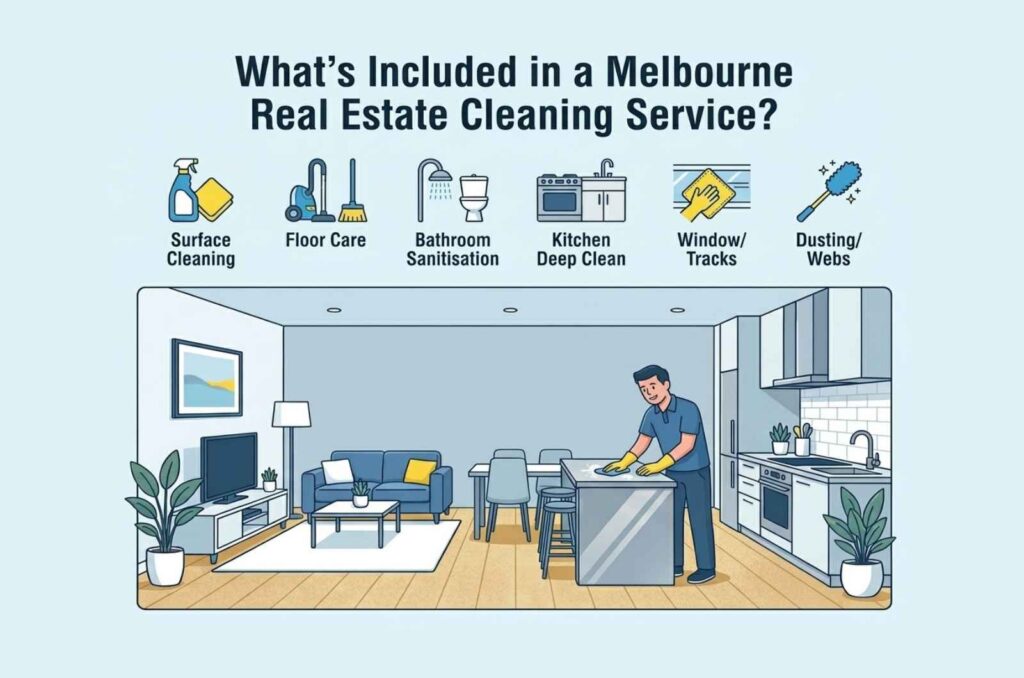
What’s Included in a Melbourne Real Estate Cleaning Service?
Preparing a property for sale, a rental inspection or a tenant changeover involves more than...

End of Lease Cleaning Sydney: What Do Property Managers Check?
Getting ready for a final inspection? This guide covers the key areas to clean, from...
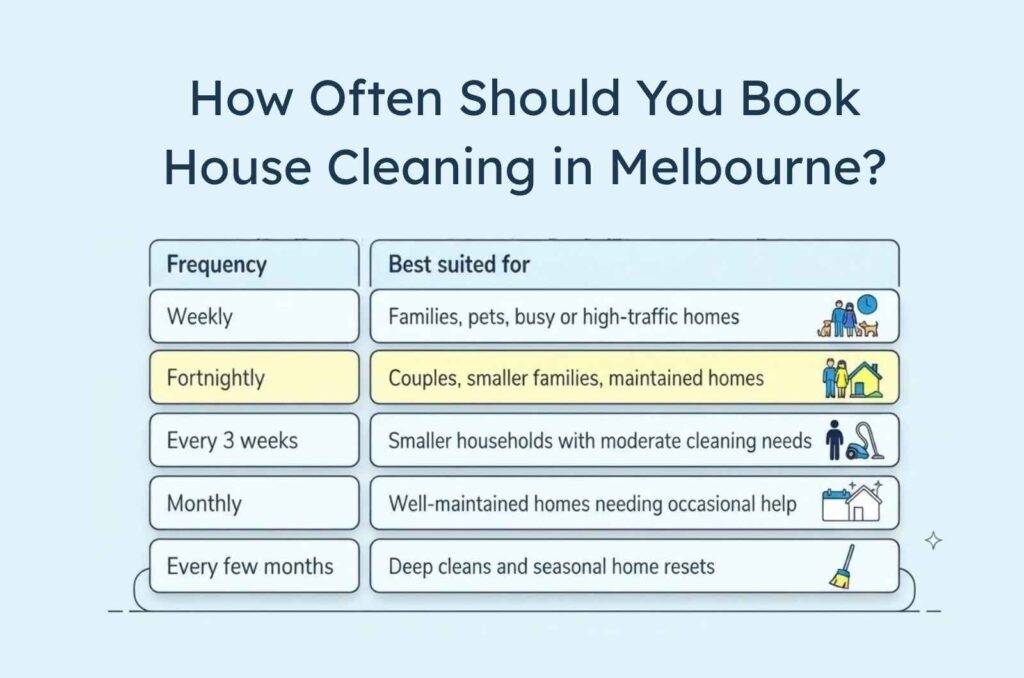
How Often Should You Book House Cleaning in Melbourne?
Not sure whether your Melbourne home needs weekly, fortnightly, or monthly cleaning? This guide breaks...