You know that feeling when your tiles look sparkling clean, but those stubborn dark grout lines just won’t budge? Yeah… we’ve all been there. Grout has a way of stealing the spotlight, turning even the nicest tiles into a dull, tired version of themselves.
In this guide, I’ll walk you through practical, effective ways to clean tile grout, whether it’s on your bathroom walls, kitchen floor, or anywhere in between. You’ll discover methods that actually work, from gentle approaches that keep things safe to tricks that save your back from endless scrubbing.
Why Grout Gets Gross and Why Cleaning Matters
Grout is porous and sits between your tiles, holding everything in place. That porosity, though, makes it a magnet for dirt, soap scum, mould, mildew, and water.
In a shower, this means constant exposure to moisture and soap residue, which can lead to mould. In kitchens or high-traffic areas, it absorbs spills, grease, and mud from shoes. Left unchecked, grout darkens, becomes patchy, and can even allow water to seep behind tiles, creating bigger problems.
Keeping grout clean not only makes your tiles look fresh and bright, but it also prevents long-term damage and costly repairs.
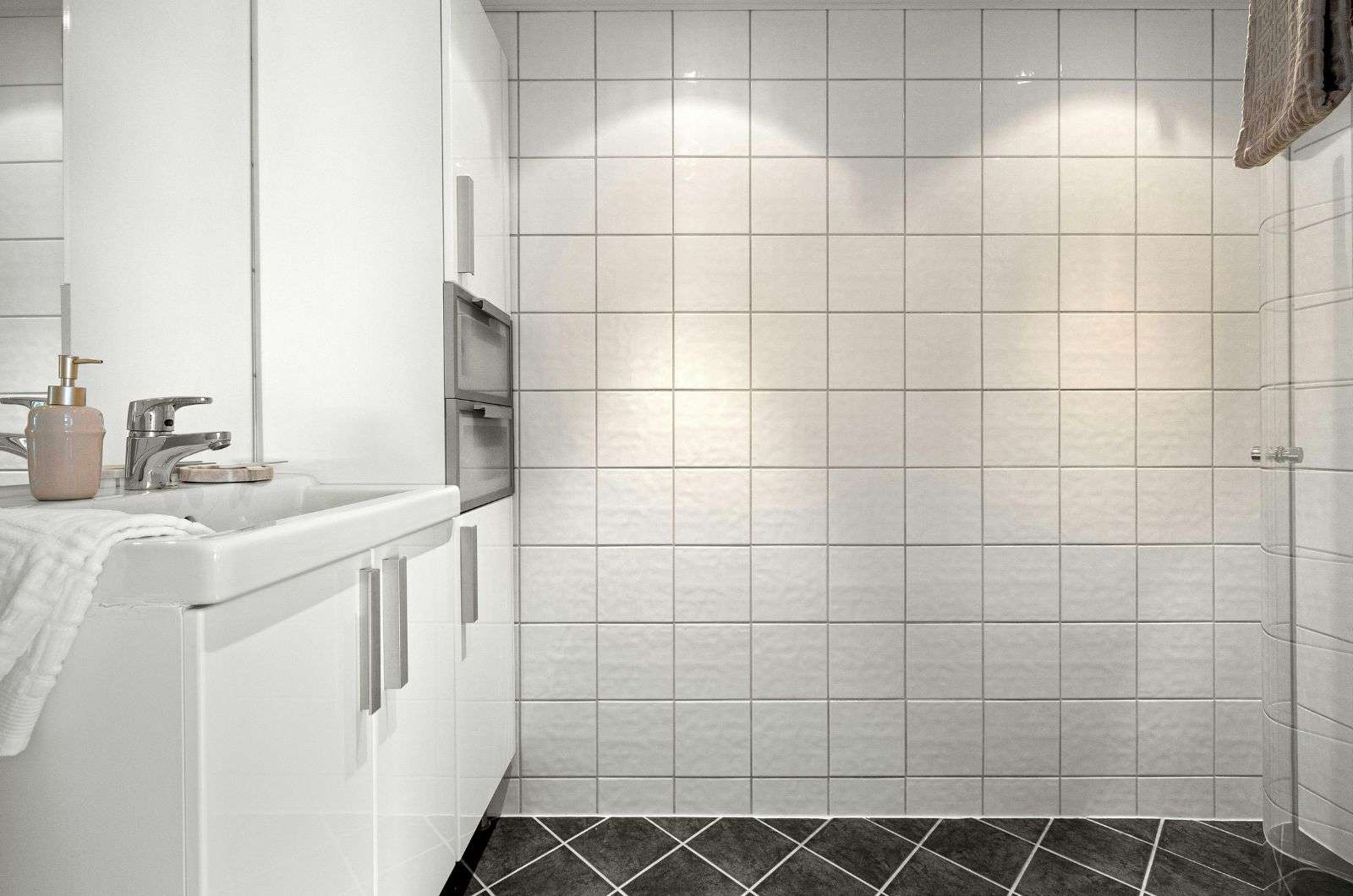

The First Step: Know Your Tile and Grout
Before you start cleaning, it helps to know two key things: the type of tile you have, whether it’s ceramic, porcelain, or natural stone, and whether your grout is sealed or unsealed.
This matters because certain cleaning methods can damage delicate surfaces. Acidic cleaners or aggressive scrubbing can harm natural stone or unsealed grout, while sealed grout is much easier to maintain. For example, methods designed to clean floor tile grout without scrubbing rely on gentler solutions to protect the surface.
Here’s a simple test to check if your grout is sealed:
Just flick a few drops of water onto a small section of the grout line. If the water sits on the surface without soaking in, your grout is sealed and ready for regular cleaning. If it darkens almost immediately, that’s a sign the grout is unsealed and more vulnerable to stains and damage, meaning you’ll need gentler cleaning methods and possibly a sealant afterward to keep it protected.
How to Clean Tile Grout: Step-By-Step
Cleaning tile grout can feel like a never-ending chore, but with the right approach, it’s completely doable. Let’s walk through the step-by-step process to restore your grout to its clean, fresh look while protecting your tiles and keeping the effort manageable.
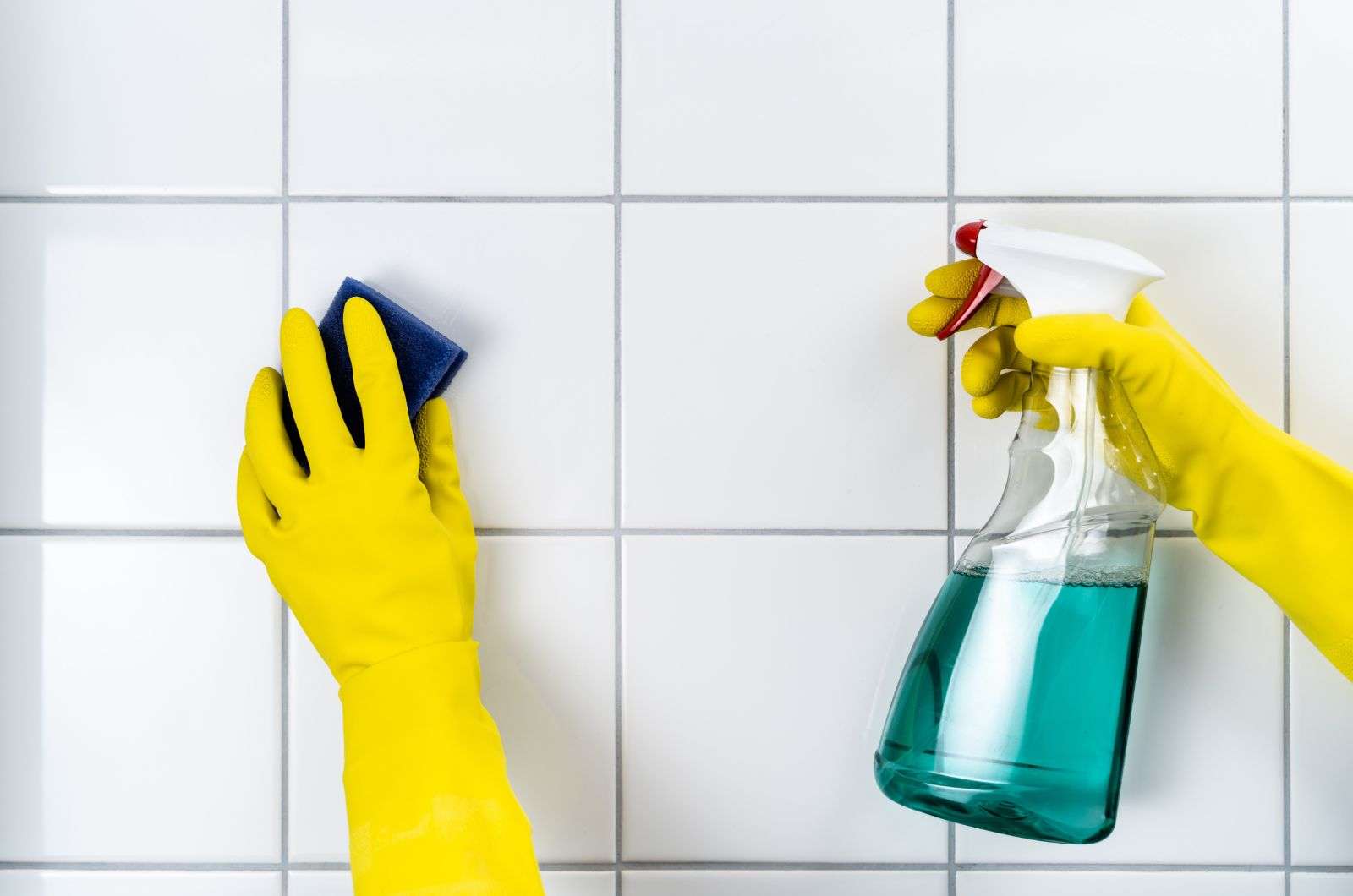
1. Initial Cleaning & Prep
- Sweep or vacuum the area to remove loose dirt and dust. (For floors especially.)
- Wipe down tiles with warm water and a mild detergent to remove surface grime.
- Let the area dry (if possible) so your cleaning solution works best.
2. Go After the Grout Lines
DIY paste method:
This is especially good for both floor and shower grout.
- Mix baking soda + hydrogen peroxide + a drop of dish soap. (A tested and effective combo.)
- Apply paste along grout lines. Let it sit for 5-15 minutes, depending on how dirty the grout is.
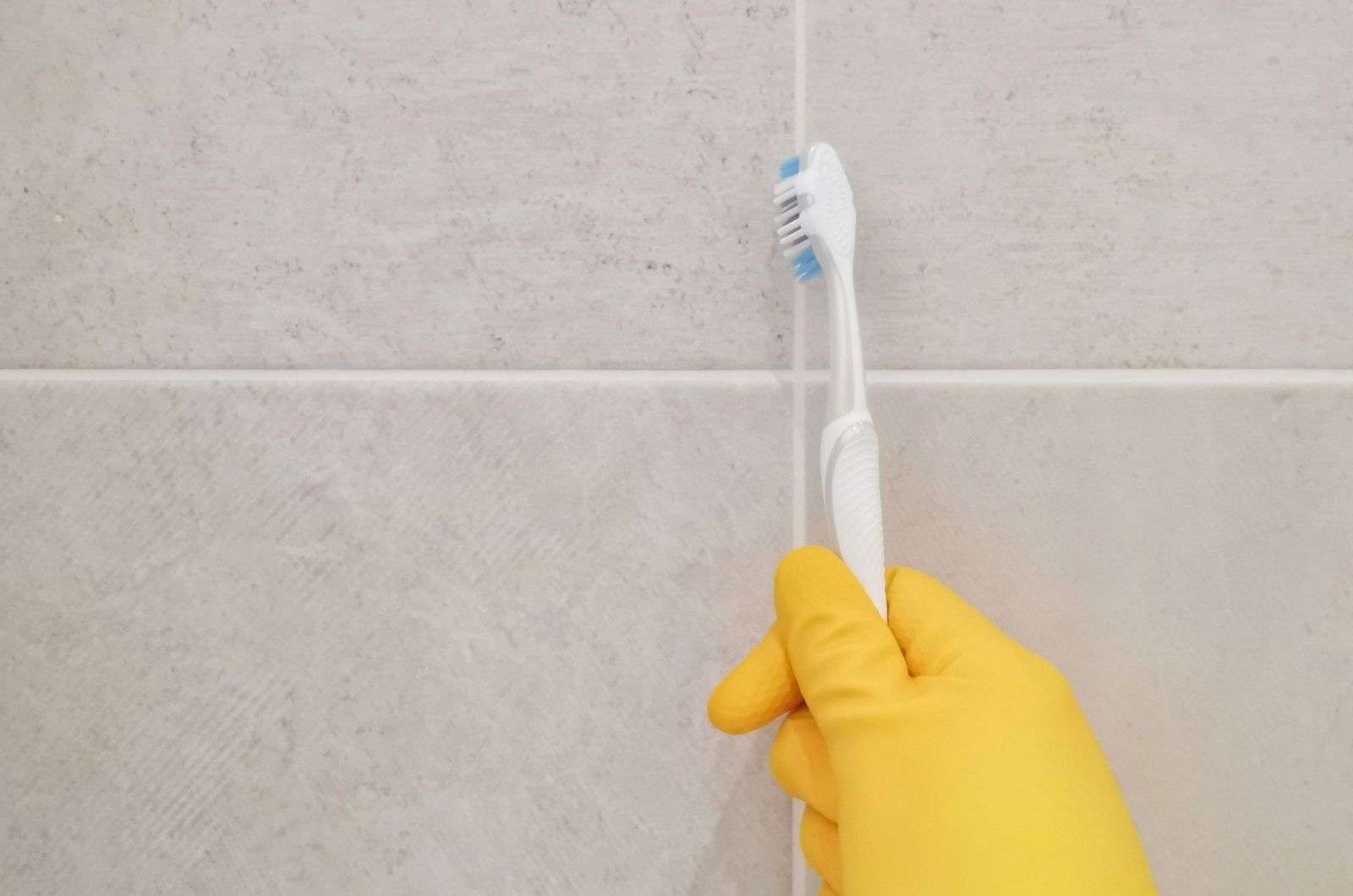
- Use a grout brush or an old toothbrush (soft-to-medium bristles) to gently scrub.
- Rinse thoroughly with warm water. Pat or air-dry.
Alternative non-scrub method (for floor tiles):
If you’d rather avoid hard scrubbing:
- Use a grout cleaner labelled for “no scrubbing” or one that you spray on and wipe off.
- Follow instructions: apply cleaner, let sit, wipe along grout lines, rinse.
Note: “Without scrubbing” doesn’t mean it cleans itself. It means you won’t need intense elbow grease, but you still need to let the cleaner work and wipe thoroughly. Think of it as a gentler, more patient approach rather than completely effortless. The cleaner does most of the heavy lifting, but your attention to detail makes the difference between streaky grout and a spotless finish.
3. Special for Showers: How to Clean Shower Tile Grout
Showers can be a tough spot for grout because the combination of heat, humidity, soap, and mineral deposits creates the perfect environment for grime and mould. This makes regular cleaning especially important to keep grout looking fresh and prevent long-term damage.
- Apply the paste method using baking soda, hydrogen peroxide, and a little dish soap on shower walls and floors. This combo is widely recommended.
- Wipe down tiles and grout lines with a squeegee or microfiber cloth to minimise residue.
- Ensure the bathroom is well-ventilated after showering to prevent mould and mildew.
- Avoid acidic cleaners like full-strength vinegar or lemon on natural stone or unsealed grout, as they can damage grout and tile finish.

4. Rinse & Dry Thoroughly
Rinsing removes leftover cleaning residues and any grime that has been loosened during the treatment. Drying is just as important, as it helps prevent new dirt, soap scum, and moisture from settling back into the grout. Many experts note that skipping this step is a common mistake that can reduce the longevity of your clean grout.
5. Seal the Grout
Once your grout is completely clean and fully dry, apply a grout sealer. This protective layer forms a barrier that repels stains, moisture, and dirt, which is especially valuable in showers and high-traffic areas. Sealing not only keeps grout looking fresh longer but also makes future cleaning quicker and easier. For best results, follow the manufacturer’s instructions and consider reapplying every 6 to 12 months, depending on use and exposure.
How to Clean Floor Tile Grout Without Scrubbing
If the thought of scrubbing your grout makes you groan, you’ll be glad to know there are ways to clean it effectively with minimal effort. You don’t have to spend hours on your hands and knees to get fresh-looking grout.
- Choose the right product: Look for a cleaner specifically formulated for low-effort or no-scrub grout cleaning. These products are designed to penetrate grime and lift dirt without harsh scrubbing. Apply according to instructions and let it sit long enough to break down the dirt for maximum effect.
- Consider steam cleaning: If your tiles and grout are sealed and compatible with steam, a handheld steam cleaner can be a game-changer. The heat and moisture loosen dirt and stains while minimising contact, making the process quicker and gentler on your grout.
- Stay on top of maintenance: Preventing grime build-up is key to reducing future scrubbing. Wipe up spills promptly, sweep or vacuum floors regularly, and perform light cleaning on grout lines often. The less dirt accumulates, the easier your routine cleaning becomes.
- Seal after cleaning: Once your grout is clean and completely dry, applying a grout sealer creates a protective barrier. This helps repel water, stains, and dirt, keeping your grout looking fresh longer and reducing the need for intensive cleaning in the future.
With these steps, you can achieve clean, well-maintained grout without exhausting scrubbing sessions, making tile care faster and more manageable.
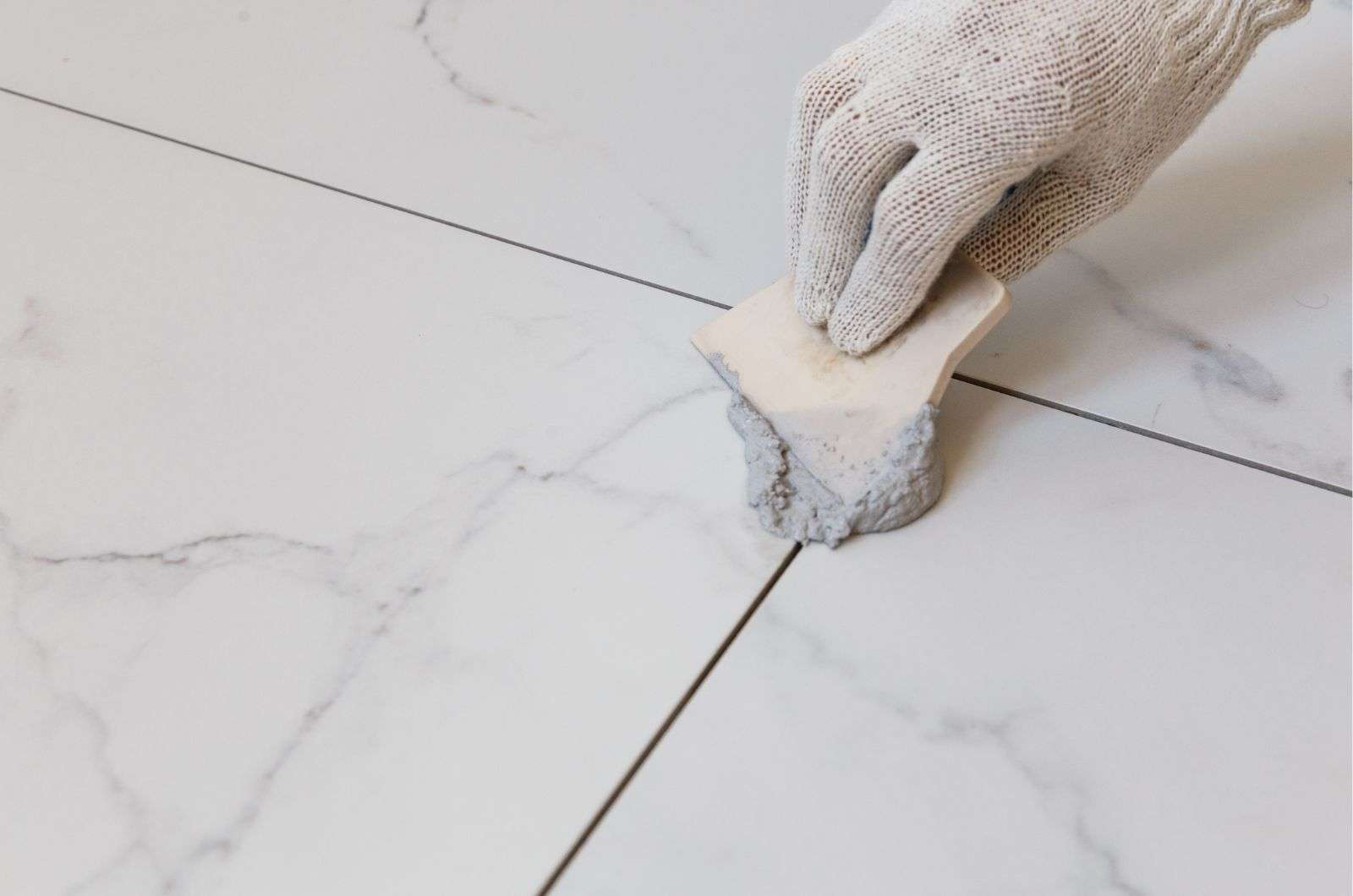
Common Mistakes & Things to Avoid
Even with the best intentions, grout cleaning can go wrong if you’re not careful. Using the wrong products or skipping essential steps can damage your grout, make cleaning less effective, or create more work in the long run. Being mindful of these common pitfalls will help you protect your tiles and maintain fresh-looking grout for longer.
- Avoid using vinegar or lemon juice on natural stone or unsealed grout as these acidic solutions can etch or damage the surface.
- Do not rely on harsh bleach or abrasive cleaners regularly, since they can gradually wear down grout and weaken its structure.
- Always dry and consider sealing your grout after cleaning, because leaving it wet or unprotected makes it vulnerable to stains, mould, and mildew immediately.
- Address small stains as soon as you notice them. Ignoring them allows dirt and grime to build up, which makes cleaning more difficult later on.
- Test any new cleaner on a small, inconspicuous area first, especially if you are unsure of your tile or grout type. This ensures the product is safe and prevents accidental damage.
By keeping these tips in mind, you can avoid common mistakes and extend the life of your grout while keeping your tiles looking their best.
How Often Should You Clean Grout
Grout maintenance doesn’t have to be overwhelming, but keeping a consistent schedule makes a huge difference in how your tiles look and last. The frequency depends on the area, the level of use, and whether your grout is sealed. Understanding the right routine helps prevent heavy build-up and keeps your grout looking fresh.
- For high-traffic floor tiles, such as entryways or kitchens, aim for a thorough grout cleaning about once a month, with light wipe-downs or spot cleaning on a weekly basis.
- Shower walls and floors typically require more frequent attention due to constant moisture, soap residue, and mineral deposits that can accumulate quickly.
- Once grout is properly sealed, upkeep becomes much easier. Regularly wipe down tiles, use a mild detergent when needed, and try to keep surfaces as dry as possible to prolong cleanliness and protect the grout.
- Consistent maintenance prevents those moments when grout suddenly looks dark and dirty again, saving time and effort in the long run.
Bonus Tip to Help You Shine
Even after a deep clean, a few smart habits and tricks can make grout care easier and help your tiles stay spotless for the long haul.
- Use micro-brush attachments: For tight grout lines, a small brush attachment for a drill or powered tool can make cleaning quicker and more effective. Just be sure your tiles and grout are suitable for this type of tool to avoid damage.
- Keep humidity in check: In moisture-prone spaces like bathrooms, use a dehumidifier or improve ventilation. Controlling humidity reduces mould growth and keeps grout cleaner for longer.
- Control foot traffic: In high-traffic areas or open-plan homes, try setting up shoe-free zones or placing mats near entrances. This simple step helps keep dirt and grime from being tracked onto your tile floors.
- Use a maintenance calendar: Create a cleaning schedule that highlights high-risk areas such as kids’ bathrooms or mudrooms. Aim for a deeper clean in those zones every few months to stay ahead of build-up.
- Know when to refresh: If your grout still looks patchy or stained even after cleaning, consider using a colour-enhancing sealer or re-grouting altogether. Sometimes, cleaning alone cannot fix deep damage, and a refresh gives your tiles a like-new finish.
When to Call a Cleaning Specialist
If you begin to notice mould forming behind tiles, visible discolouration, or grout that’s starting to crack or crumble, it’s often a sign that regular cleaning isn’t enough. At that point, professional cleaners can step in to tackle what routine scrubbing can’t. They use specialised equipment and techniques to deep clean grout, remove embedded dirt and mildew, and even re-grout areas that have started to deteriorate.
Consistent maintenance, however, can help prevent these issues from developing in the first place. With regular cleaning through our premium house cleaning service, your tiles stay cleaner for longer and grout build-up becomes much easier to manage. Keeping up with a steady cleaning routine not only saves time and effort but also helps protect the look and longevity of your tiled surfaces. If you’re ready to make upkeep effortless, our team is here to help.
Key Takeaways
To make it super actionable, here’s a quick recap:
- Identify your tile and grout type so you can choose the safest and most effective cleaning method.
- Prep the area properly, apply the right cleaner or paste, and rinse and dry thoroughly to avoid residue and future stains.
- Seal the grout after cleaning to create a barrier against dirt, moisture, and stains, making future maintenance much easier.
- Implement simple upkeep strategies like regular wipe-downs, quick spot-cleaning, and ventilation to reduce the frequency of heavy cleaning.

Latest Blogs