Shower floors often collect soap scum, mould, and mineral buildup, leaving tiles dull and slippery. Keeping them clean not only restores their shine but also prevents stains and slip hazards. If you’ve been wondering the best methods for how to clean shower tiles, this guide will walk you through safe, effective steps to get your shower floor sparkling again.
Why Cleaning Shower Floor Tiles Regularly Matters
Regular cleaning of your shower floor tiles is more than just a cosmetic task. It helps prevent mould and mildew from building up, keeping your bathroom healthier. Consistent care also protects grout from discolouring or weakening, reduces unpleasant odours, and lowers the risk of slips. Over time, regular maintenance extends the lifespan of your tiles and ensures your shower stays hygienic and safe for daily use.
What You’ll Need Before Cleaning Shower Floor Tiles
Before you start cleaning shower floor tiles, it’s important to gather the right tools and products to make the job easier and safer for your surfaces:
- Tile-safe cleaner or vinegar solution – gentle yet effective for soap scum and mineral deposits
- Baking soda or grout paste – perfect for scrubbing grout lines and tough stains
- Scrub brush or old toothbrush – for reaching corners and grout
- Microfibre cloth or sponge – for wiping and polishing
- Bucket of warm water – for rinsing and diluting cleaners
- Rubber gloves and mask – protect your skin and avoid inhaling fumes
Pro tip: Avoid harsh acids or metal brushes as these can scratch or damage your tile glaze and grout.

Step-by-Step: The Best Way to Clean Shower Tiles and Grout
Cleaning your shower floor thoroughly requires the right approach to remove grime, soap scum, and mineral deposits without damaging tiles or grout. Follow these steps for the best way to clean shower tiles:
Step 1 – Rinse and Remove Loose Debris
Begin by rinsing the entire shower floor with warm water. This softens stuck-on soap scum, loosens dirt, and helps remove hair or loose debris. A good rinse ensures your cleaning solution works more effectively, rather than sitting on dry grime.
Step 2 – Apply Your Cleaning Solution
For a natural, safe option, make a paste of baking soda and water or mix white vinegar with water. Apply it to tiles and grout, focusing on areas with visible stains or mould. For tougher buildup, use a commercial tile cleaner designed for shower floors, following the manufacturer’s instructions. Let the solution sit for a few minutes to break down grease and soap scum.
Step 3 – Scrub the Tiles and Grout
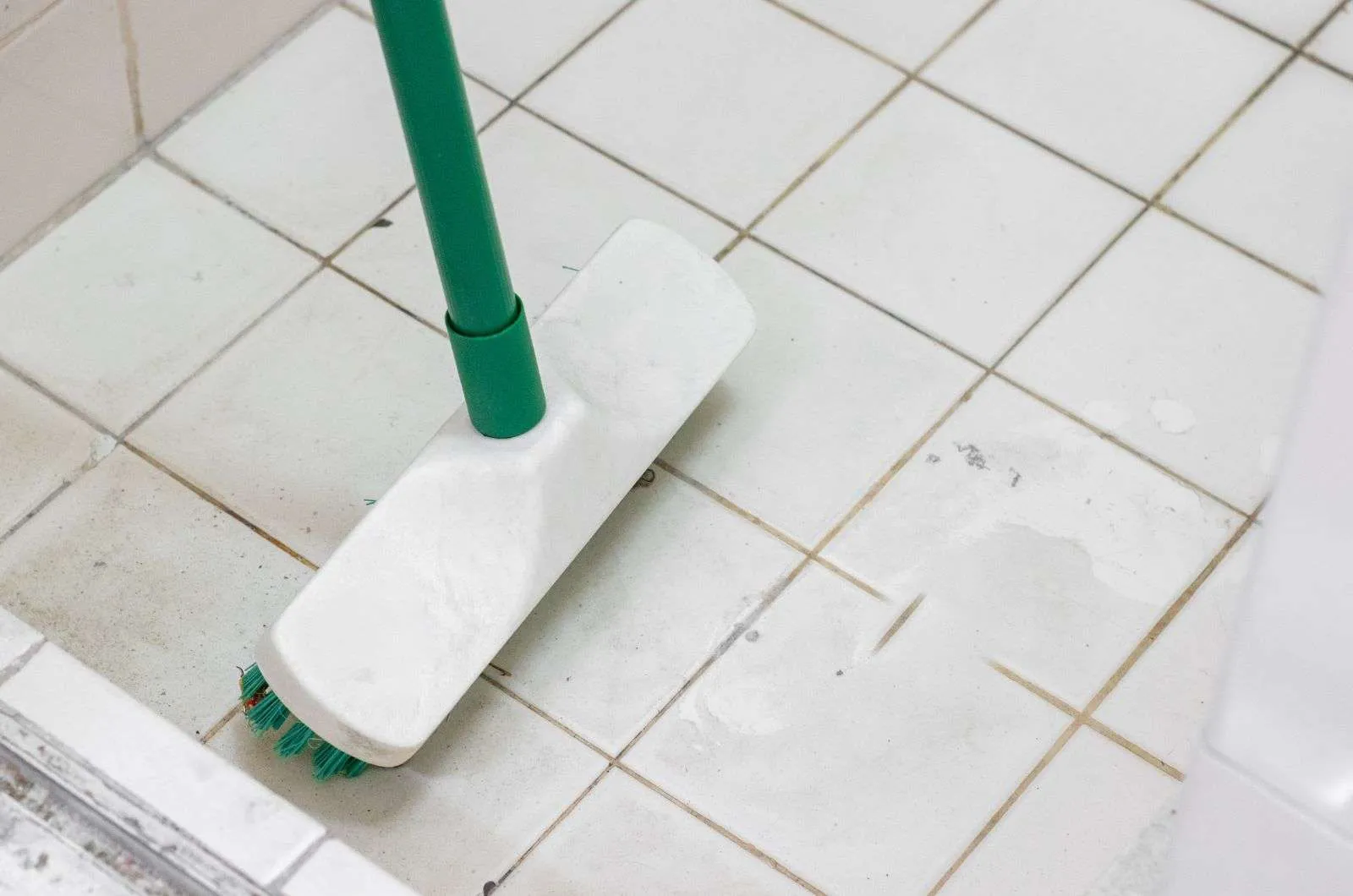
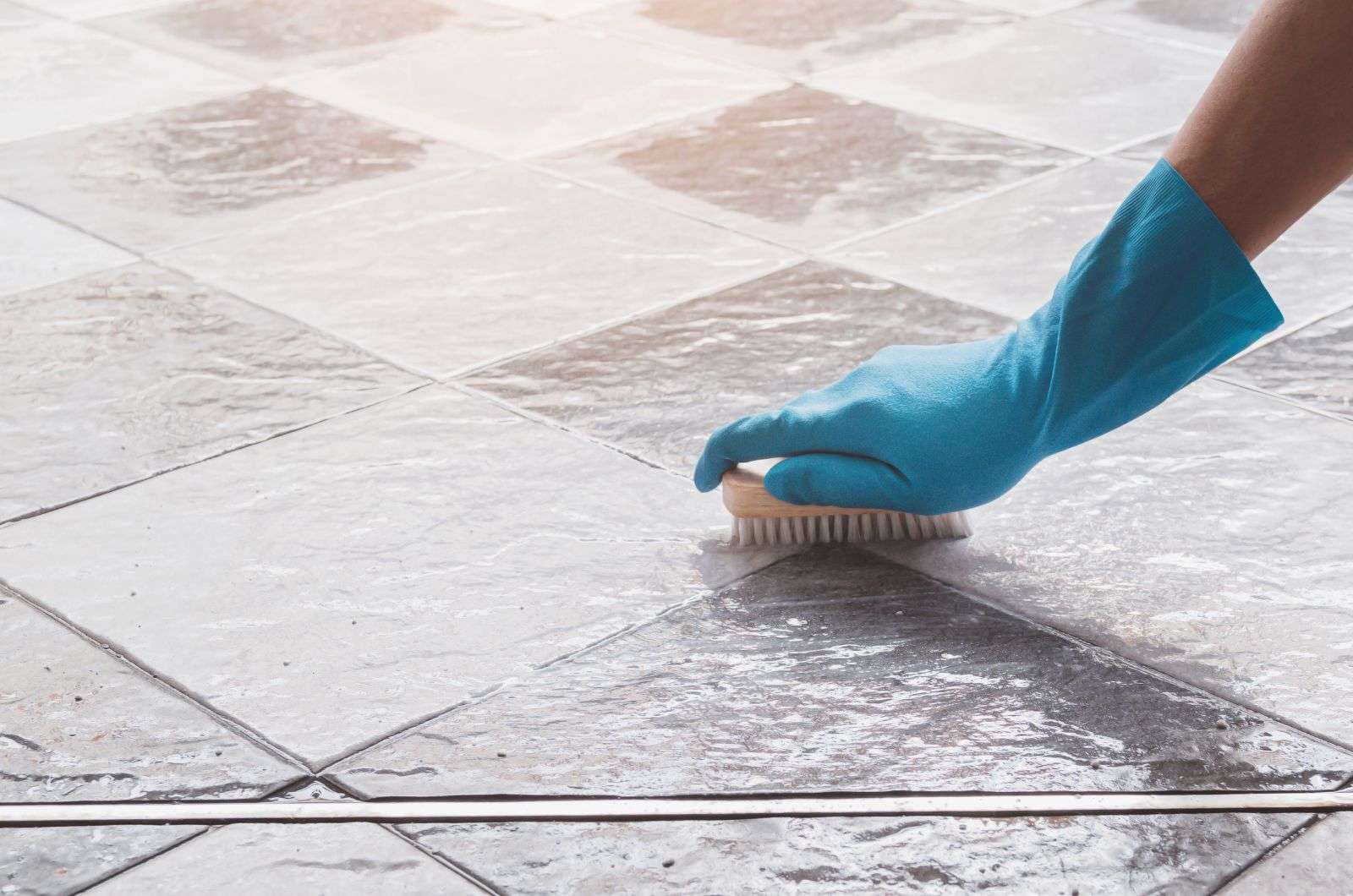
Use a grout brush, small scrubbing brush, or old toothbrush to scrub tiles and grout lines. Work in circular motions, targeting corners and edges where grime accumulates. Be gentle on grout to avoid wear, but firm enough to remove mold, mildew, and mineral deposits.
Step 4 – Rinse Thoroughly
After scrubbing, rinse the floor with clean water. Make sure all cleaning solutions and loosened debris are washed away. Leaving residue behind can make tiles slippery or dull the finish. Use a handheld showerhead if possible to reach all corners.
Step 5 – Dry and Polish
Finally, dry the shower floor with a microfibre cloth or sponge. This prevents water spots and streaks while giving your tiles a polished look. Drying also helps reduce the risk of mould and mildew returning, keeping your shower floor hygienic and safe.
Natural Remedies for Cleaning Shower Floor Tiles
Using natural cleaning solutions is a safe and effective way to tackle grime on your shower floor tiles without harsh chemicals. Here are some of the best options:
- Baking Soda Paste – Mix baking soda with a little water to create a paste. Apply it to deep stains and grout lines and scrub gently to lift stubborn dirt.
- White Vinegar Spray – A vinegar and water solution works well for soap scum, mould, and mineral deposits. Spray on the tiles, let it sit for a few minutes, then scrub and rinse.
- Lemon Juice – Natural lemon juice helps deodorise and add shine to your tiles. Its mild acidity can also help dissolve light soap scum.
- Hydrogen Peroxide – Ideal for whitening grout, hydrogen peroxide can remove mould and stubborn stains safely when used carefully.
✅ Note: Always spot test natural cleaners on a small, hidden area first to ensure they don’t damage your tiles or grout.
Common Mistakes to Avoid When Cleaning Shower Floors
Cleaning your shower floor tiles seems straightforward, but small errors can damage tiles, grout, or your health. Avoid these common mistakes:
- Using bleach and vinegar together – This combination produces toxic fumes and can be dangerous.
- Over-scrubbing grout lines – Excessive scrubbing can erode grout and weaken tiles.
- Leaving cleaner residue behind – Residue can cause slippery surfaces and attract more dirt.
- Forgetting to ventilate the bathroom – Proper airflow prevents mould growth and reduces exposure to fumes.
Following these tips ensures your cleaning shower floor tiles routine is both safe and effective.
How to Prevent Future Buildup on Shower Floor Tiles
Keeping your shower floor tiles looking clean and fresh is easier when you adopt simple habits:
- Wipe tiles dry after each use – Removes excess water that can lead to soap scum and mineral deposits.
- Use a squeegee – Quickly removes water from tiles and grout, preventing streaks and water spots.
- Keep the bathroom well-ventilated – Open windows or use an exhaust fan to reduce humidity, which slows mould and mildew growth.
- Clean weekly – Regular light cleaning prevents grime from building up, making deep cleans easier and less frequent.
These simple steps help maintain a safe, hygienic, and sparkling clean shower floor.
DIY vs Professional House Cleaning
When it comes to keeping your bathroom and shower areas spotless, DIY cleaning works well for regular upkeep, but there’s a limit to what basic scrubbing can achieve. Over time, soap scum, mineral buildup, and hidden mould can settle into corners and grout, making them difficult to clean completely.
Professional house cleaners bring the right tools, products, and experience to deep clean every surface safely and effectively. They use eco-friendly solutions that remove grime and bacteria without damaging your tiles or grout. What might take you hours of scrubbing can be handled quickly and thoroughly by professionals, leaving your bathroom looking fresher and more hygienic for longer.
Book a Professional Cleaning with Clean4You
If you want your bathroom and shower to stay sparkling and fresh all year round, booking a professional house cleaning with Clean4You is a smart choice. Our experienced cleaners know how to tackle grime, soap scum, and hidden dirt in every corner of your home, including those hard-to-reach shower floors and tiles.
We use safe, eco-friendly cleaning products that are tough on dirt yet gentle on your home and the environment. Whether you need a regular cleaning schedule or a deeper seasonal refresh, our team makes it easy to maintain a clean, hygienic space without the stress of doing it yourself.
With services available across Sydney, Perth, Adelaide, Newcastle, and many more, you can keep your home looking its best with ease.
Frequently Asked Questions

Latest Blogs