Grease build-up on kitchen cabinets isn’t just ugly; it traps dust, smells bad, and can even attract bacteria. In many Australian homes, cooking styles like BBQs and oil-heavy stir-fries make the problem worse. Over time, that sticky layer of grime becomes harder to clean and dulls your cabinet surfaces. Regular cleaning keeps your kitchen looking fresh, hygienic, and easier to maintain. If you searched for “How to clean kitchen cabinets grease”, you’ve landed on the perfect blog.
Why Grease Builds Up on Kitchen Cabinets
When you cook, tiny oil and fat particles rise with the steam. Over time, they settle on nearby surfaces, especially cabinets above or beside the stove. These particles mix with dust and moisture in the air, forming that sticky film everyone dreads.
In kitchens, humidity and limited ventilation make the problem worse. Steam from cooking gets trapped, allowing grease to cling even tighter. Without regular cleaning, this buildup not only spoils your kitchen’s look but can also harbour bacteria and shorten the lifespan of your cabinets.
How Often Should You Clean Kitchen Cabinets
For most homes, a weekly wipe-down keeps grease and dust under control. Use a damp cloth to remove light buildup before it turns sticky. Every two to three months, plan a deep clean to target the tougher grime around handles, hinges, and rangehood areas.
If you cook often, especially high-heat frying or BBQ-style meals, you’ll need to clean more frequently. Open-plan kitchens and homes with pets also tend to collect more airborne particles, so surfaces get greasy faster.
For renters, regular cabinet cleaning helps meet rental inspection standards, while homeowners can avoid long-term damage and costly resurfacing by staying consistent with maintenance.

What You’ll Need Before You Start
Gather your cleaning gear before tackling greasy cabinets. It’ll make the job faster and easier.
Here’s your checklist:
- Microfibre cloths and non-abrasive sponges for gentle scrubbing
- Dish soap, white vinegar, and bicarb soda for natural degreasing
- Eco-friendly degreaser (look for trusted Australian brands like Koala Eco or Earth Choice)
- A bucket of warm water for rinsing
- Optional: a light cabinet polish to restore shine and protect wooden finishes
For tough or delicate surfaces, remember that professional cleaners use pH-balanced products designed to remove grease without damaging cabinet coatings.
Step-by-Step: How to Remove Grease from Kitchen Cabinets
Keeping your kitchen clean and grease-free doesn’t have to be hard. Here’s a simple step-by-step guide to removing grease from your kitchen cabinets:
Step 1 – Wipe off loose dust and residue
Start by using a dry microfibre cloth to remove any dust or crumbs. This prevents smearing once moisture is added.
Step 2 – Mix your cleaning solution.
For light grease, combine a few drops of dish soap with warm water. For tougher grime, mix equal parts white vinegar and bicarb soda into a gentle paste.
Step 3 – Apply and let it sit
Dampen your cloth or sponge with the solution and apply it to the greasy areas. Let it sit for 3–5 minutes so the cleaner can break down the buildup.
Step 4 – Scrub gently
Use small circular motions to lift the grease. Skip abrasive pads; they can scratch wood, laminate, or painted finishes.
Step 5 – Rinse and dry thoroughly.
Wipe with a clean, damp cloth to remove residue, then dry completely to prevent water spots or wood swelling.
How to Clean Different Cabinet Materials
Not all kitchen cabinets are made the same, and neither is the way you should clean them. Each material reacts differently to moisture, heat, and cleaning agents, so using the right method helps you avoid damage while keeping everything spotless. Here’s how to properly clean and care for different cabinet types:
Laminate Kitchen Cabinets
Laminate cabinets are common in modern kitchens because they’re tough and easy to wipe down. For grease removal, stick to mild dish soap and warm water. Apply with a soft sponge or cloth and rinse thoroughly. Avoid harsh chemicals, ammonia-based cleaners, or abrasive pads, as they can damage the surface or fade the print over time. For stubborn spots, a gentle paste of bicarb soda and water works well without scratching.
Painted Kitchen Cabinets
Painted cabinets require careful handling to maintain their finish. Use a soft cloth and a diluted cleaning solution, for example, a few drops of dish soap in warm water. Wipe gently, focusing on greasy patches, and dry immediately to prevent streaks or water marks. Pay extra attention to edges and corners where paint may chip if scrubbed too hard.
Wooden Kitchen Cabinets
Wooden cabinets need a balance between effective cleaning and protecting the natural material. Always wipe along the grain to avoid scratching. Use minimal water; excess moisture can warp the wood or lift stains. After cleaning, apply a wood-safe polish or oil to restore shine, nourish the surface, and add a protective layer against future grease build-up.
Gloss or Acrylic Kitchen Cabinets
Glossy or acrylic cabinets look sleek but are prone to smudges, fingerprints, and scratches. Use a microfibre cloth only with a mild cleaning solution or warm water. Avoid abrasive pads, powders, or harsh chemicals, as they can dull or scratch the finish. After cleaning, buff lightly with a dry microfibre cloth to maintain the high-gloss, reflective surface.
These methods ensure each type of cabinet stays clean, protected, and long-lasting, while tackling grease without damaging the surface.
Natural Remedies to Cut Through Grease
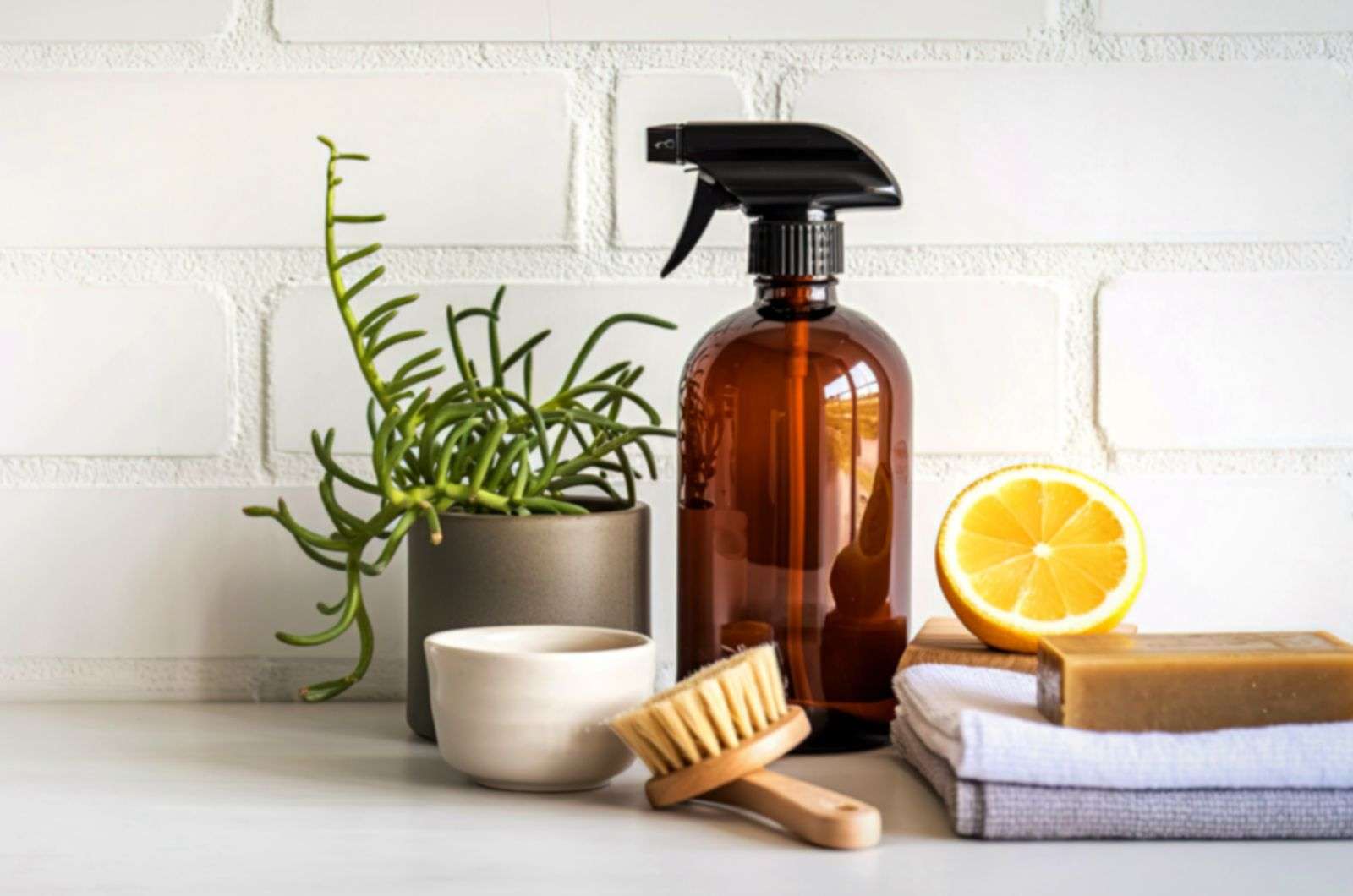
If you prefer eco-friendly solutions, several natural ingredients work surprisingly well on kitchen cabinet grease:
- White vinegar spray: Mix equal parts water and white vinegar in a spray bottle. Use it for everyday cleaning to dissolve light grease and remove odours.
- Bicarb soda paste: Combine bicarb soda with a little water to form a paste. Apply to stubborn corners or spots and gently scrub to lift grease without damaging the surface.
- Lemon oil: Lemon oil not only helps cut grease but also leaves cabinets smelling fresh and adds a natural shine, especially on wood surfaces.
Tips💡: Always spot test first on an inconspicuous area to make sure the solution won’t discolour or damage your cabinet finish.
Common Grease Cleaning Mistakes to Avoid
Cleaning kitchen cabinets might seem straightforward, but a few common mistakes can cause more harm than good:
- Using harsh chemicals: Strong solvents or bleach can strip paint, damage laminate, or dull finishes.
- Over-wetting wood or MDF panels: Excess moisture can warp or stain these materials, leading to costly repairs.
- Forgetting handles and edges: Grease often builds up around knobs, handles, and cabinet corners. Skipping these areas leaves surfaces sticky and unhygienic.
- Mixing incompatible cleaners: Combining products like bleach and vinegar can create harmful fumes and reduce cleaning effectiveness.
Avoiding these mistakes keeps your cabinets clean, safe, and long-lasting.
Prevent Cabinet Grease Build-Up: Smart Kitchen Habits
Keeping your cabinets grease-free is easier when you adopt a few simple habits:
- Wipe cabinets weekly: Focus on areas near the cooktop where grease tends to accumulate first.
- Use lids and splatter guards: These reduce oil splatter while frying, keeping both your stovetop and cabinets cleaner.
- Keep your rangehood filters clean: A properly functioning rangehood captures grease before it settles on surfaces.
- Improve airflow and ventilation: Open windows or use an exhaust fan to reduce humidity and airborne grease in your kitchen.
For more tips on keeping grease at bay, check out our guide on [How to Clean Your Rangehood] to improve ventilation and prevent buildup.
When to Call the Professionals
Sometimes DIY cleaning isn’t enough to keep your home truly spotless and hygienic. Consider calling in the experts if you notice:
- Heavy dirt or tough stains: Areas that are difficult to clean on your own or require special care.
- Post-renovation or end-of-lease cleaning: Dust, debris, and leftover grime often need a professional touch.
- Busy households: If you don’t have time for regular deep cleans, a professional service ensures your home stays fresh and well-maintained.
Clean4You provides professional house cleaning across Australia, offering flexible add-ons such as kitchen grease or rangehood cleaning to suit your needs.
Book a service today and let our team handle the hard work, so your home stays clean, safe, and comfortable.

Latest Blogs