TL;DR
End-of-lease cleaning, commonly called a bond clean, is the thorough cleaning of a rental property before you hand back the keys. Australian tenancy laws require tenants to leave the property in the same condition it was in at the start of the tenancy, allowing for fair wear and tear. This checklist covers every room and area property managers inspect, including the kitchen, bathrooms, bedrooms, living areas, and outdoor spaces. It also covers what extras maximise your bond refund, how to document your clean, and when hiring a professional cleaner is the smarter choice.
End-of-lease cleaning is the final thorough deep clean a tenant must carry out before vacating a rental property. It goes well beyond regular cleaning and covers areas like inside the oven, window tracks, exhaust fans, grout lines, and skirting boards.
In Australia, each state and territory has its own residential tenancy legislation, but all share the same core obligation: tenants must return the property in a reasonably clean condition, consistent with the state it was in at the start of the lease. Under the NSW Residential Tenancies Act 2010, for example, tenants must leave the premises in the same condition as documented in the ingoing condition report, fair wear and tear excepted.
Failing to meet the required standard is one of the most common reasons landlords and property managers make a claim against the bond. Getting the clean right the first time protects your deposit and avoids dispute applications with your state's tenancy authority.
Understanding Fair Wear and Tear vs. Damage
Before you start cleaning, it is important to know what you are and are not responsible for.
- Fair wear and tear refers to the natural deterioration of a property through ordinary, day-to-day use. Examples include minor scuffs on walls from furniture, faded paintwork, or small carpet indentations from furniture legs. You are generally not required to restore these.
- Tenant damage refers to anything beyond normal use: stains on carpet, large holes in walls, broken tiles, or heavily soiled surfaces. These are your responsibility to repair or clean before vacating.
If you are unsure where the line falls, compare the property's current state against your ingoing condition report or entry report. This document is your single most important reference point throughout the whole process.
Step 1: Read Your Lease Agreement and Ingoing Condition Report
Before picking up a sponge, do two things:
- First, re-read your lease agreement. Some tenancy agreements include specific cleaning clauses, such as a requirement for professional carpet steam cleaning or pest control at the end of the tenancy. If those clauses exist and are lawful under your state's legislation, you are obligated to comply.
- Second, pull out your ingoing condition report. This is the document signed at the start of your tenancy that records the property's condition, including any existing marks, stains, or damage. Use it room by room as your benchmark.
Step 2: Plan and Prepare Before You Start
Good preparation makes the actual cleaning faster and less stressful.
- Start at least two weeks before your move-out date. Booking professional carpet cleaners or window cleaners often requires a few days' lead time, and many services fill up around popular moving dates.
- Gather the right cleaning products. The following products will handle most surfaces and stains you will encounter during a bond clean:
- Sugar soap is your go-to for walls, skirting boards, bench tops, and stubborn grease. It cuts through grime without damaging painted surfaces.
- White vinegar works well on glass, mirrors, tiles, drains, and wooden floors. It removes bacteria and light mineral deposits.
- Citric acid removes soap scum, hard water stains, calcium deposits, and rust from taps and shower fittings. Do not use it on brass or natural stone surfaces.
- Oven cleaner or degreaser is essential for the inside of the oven, rangehood, and stovetop.
- Grout cleaner restores tile grout in bathrooms and kitchens.
- Work from top to bottom and from back to front. Clean ceilings, light fittings, and fans first, then walls, then surfaces, and floors last. This way, dust and debris fall onto surfaces you have not yet cleaned. Tackle the kitchen and bathrooms first because they take the longest.
- Take photographs throughout the process. Dated photos of each room before, during, and after cleaning create a clear record in case any disputes arise later.
The Complete End-of-Lease Cleaning Checklist: Room By Room
Once the basics of preparation and expectations are clear, the next step is a room-by-room approach to ensure nothing is missed during the final inspection. This breakdown follows the same order property managers use during checks, making it easier to stay organised and cover every detail that can affect your bond.
Kitchen
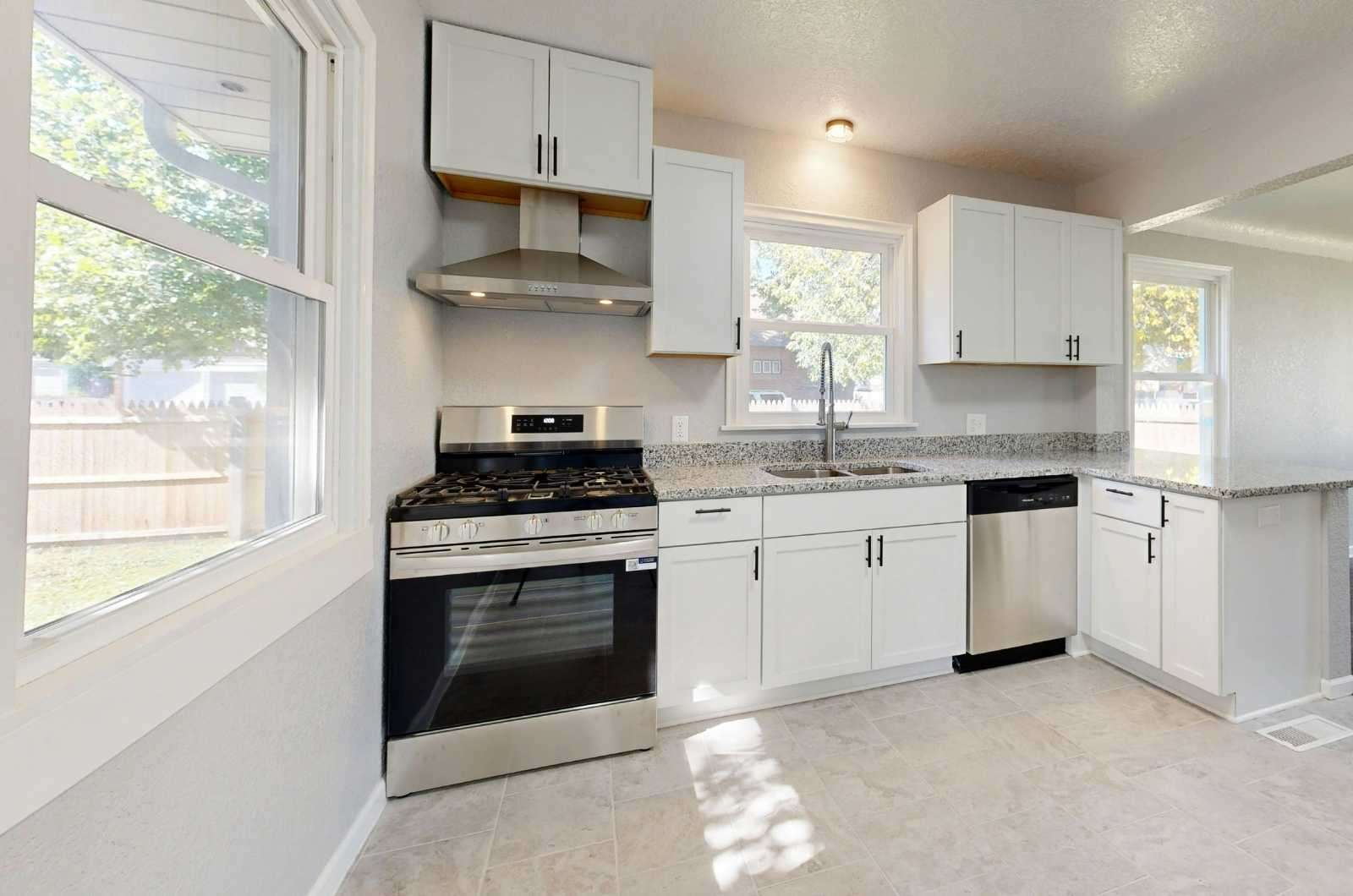
The kitchen receives the closest scrutiny from property managers because cooking grease and food residue build up quickly.
- Oven and cooktop: Clean the oven inside and out, including the racks, door glass, and seals. Remove stovetop grates, burners, and knobs where possible and soak them separately. Degrease the cooktop surface thoroughly.
- Rangehood: Wipe down the exterior and remove and clean the grease filters. Many filters can be soaked in hot soapy water or run through the dishwasher.
- Sink and taps: Remove calcium build-up from taps using citric acid. Scrub the sink basin and clean inside the drain. Wipe the underside of the sink and cabinet below it.
- Bench tops and splashback: Remove all stains from bench tops. If the splashback is tiled, use a grout cleaner on the grout lines. Wipe down the area between the bench and the wall.
- Cupboards and drawers: Empty completely and wipe inside all cupboards, drawers, and shelves, including the top of wall-mounted cupboards where dust accumulates.
- Fridge and dishwasher (if supplied): Pull the fridge away from the wall and clean behind and underneath it. Wipe the inside, including shelves and the seal. Clean the dishwasher interior and filter.
- Windows, sills, and tracks: Clean windows inside and out. Wipe sills and clear debris from window tracks.
- Floors: Sweep or vacuum, then mop with a suitable floor cleaner, paying extra attention to grease build-up near the stove.
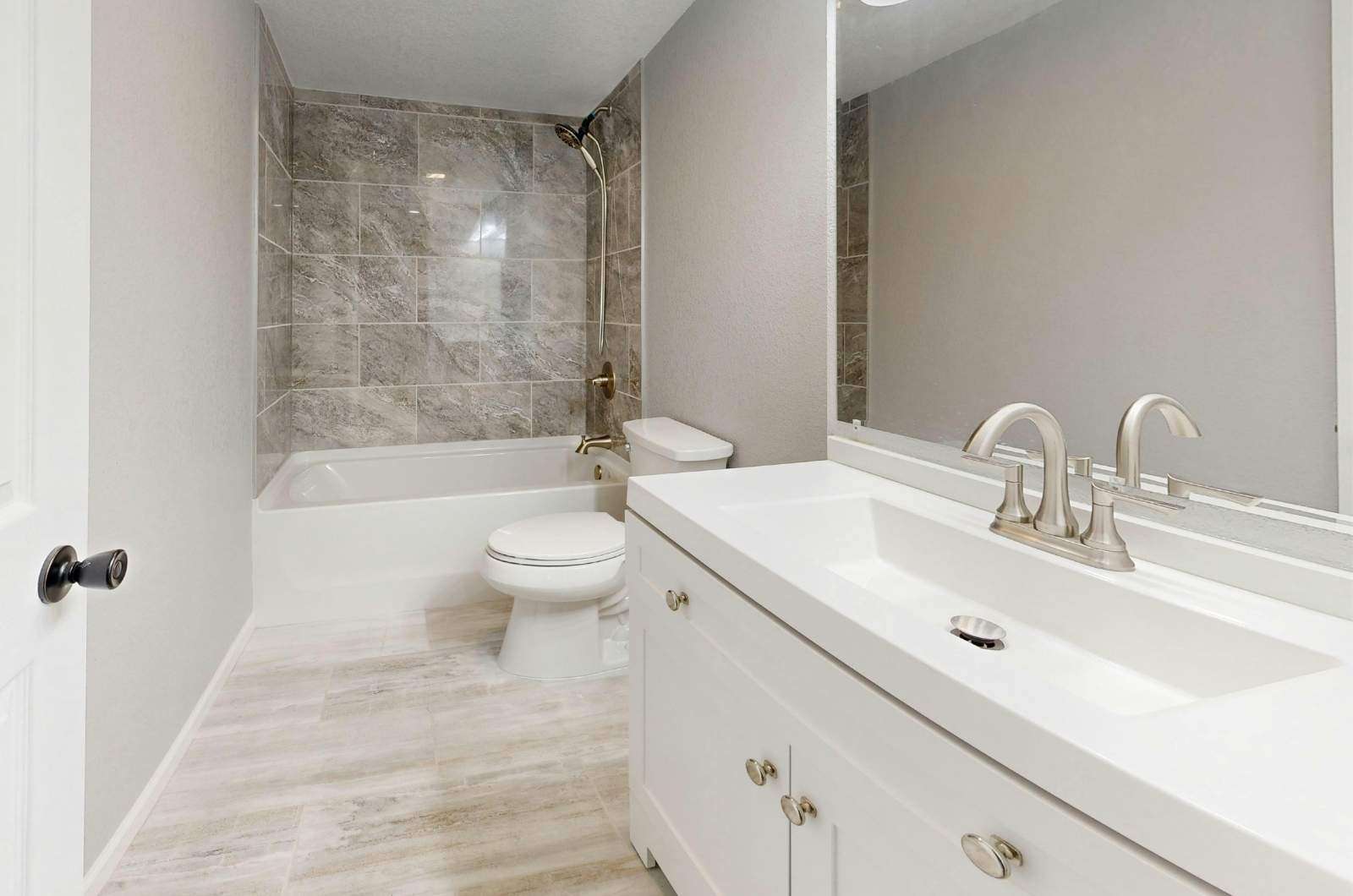
Bathrooms and Toilets
Bathrooms need to be visibly hygienic and free from soap scum, mould, and staining.
- Shower: Scrub shower screens to remove soap scum and water stains. Use a grout brush on tile grout to remove mould. Clean the showerhead, taps, and any soap holders or rails.
- Bathtub: Scrub the tub, paying attention to the waterline and drain area. Clear the drain of any hair or debris.
- Toilet: Clean the inside of the bowl, under the rim, the outside of the cistern, the seat and lid, and the base of the toilet where it meets the floor.
- Vanity and mirrors: Polish mirrors to remove smear marks. Wipe down the vanity surface, inside drawers, and below the sink. Clean the taps and remove any limescale.
- Exhaust fan: Remove the cover and clean the fan blades and grille. A build-up of dust in the exhaust fan is a common inspection fail.
- Walls and tiles: Spot clean walls to remove marks. Pay attention to grout lines between tiles.
- Floors: Mop with a disinfectant cleaner.
Bedrooms
- Wardrobes and built-ins: Wipe inside all shelves, hanging rails, and drawers. Clean the tracks of sliding wardrobe doors.
- Walls: Spot clean with sugar soap to remove scuff marks, adhesive residue from hooks or Blu-Tack, and any handprints.
- Skirting boards: Wipe all skirting boards with a damp cloth.
- Windows, blinds, and curtains: Clean windows inside and out. Dust venetian blinds individually with a damp cloth. Fabric curtains may require dry cleaning or machine washing, depending on the material. Check your ingoing report to see what condition they were in originally.
- Light fittings and ceiling fans: Wipe fan blades and clean light fixtures. Replace any blown globes.
- Carpets: Vacuum thoroughly. If carpet steam cleaning is required by your lease or if there are stains, book a professional carpet cleaner. Many property managers will request a professional steam clean receipt as evidence.
Living Areas and Dining Rooms
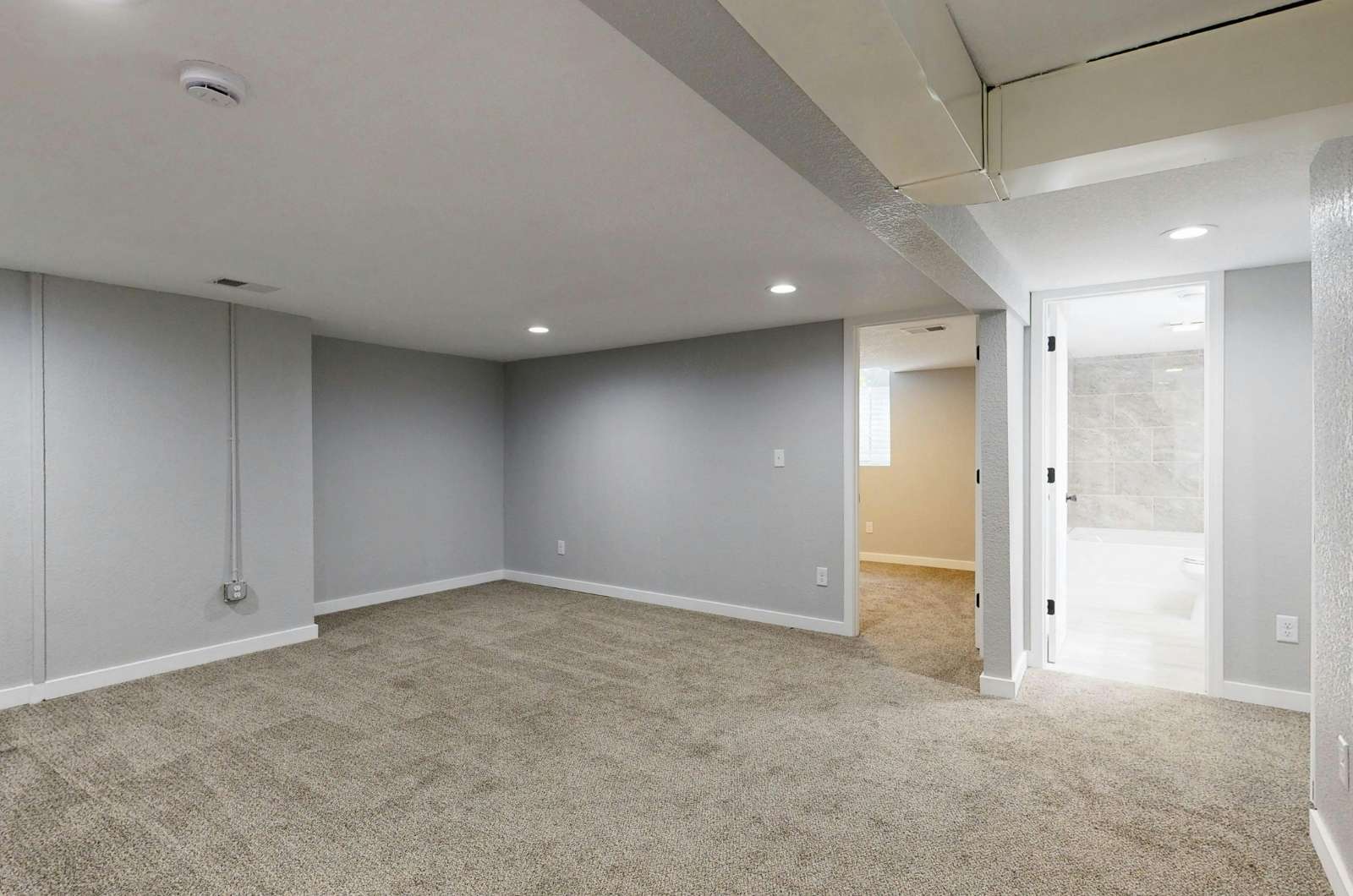
- Walls and doors: Use sugar soap to remove marks. Wipe door frames, handles, and the top of door frames where dust collects.
- Light switches and power points: Wipe with a lightly damp cloth to remove fingerprints and grime.
- Skirting boards and air vents: Wipe all skirting boards and any air conditioning vents or return air grilles.
- Windows and blinds: Same standard as bedrooms: clean glass, tracks, and sills, and dust or wash blinds.
- Hard floors: Sweep or vacuum and mop.
- Carpets: Vacuum and steam clean if required.
Entryways and Hallways
- Floors: Sweep and mop, or vacuum if carpeted.
- Walls and skirting boards: Wipe down and remove marks.
- Light fittings: Clean fixtures and replace blown globes.
- Front door: Wipe the door, frame, and door handle inside and out. Clean the security screen if present.
Laundry
- Washing machine (if supplied): Run a cleaning cycle. Wipe the drum, lid or door seal, and detergent drawer.
- Tub and taps: Clean the laundry tub and taps.
- Dryer filter: Clean the lint filter.
- Shelves and cupboards: Wipe inside and out.
- Floor: Sweep and mop.
Outdoor Areas, Garage, and Balconies
Many tenants overlook outdoor areas, but property managers inspect them too.
- Balcony or patio: Sweep or mop the floor surface. Remove cobwebs from eaves and railings.
- Garden and lawn: Mow the lawn, trim edges, weed garden beds, and remove any dead plants or debris you have introduced during the tenancy.
- Garage: Remove all personal belongings and rubbish. Clean any oil or grease stains from the floor. Wipe cobwebs and clean the garage door on both sides.
- Pool or spa (if applicable): Ensure the water is clean and the pool or spa surrounds are free from debris and staining. Check with your property manager about water chemistry standards if a pool is included in the tenancy.
- Rubbish bins: Empty, wash, and dry all bins.
Additional Services That Help Secure Your Full Bond
A thorough DIY clean covers the basics, but some areas may benefit from professional attention, especially if the property has not been cleaned deeply in a while.
- Professional carpet steam cleaning removes embedded dirt, allergens, and stains that vacuuming alone cannot. Many agents specifically request a receipt from a licensed carpet cleaner.
- Pressure washing is effective for driveways, outdoor pavers, paths, and rendered walls.
- Wall washing is worth considering if there are widespread marks or scuffs throughout the property.
- Professional blind cleaning addresses fabric and venetian blinds that have accumulated significant dust or staining.
- Pest control may be required by your lease, particularly in properties where pets have been kept.
The Administrative Steps Alongside Your Clean
Cleaning is only part of what you need to do before you hand back the keys.
- Pay all rent up to your final day of tenancy, even if you move out a few days early.
- Repair any damage that goes beyond fair wear and tear before the inspection, not after.
- Remove all personal belongings from the property, including items in garden sheds, garages, and storage spaces.
- Return all keys and access devices provided at the start of the tenancy.
- Attend the outgoing inspection with your property manager if possible. Being present allows you to discuss any concerns on the spot and potentially address them before they become a bond claim.
- Submit your bond refund claim through your state's bond authority once the tenancy has ended. In NSW, this is done through Rental Bonds Online via Service NSW. Landlords or agents generally have a set number of days to respond to a bond refund claim before it is automatically processed.
A Note on State-Specific Tenancy Laws
While the general obligations around end-of-lease cleaning are consistent across Australia, each state and territory has its own legislation governing bond amounts, claim processes, and specific tenant obligations. Always refer to your relevant authority:
- New South Wales: NSW Fair Trading and the Residential Tenancies Act 2010
- Victoria: Consumer Affairs Victoria and the Residential Tenancies Act 1997
- Queensland: Residential Tenancies Authority (RTA)
- Western Australia: Consumer Protection WA and the Residential Tenancies Act 1987
- South Australia: Consumer and Business Services SA
DIY Clean vs. Professional End-of-Lease Cleaning: Which Is Right for You?
Both options are valid. Here is an honest comparison to help you decide.
- DIY cleaning makes sense if you have ample time, the property is relatively small and well-maintained, and you are comfortable doing a thorough clean to inspection standard. Budget at least one full weekend for a two-bedroom apartment, and longer for larger homes.
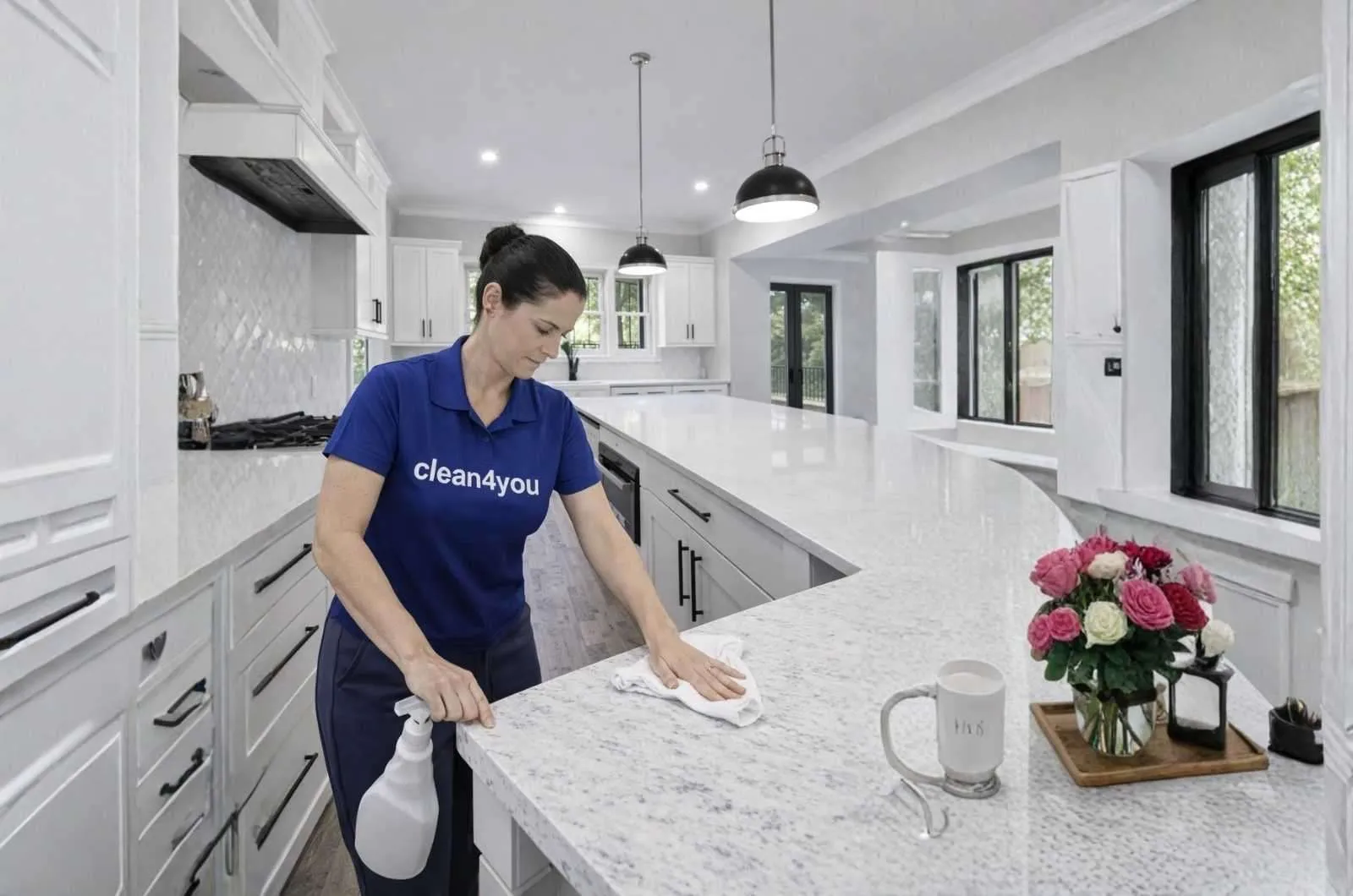
- Professional end-of-lease cleaning is worth considering if you are short on time, the property has not had a deep clean in some time, or if you want the added assurance of a bond-back guarantee. Professional cleaners work to a real estate inspection standard and know exactly what property managers look for.
Key advantages of going professional include:
- Time savings, since a team of experienced cleaners can complete in hours what might take you an entire weekend.
- Guaranteed standard, because reputable services offer a re-clean guarantee if the property manager identifies any missed areas.
- Access to commercial-grade equipment, particularly for steam cleaning, pressure washing, and removing stubborn stains.
- No stress about missed spots in high-scrutiny areas like the oven, grout, or exhaust fans.
Ready to Move Out Without the Stress?
If you would rather spend your moving weekend focused on settling into your new home instead of scrubbing grout, Clean4you provides professional end-of-lease cleaning services across Australia, including Newcastle, Sydney, Melbourne, Perth, Adelaide, Brisbane, and other major locations.
Our team cleans to real estate inspection standards and can also arrange carpet steam cleaning, blind cleaning, and other extras as part of a complete bond clean package, backed by a 100% Bond Back Guarantee.
Frequently Asked Questions

Latest Blogs