Yes, NDIS plans can cover home cleaning when it is considered a reasonable and necessary support under your individual plan. According to Supports funded by the NDIS as the official guide on the NDIS website, cleaning services are typically funded under Core Supports, specifically Assistance with Daily Living, depending on participant needs.
While it may seem straightforward at first, understanding your plan details and NDIS pricing rules can sometimes be confusing.
In simple terms, home cleaning can be funded by the NDIS, but only under specific eligibility conditions. This guide explains how cleaning support is classified, how funding works under the 2025–26 pricing arrangements, what tasks are included or excluded, and how to confirm whether your plan includes sufficient funding, based on official NDIA guidelines.
What Is NDIS and Who Does It Support?
The National Disability Insurance Scheme, known as the NDIS, is a federal government program administered by the National Disability Insurance Agency (NDIA). It was created to give Australians with permanent and significant disability the funding to access the supports and services they need to live an ordinary life.
As of 2025–26, the NDIS supports more than 760,000 Australians with approved plans, according to the latest NDIA quarterly data and scheme reporting. Each participant receives an individualised plan that allocates funding across three broad budget types: Core Supports, Capital Supports, and Capacity Building Supports.
Home cleaning sits within the Core Supports budget, which is the most flexible and most commonly used category.
To be eligible for the NDIS in the first place, a person must be an Australian citizen or permanent resident, be under 65 years of age at the time of first applying, and have a permanent disability that significantly affects their ability to participate in everyday activities.
The Golden Rule: Reasonable and Necessary
Before we get to the cleaning specifics, you need to understand the single most important principle that governs everything the NDIS funds. The NDIS will only pay for supports that are considered reasonable and necessary.
According to the NDIS Act 2013, a support must meet all of the following criteria to be considered reasonable and necessary:
- It must be related to a participant's disability.
- It must not include day-to-day living costs that are not related to the participant's disability support needs.
- It must represent value for money.
- It must be likely to be effective and beneficial to the participant.
- It must take into account informal supports already available, such as help from family members.
This is the lens through which every single funding decision is made, including whether or not a cleaner will be paid for.
So the key question is not simply "do I need a cleaner?" The real question is: "Does my disability prevent me from cleaning my home, and would a cleaning service directly support my safety, independence, and daily living?" If the answer is yes, you are likely to be eligible.
Yes, NDIS Does Fund Home Cleaning. Here Is the Proof.
The NDIS Pricing Arrangements and Price Limits 2025-26, which is the official document published annually by the NDIA, specifically lists a line item for house cleaning. Here are the exact details:
These rates represent the maximum that a registered NDIS provider can charge. Your actual provider might charge less, and that is perfectly fine. What is not allowed is charging more than these price limits.
The remote and very remote loadings exist because providers in those areas face higher travel costs and other logistical challenges. If you live in a rural or regional part of Australia, the NDIS accounts for this in the pricing.
What Budget Category Does Cleaning Come From?
This is where people often get confused, so let us be very clear. Home cleaning is funded from your Core Supports budget, specifically under Support Category 01, which is called Assistance with Daily Life.
The Core Supports budget is the most flexible part of your NDIS plan. You can generally move funding between different Core Support items as your needs change, without needing a full plan review. This makes it easier to adjust how many cleaning hours you access over the course of your plan.
Within the Assistance with Daily Life category, there are two line items that can apply to home cleaning situations, depending on how the support is being delivered:
- 01_020_0120_1_1: House Cleaning and Other Household Activities. This is the main cleaning line item and covers all routine household cleaning tasks performed by a support worker or cleaner on your behalf.
- 01_011_0107_1_1: Assistance with Self-Care Activities. This is sometimes used when cleaning support is bundled with personal care by a support worker, though cleaning is most commonly claimed under the household tasks item above.
When you are talking with a provider or checking an invoice, make sure the line item code used matches what the service actually is. Using the wrong code can cause payment issues and delays.
What House Cleaning Tasks Does the NDIS Actually Cover?
The NDIS defines cleaning support quite broadly under the household tasks category. Here is a clear breakdown of what is typically included when cleaning is approved in your plan.
General Household Cleaning
- Vacuuming carpets and rugs
- Mopping hard floors
- Dusting furniture, shelves, and surfaces
- Wiping down benches and countertops
- Cleaning windows (interior)
- Emptying and cleaning rubbish bins
Bathroom and Toilet Cleaning
- Scrubbing and sanitising toilets
- Cleaning showers, bathtubs, and tiles
- Cleaning sinks and mirrors
- Removing mould from bathroom surfaces
Kitchen Cleaning
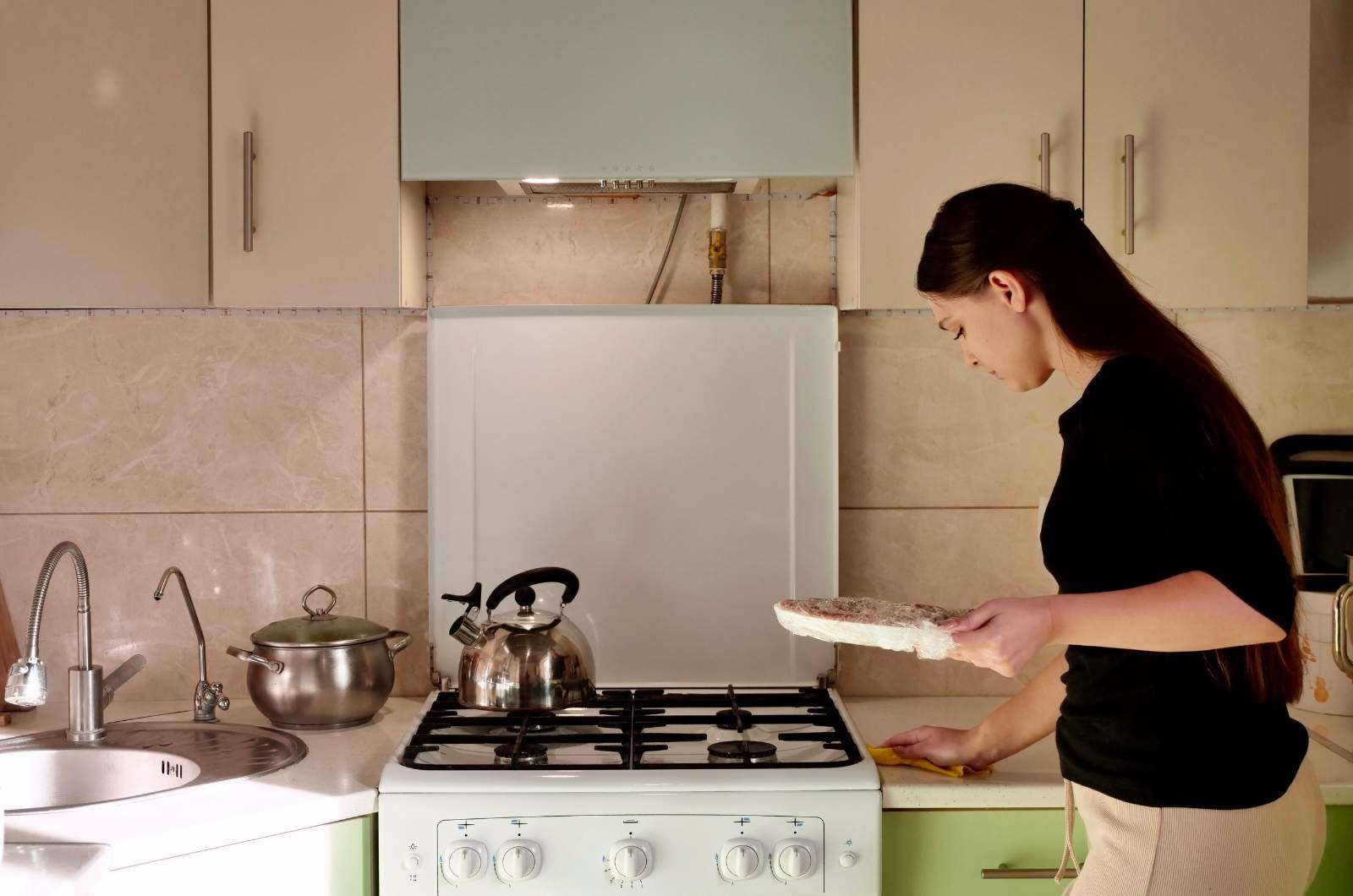
- Cleaning stovetops and ovens
- Wiping down appliances
- Cleaning the inside of the refrigerator
- Washing up dishes or loading the dishwasher
Laundry
- Washing clothes and bed linen
- Drying and folding clothing
- Changing and making beds
General Home Organisation
- Tidying and organising spaces that affect your safety or mobility
- Decluttering areas that create hazards related to your disability
All of these tasks are covered as long as they are included in your NDIS plan and are directly related to the impact of your disability. If you cannot vacuum because of mobility limitations caused by your condition, that is exactly the kind of support the NDIS is designed to fund.
What the NDIS Will NOT Cover When It Comes to Cleaning
This is just as important as knowing what is covered. The NDIS has clear rules about what does not count as a reasonable and necessary support, and getting this wrong can lead to plan spending being questioned or denied.
The NDIS will generally not fund the following in the context of home cleaning:
- Cleaning tasks in shared areas of a house when other residents without disability are capable of cleaning those areas themselves. For example, if you live in a share house, the NDIS will fund cleaning of your bedroom and your en suite bathroom, but not the communal lounge that other housemates can clean.
- Specialist trade services, such as plumbers or electricians. Even if related to maintaining your home, these are considered services that anyone, disability or not, would need to hire from time to time.
- Pest control services, which require licensed tradespeople and do not fall under household task support.
- Major renovations or repairs that go beyond the scope of domestic cleaning.
- Cleaning supplies and products themselves. The NDIS pays for the time of the support worker or cleaner, not the cost of cleaning materials. These are considered general living expenses that everyone pays for.
- Cleaning for other household members who do not have a disability. The funding is specifically to support the participant, not to run a household service for everyone living in the home.
- Outdoor cleaning tasks that are not directly related to safety, such as extensive landscaping or exterior pressure washing for aesthetic purposes.

What About Deep Cleaning? Does That Count?
This is a question that comes up regularly, and the answer is yes, with conditions.
The NDIS can fund deep cleaning when it meets the reasonable and necessary test. The key is linking the deep cleaning directly to your disability-related needs. For example, if you have been unable to maintain your home for an extended period because of a disability-related health episode, a one-off deep clean that brings the home to a safe and liveable standard can be funded before regular ongoing cleaning support takes over.
Many providers use a deep clean as a starting point, getting the home into a manageable state, after which regular weekly or fortnightly cleaning keeps it there. Both can be funded from your Core Supports budget under the household tasks line item.
However, a deep clean requested simply for aesthetic purposes, or because the participant wants a particularly thorough spring clean unrelated to any disability impact, would likely not meet the reasonable and necessary criteria.
The NDIA assesses these on a case-by-case basis, so being clear in your plan about your functional limitations and how they affect your ability to maintain your home is essential.
How Does NDIS Plan Type Affect How You Access Cleaning Services?
There are three ways your NDIS plan can be managed, and this has a real practical impact on how you access and pay for cleaning services.
NDIA-Managed (Agency-Managed)
If the NDIA manages your funds, the Agency pays providers directly on your behalf. In this case, you must use a registered NDIS provider. This means your cleaner or cleaning company must be officially registered with the NDIS Commission. Most large cleaning companies that work with NDIS participants will be registered, but many smaller or sole-trader cleaners are not. This limits your choice but provides strong consumer protections.
Plan-Managed
If you have a plan manager, they handle the financial side of your plan. You have more choices here because you can use both registered and non-registered providers. Your plan manager will review and pay invoices from your cleaner and ensure the charges are within the NDIS price limits. This is a popular option as it gives more flexibility without requiring the participant to handle the administrative work themselves.
Self-Managed
If you self-manage your plan, you have the most flexibility. You can hire any cleaner you choose, registered or not, as long as the services meet the reasonable and necessary criteria and stay within your approved budget. You are responsible for keeping records, paying providers, and submitting claims to the NDIA for reimbursement. Self-management gives the greatest freedom but also comes with the most administrative responsibility.
How Much Cleaning Support Can You Get?
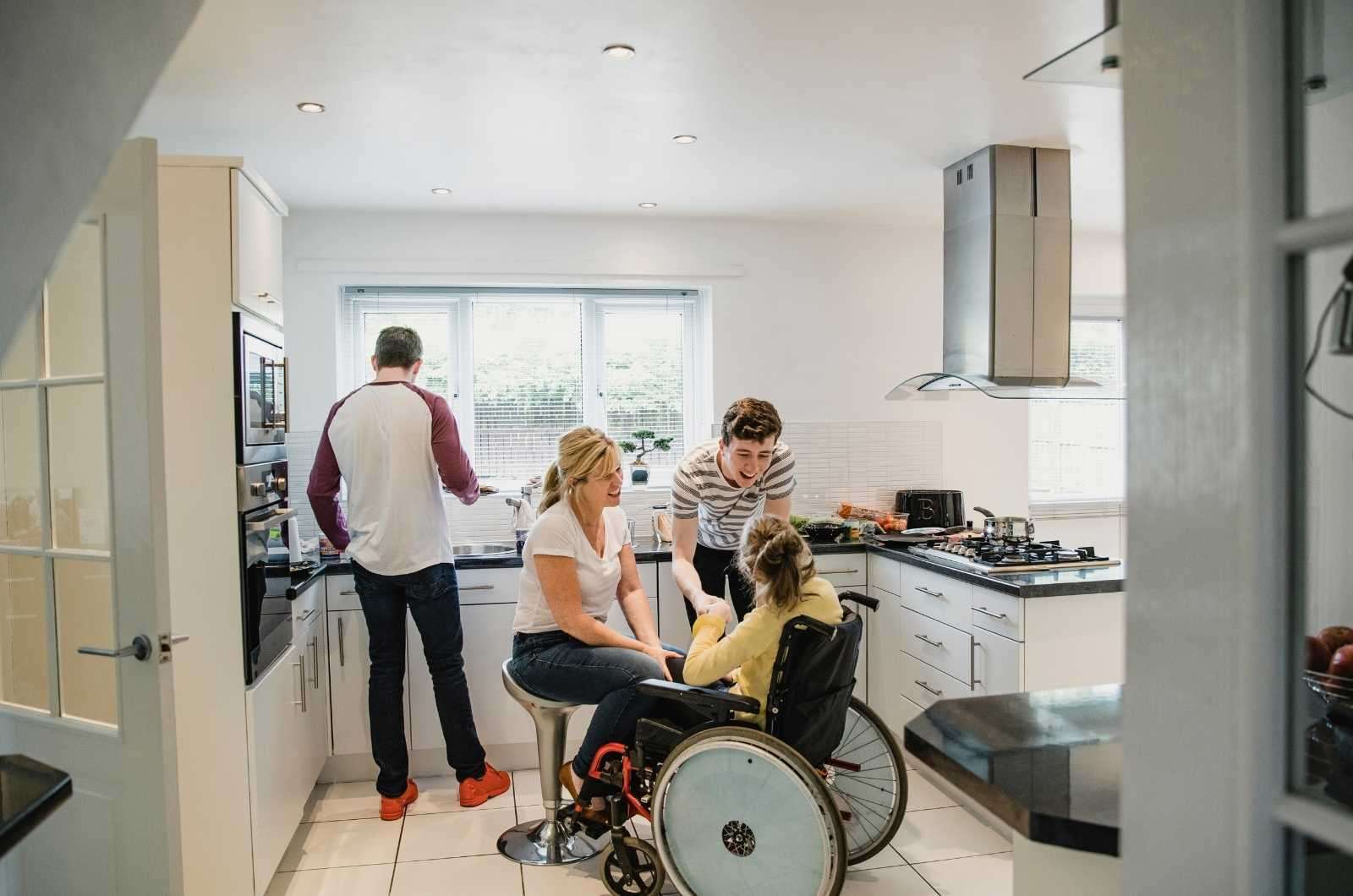
The amount of cleaning support in your plan is determined during your planning meeting or plan review based on your individual needs. No fixed number of hours per week applies to everyone.
Some participants may receive funding for a 2-hour clean once a fortnight. Others with more complex disability-related needs might receive several hours of support each week. The NDIA will consider factors including:
- The nature and severity of your disability
- Your ability to perform cleaning tasks without support
- Whether informal supports, such as help from family members, are already available to you
- The size of the areas of your home that you are responsible for
- Your goals for independent living
It is worth noting that unused Core Supports funding generally does not roll over to your next plan, so if you have been allocated cleaning hours, it is in your interest to use them. If you find your current allocation is insufficient, you can request a plan review.

Choosing the Right NDIS Cleaning Provider
Once you know your plan includes cleaning support, the next step is finding the right provider. Here is what to look for and check before you commit to anyone.
- Registration status. As explained above, your plan type determines whether your provider needs to be NDIS registered. Check the NDIS Commission website to verify if a provider is registered before you sign anything.
- NDIS-compliant invoicing. Your provider must issue invoices that include the correct NDIS support item number (01_020_0120_1_1 for house cleaning), the number of hours worked, the hourly rate, and GST. Invoices that do not include the line item code may cause payment delays. Providers experienced with NDIS, such as Clean4you, usually follow these invoicing requirements closely to avoid issues.
- Travel costs. The NDIS allows providers to charge travel time, particularly in regional and remote areas. In metropolitan areas, up to 30 minutes of travel time is typically allowable, and in regional areas, up to 60 minutes. Some providers also charge a per-kilometre rate for travel, commonly around $1.00 per kilometre. Confirm this before you start, so there are no surprises.
- Minimum booking times. Many NDIS cleaning providers require a minimum booking of 2 hours per session. This is standard practice and helps ensure the work can be completed properly. Factor this into how you plan your cleaning schedule and budget.
- Worker Screening. All workers providing NDIS supports must have a current NDIS Worker Screening clearance. Ask your provider to confirm this is in place for any worker who will enter your home.
- Personalised service. The best providers will work with you to customise the cleaning to your specific needs and preferences, not just run through a standard checklist.
Many participants prefer services that are flexible and adapt to their routine, which is exactly what we focus on at Clean4you through our NDIS Cleaning Services.
A Quick Summary: Is Your Home Cleaning Covered?
To make things easier, here’s a quick breakdown of common situations and whether home cleaning is typically covered under the NDIS based on your individual circumstances.
| Situation | Likely NDIS Outcome |
|---|---|
| You live alone, and your disability prevents you from cleaning | Covered under Core Supports, Household Tasks |
| You live in a share house and cannot clean your own room | Covered for your room and personal spaces only |
| You want cleaning for communal areas, and your housemates can clean | Not covered |
| You need a one-off deep clean due to a disability health episode | Likely covered if linked to disability needs |
| You want cleaning products and supplies bought by NDIS | Not covered (everyday living expense) |
| You need pest control or plumbing as part of home maintenance | Not covered |
| You want someone to do your laundry and change bed linen | Covered under Household Tasks |
| You want gardening done because mobility makes it unsafe | Covered under a separate gardening line item (01_019_0120_1_1) |
What to Do If Your Cleaning Claim Gets Rejected
It does happen. Sometimes a participant requests cleaning support during a planning meeting and walks away without it in their plan. Or a plan review does not result in the hoped-for increase in hours. Here is what you can do.
- Ask for written reasons. The NDIA is required to give you reasons for any decision. Request these in writing so you know specifically what evidence or argument to address.
- Request an internal review. You have the right to ask the NDIA to review its decision. You must do this within 3 months of receiving the decision notice. Submit any new evidence, such as an updated OT report, along with your review request.
- Escalate to the Administrative Review Tribunal (ART). If the internal review decision still does not go your way, you can escalate to the ART for an independent external review. Many participants have had decisions overturned at this level with strong supporting evidence.
Contact your Support Coordinator or an NDIS advocate. Advocacy services in Australia, such as those funded through the Disability Advocacy Network Australia (DANA), can help you understand and exercise your rights.
Putting It All Together
NDIS can fund home cleaning when your disability affects your ability to maintain your home, making it a reasonable and necessary support. It is typically funded under Core Supports Assistance with Daily Living, and for many participants, it plays an important role in maintaining a safe, healthy, and manageable living environment.
To access this support, focus on three key things. Make sure your disability-related needs are clearly documented, provide supporting evidence such as an occupational therapist report if needed, and ensure your provider uses the correct NDIS line item and invoicing. This helps avoid delays and ensures your funding is used properly.
Under the NDIS Pricing Arrangements 2025–26, the standard cleaning rate is $58.03 per hour in metropolitan areas, with higher rates for remote locations. If you are unsure about your current plan, check your myNDIS account or speak with your Support Coordinator to confirm your funding and make the most of your supports.
Frequently Asked Questions

Latest Blogs